Play Cybernetic Seduction
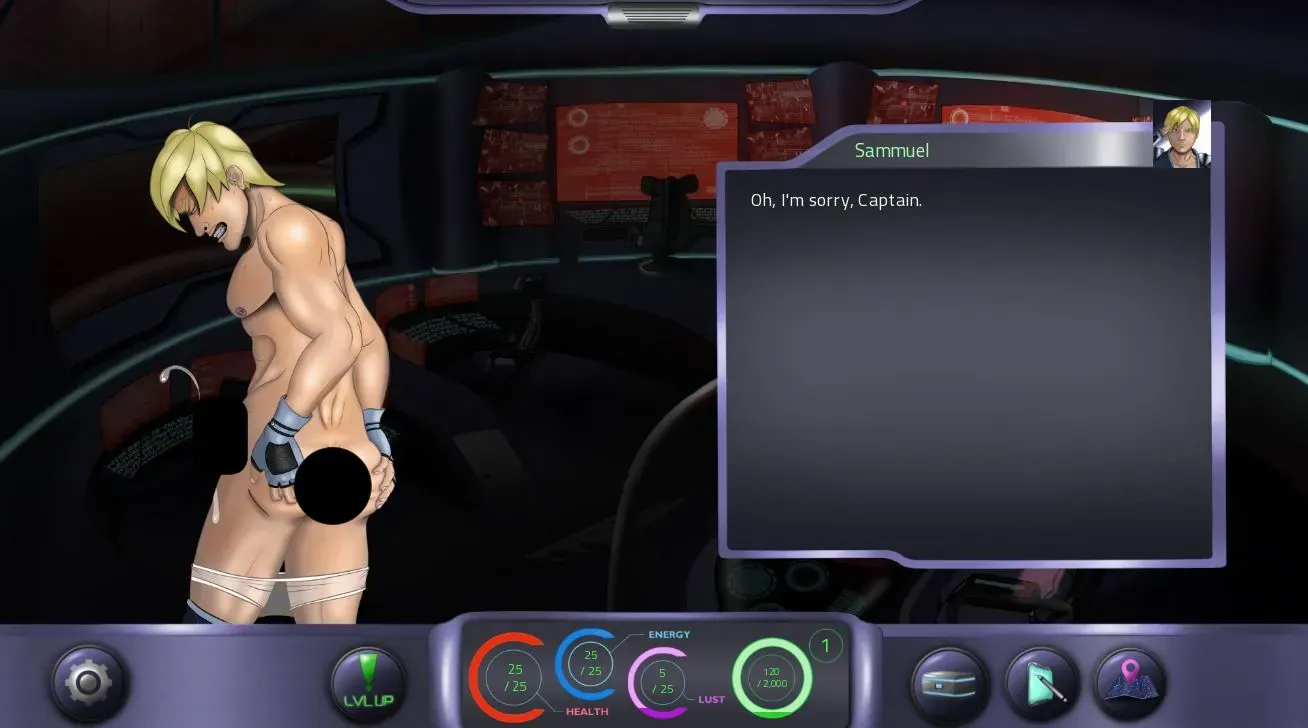
Cybernetic Seduction Screenshots


























Cybernetic Seduction review
Master the choice-driven narrative and unlock all achievements in this futuristic visual novel
Cybernetic Seduction stands out as a choice-driven futuristic visual novel that combines strategic gameplay with an engaging narrative. Players assume the role of a special agent tasked with infiltrating Hector Zhine’s criminal empire through carefully crafted decisions and relationship building. This comprehensive guide explores the game’s core mechanics, story elements, character interactions, and achievement systems. Whether you’re a newcomer looking to understand the game’s fundamentals or an experienced player seeking to maximize your playthrough, this resource covers everything you need to navigate this immersive experience successfully.
Understanding Cybernetic Seduction: Game Overview and Core Mechanics
Picture this: you’re playing a story-driven game, utterly immersed in its futuristic world. A critical moment arrives—a tense dialogue with a key ally. You choose what you think is the perfect, trust-building response. The game moves on, and you assume you’ve cemented a powerful partnership. Hours later, your entire operation falls apart because that character secretly betrayed you. Turns out, your “perfect” choice was seen as naive weakness, not strength. That sting of surprise, that realization your decisions have real, cascading weight—that’s the heart of Cybernetic Seduction.
This isn’t your typical passive storytelling experience. Cybernetic Seduction redefines the choice-driven narrative game by placing you at the center of a precarious criminal underworld. Your mission? Infiltrate the sprawling, high-tech Hector Zhine criminal empire. But here, success isn’t just about picking the right clues; it’s about strategically managing loyalties, emotions, and risk in every single interaction. Forget linear paths—this is a living narrative where every conversation is a potential pivot point, and every ally has their own agenda. Ready to learn how to navigate it? Let’s dive into the game’s core DNA. 🕵️♂️💻
What Makes Cybernetic Seduction Unique in the Visual Novel Genre
At first glance, you might slot Cybernetice Seduction into the broad category of visual novels. It has stunning character art, compelling dialogue, and a story that pulls you in. But boot it up, and you quickly realize it’s playing a different game entirely. While many visual novels offer the illusion of choice, often funneling you back to a few key endings, this title is built from the ground up as a deep, decision-based storytelling simulator.
The classic visual novel often feels like reading a book with occasional diversions. Cybernetic Seduction feels like conducting a high-stakes orchestra where every instrument has a mind of its own. The game seamlessly blends its narrative with strategic Cybernetic Seduction gameplay layers typically found in RPGs or management sims. You’re not just watching a heist unfold; you’re planning it, assigning roles based on whom you’ve cultivated, and sweating through the consequences.
What truly sets it apart is the integration of character relationship building into the core progression loop. In my first playthrough, I focused purely on the mission objectives, treating characters as tools. Big mistake. By the mid-game, my network was fractured, trust was nonexistent, and a crucial heist failed spectacularly because my “team” was working at cross-purposes. The game had quietly been tracking not just if characters liked me, but how they perceived my leadership—as ruthless, empathetic, opportunistic, or reliable. This depth transforms every chat from a simple means to an end into a vital strategic exercise.
To see how these elements stack up against tradition, let’s break it down:
| Feature | Traditional Visual Novel | Cybernetic Seduction |
|---|---|---|
| Player Agency | Often limited to key branch points leading to major endings. | Constant, granular choices that affect immediate reactions, long-term alliances, and mission viability. |
| Relationship Systems | Typically a “affection point” system visible to the player. | Hidden, multi-faceted trust and respect metrics that change based on leadership style and consistency. |
| Core Gameplay Loop | Read, choose, advance the story. | Plan (heists), Interact (build/manage alliances), Execute (missions), Adapt (to consequences). |
| Story Branching | Predetermined branching paths. | Dynamic, organic narrative shaped by cumulative reputation and success/failure states. |
| Additional Mechanics | Minimal; focus on narrative. | Integrated heist planning, resource allocation, and team assignment based on built relationships. |
This fusion creates a uniquely tense and rewarding experience. You’re not just pursuing a story; you’re engineering it through a web of fragile human (and cybernetic) connections. The game’s futuristic game mechanics aren’t just aesthetic—they enable this deep simulation of social dynamics and strategic planning in a world where technology and emotion constantly clash. 🧠⚙️
Core Gameplay Mechanics and Decision Systems
Alright, let’s get practical. How does this all actually work when you’re clicking through the game? The Cybernetic Seduction gameplay is elegantly structured around three pillars: Dialogue Choices, the Relationship Web, and the Heist Planner. Mastering their interplay is the key to surviving Hector Zhine’s world.
The Weight of Every Word
From the very first introduction, your dialogue choices are the primary tool. But forget “good vs. evil” or “nice vs. mean.” The system is far more nuanced. You might have options that are:
* Calculating: Focusing on the mission’s bottom line.
* Empathetic: Addressing a character’s personal fears or history.
* Defiant: Challenging their authority or perspective.
* Cooperative: Emphasizing unity and shared goals.
Here’s the kicker: the “best” choice is entirely contextual. A character who values efficiency might see empathy as a distraction. Another, haunted by past betrayals, might see pure calculation as a red flag. The game doesn’t hold your hand with clear meters. You have to listen, remember personal details, and think about what this specific person needs to hear to either trust you, fear you, or follow you. This is decision-based storytelling at its purest.
🛡️ Pro Tip from a Failed Run: Save often and in different slots! I cannot stress this enough. Sometimes you need to see how a choice plays out over several scenes to understand its true impact. Having a save to rewind to is invaluable for learning the game’s intricate logic.
The Invisible Relationship Web
Beneath the surface, the game is constantly updating a complex map of your standing. This isn’t just about “Hector Zhine criminal empire” lieutenant A liking you more than lieutenant B. It’s about:
* Trust: Do they believe your word?
* Respect: Do they believe in your capability?
* Loyalty: Are they committed to you personally, or just to the mission/money?
These hidden stats directly unlock or lock dialogue options, determine who is available for heists, and influence whether they follow your orders precisely or go rogue. Successful character relationship building means being strategically consistent. If you’ve built a reputation as a ruthless pragmatist, a sudden out-of-character moment of compassion might be seen as manipulative or weak, damaging trust.
Heist Planning: Where Talk Meets Action
This is where your social engineering pays off—or blows up in your face. Missions often culminate in operations against the empire. You’ll enter a planning screen where you must assign roles (hacker, infiltrator, lookout, muscle) from your pool of available allies.
* Each character has affinities for certain roles.
* Their performance is drastically modified by their current relationship stats with you and with other team members you assign.
* Putting two characters with a bitter rivalry on the same team is a recipe for a failed objective, or even sabotage.
This mechanic brilliantly ties the narrative and systems together. That tense conversation you had three chapters ago about someone’s past failure? If you handled it poorly, they might now refuse a critical role or perform it poorly out of lingering resentment. Your Cybernetic Seduction strategy must be holistic. 🤯🎯
Story Structure and Mission Objectives
So, what are you actually doing with all these powerful mechanics? The narrative of this Cybernetic Seduction visual novel is structured like a season of a premium TV thriller, divided into compelling episodes or chapters that each focus on a key objective.
Your overarching goal is clear: infiltrate and undermine the Hector Zhine criminal empire from within. Hector Zhine isn’t a cartoon villain; he’s a formidable, charismatic force, and his empire is a labyrinth of lieutenants, enforcers, and shady deals. The story missions guide you through this world, but they are frameworks, not railroads.
A Typical Story Arc:
1. Intel Gathering: You’re given a target, like disrupting a data auction. This involves a series of character interactions to gather pieces of information. Who do you press for details? A nervous tech specialist who might crack under pressure, or a smooth-talking insider who might trade secrets for future favors?
2. Alliance Formation: With the plan forming, you need a team. This requires leveraging the relationships you’ve built. You might need to call in a favor, promise a future reward, or appeal to someone’s personal grudge against the target.
3. The Heist Execution: The planning and assignment phase we discussed. This is the tangible test of your leadership and social groundwork.
4. Consequences and Fallout: This is where Cybernetic Seduction shines. Success might earn you respect but also draw dangerous attention from higher-ups. Failure might breed distrust, but could also reveal a hidden ally or an unexpected weakness in the empire’s structure. The story doesn’t stop—it dynamically pivots based on the outcome.
The game’s structure, currently available in its compelling Season 1 on Steam, is designed for replayability. Those achievement icons aren’t just for show; they encourage you to try different personas. Play as the unwavering loyalist, the chaotic opportunist, or the compassionate reformer. Each path reveals new story facets, secret alliances, and unique ways to dismantle (or perhaps even join?) the empire.
The tone is a masterful blend of serious, cyberpunk espionage and sharp, character-driven humor. One moment you’re in a life-or-death standoff, the next you’re dealing with a neurotic hacker’s complaint about the quality of the safehouse coffee. This balance makes the world feel lived-in and the characters genuinely memorable, elevating the entire experience beyond a simple thriller.
If you’re a player who craves agency, loves unraveling complex social systems, and wants a narrative where your choices leave a permanent mark, then Cybernetic Seduction is your next obsession. It’s more than a visual novel—it’s a strategic narrative playground where every word is a weapon, every relationship is an asset, and the fate of a criminal empire rests on your ability to master the delicate art of cybernetic seduction. 🏙️✨ Your first move is just a click away.
Cybernetic Seduction delivers a compelling experience that combines strategic decision-making with an engaging narrative set in a futuristic criminal underworld. The game’s strength lies in its choice-driven structure, where player decisions meaningfully impact relationships, story progression, and available endings. By understanding the core mechanics, planning your decisions strategically, and approaching achievement hunting methodically, you can fully experience everything this visual novel offers. Whether you’re drawn to the espionage elements, character interactions, or the challenge of uncovering all story branches, Cybernetic Seduction rewards careful attention to narrative details and thoughtful decision-making. Start your first playthrough with an open mind, then return for additional playthroughs to explore alternative paths and unlock the complete achievement set.