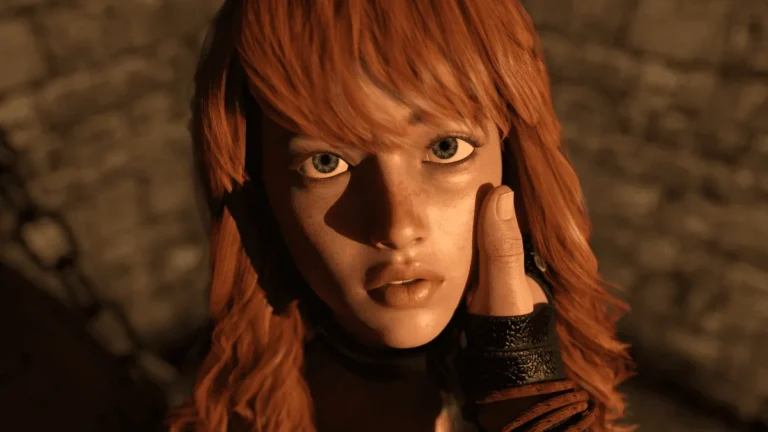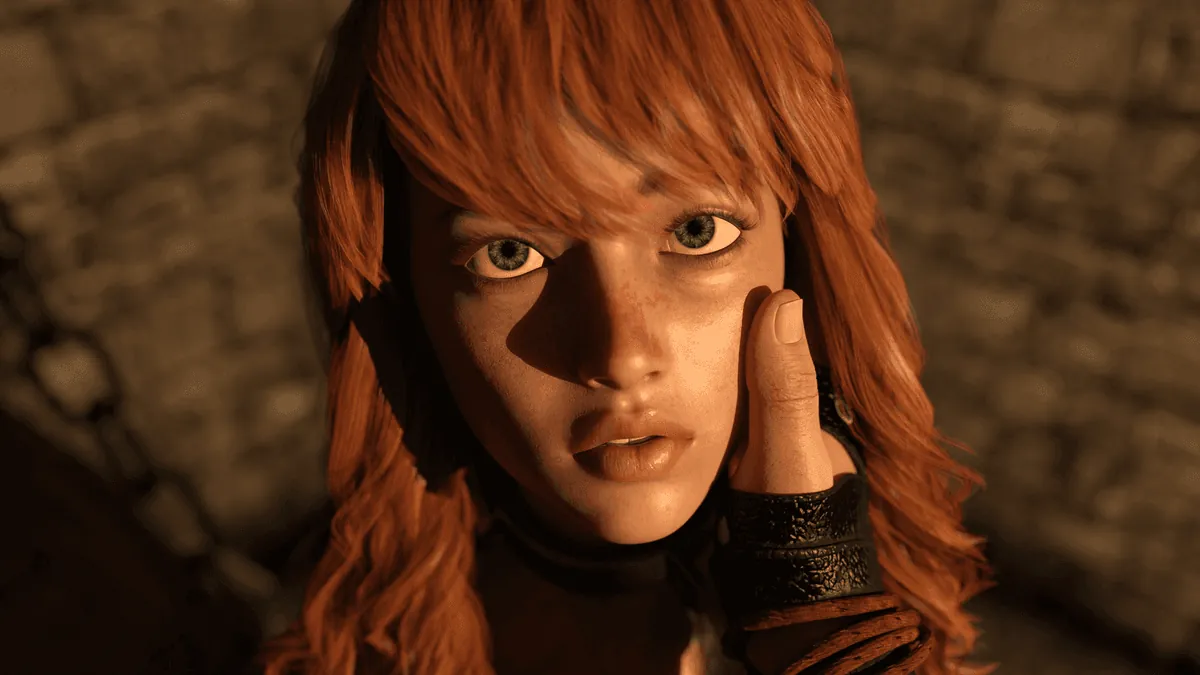
Desert Stalker
Play Desert Stalker
Desert Stalker Screenshots
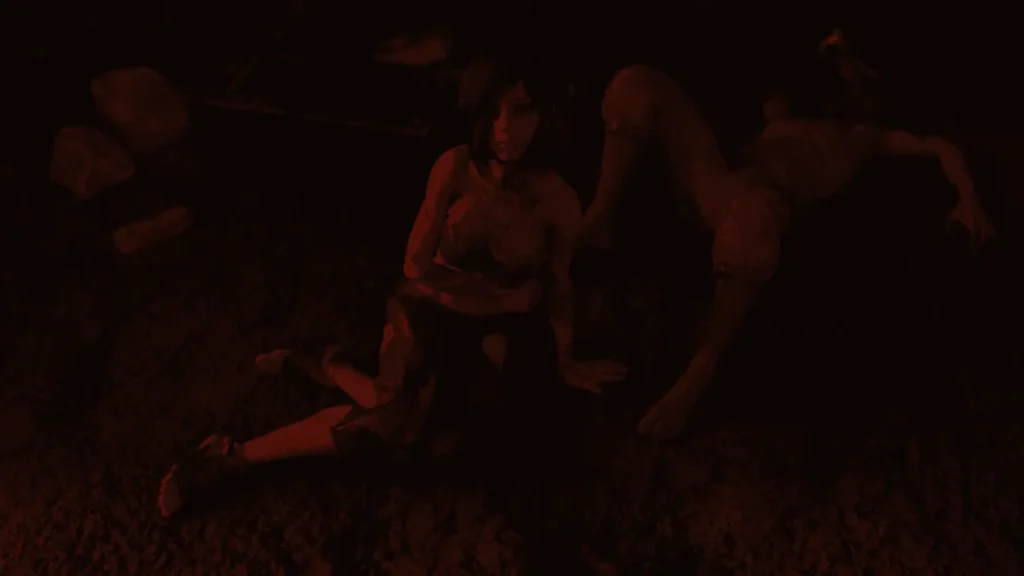


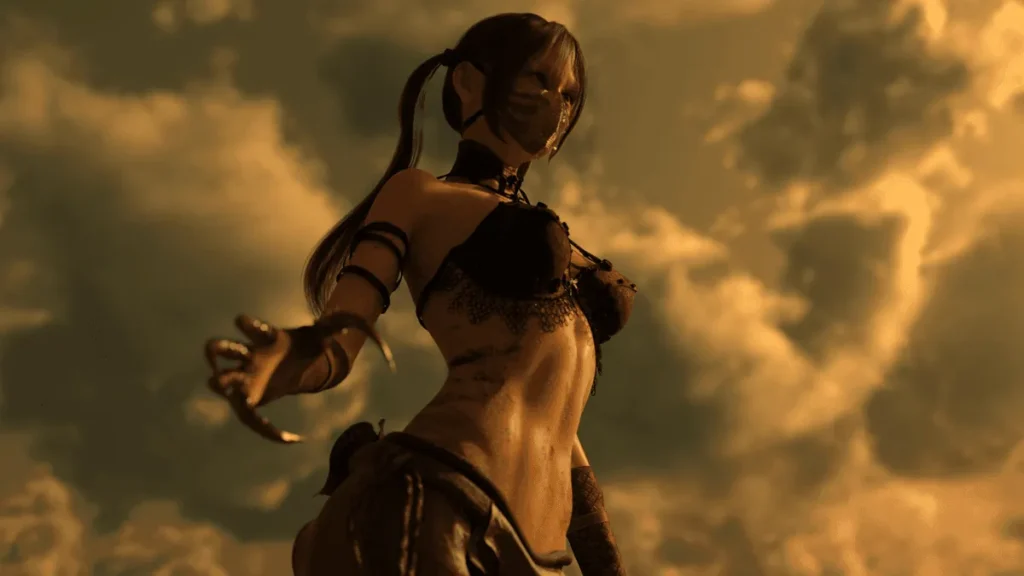
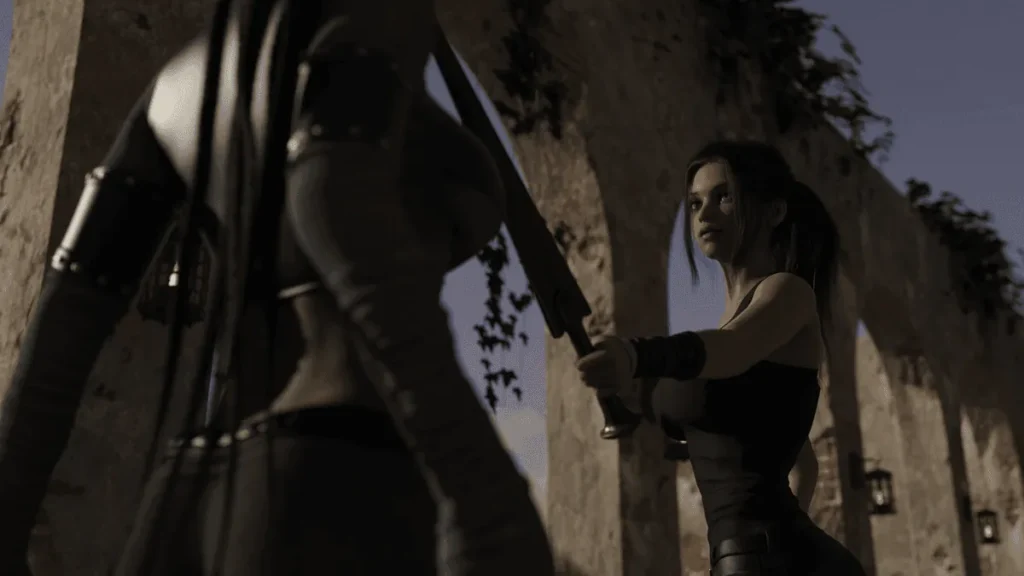

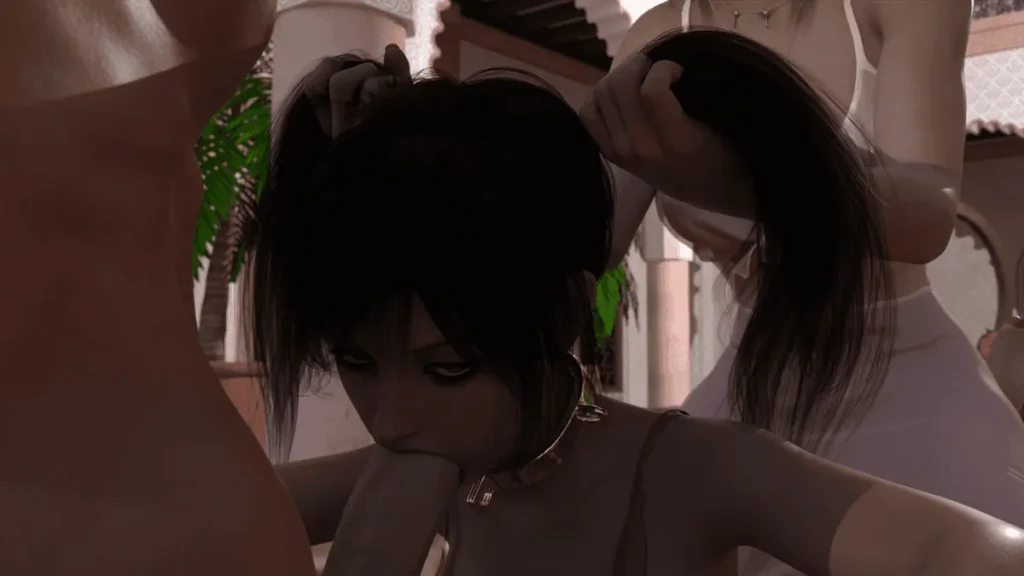
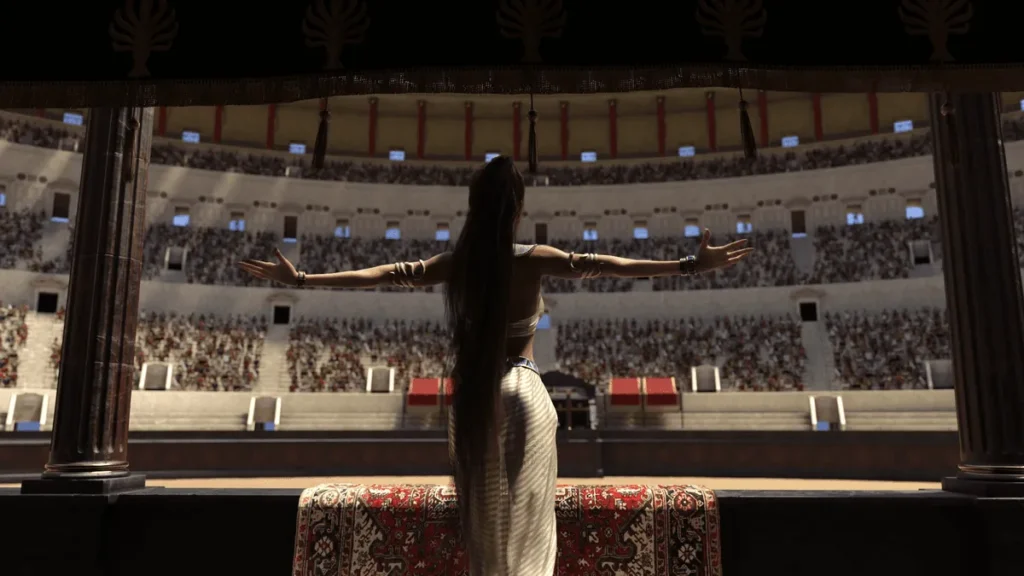
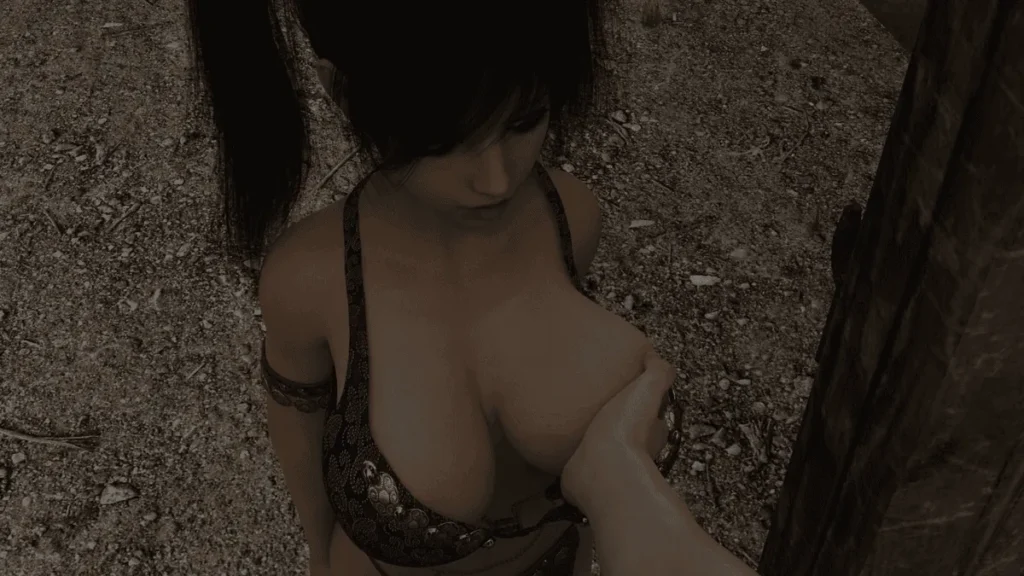
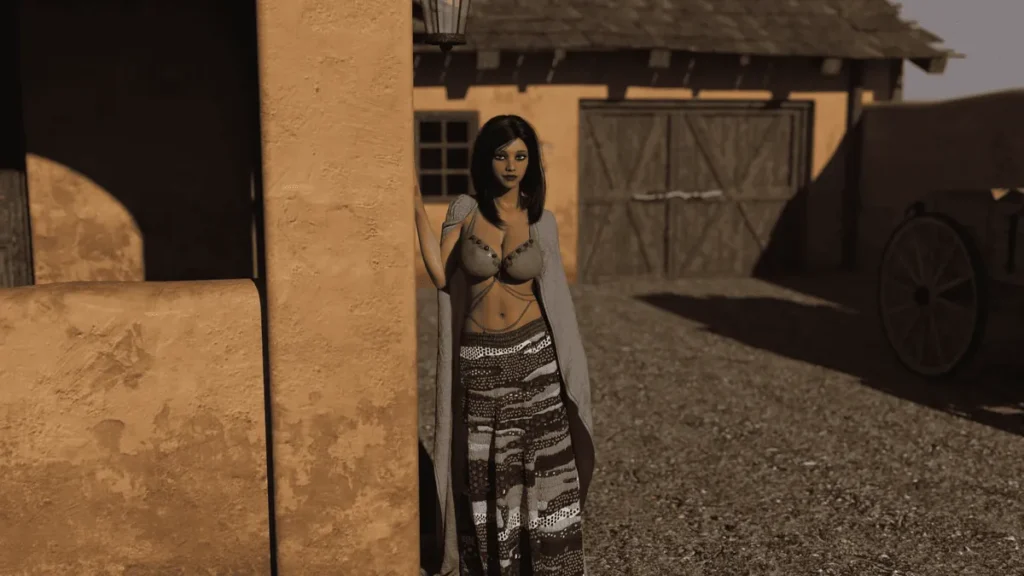

Desert Stalker review
Deep dive into the Desert Stalker adult visual novel — mechanics, story choices, and player tips
Desert Stalker is an adult visual novel set in a gritty post-apocalyptic desert world; this guide unpacks its narrative, gameplay systems, and player-driven choices to help you plan a satisfying playthrough. Whether you want to explore branching storylines, manage content filters, or optimize romances and quest outcomes, this article puts the most useful insights and practical tips up front to save you time and frustration.
Getting Started: Story, Setting, and Core Systems
So, you’ve heard the whispers about a brutal, captivating world of sand and secrets, and now you’re standing at the edge of the dunes, wondering what you’re getting into. I was exactly there a few months ago. I remember firing up Desert Stalker for the first time, the screen glowing with a washed-out, sun-bleached panorama of a ruined city. The atmosphere hit me immediately—a strange mix of quiet dread and tantalizing mystery. I had no idea that a simple choice to explore a crumbling market stall would spiral into a tense standoff that shaped my entire playthrough. That’s the magic of this game. This Desert Stalker overview is your canteen and compass before you step into the wasteland. Let’s break down what this world is, how you survive in it, and how to tailor the journey to your taste. 🏜️
What Desert Stalker is and who makes it
At its heart, Desert Stalker is an adult visual novel Desert Stalker fanatics rave about, but that label only scratches the surface. Yes, it has the branching narratives and relationship-building you’d expect, but it’s wrapped in a uniquely gritty post-apocalyptic package. You play as a Stalker, a skilled scavenger and survivor navigating a shattered world decades after a cataclysmic event known as “The Great Destruction.” Your mission isn’t just to survive, but to provide for your family by tracking down valuable pre-collapse relics, all while navigating the complex, often dangerous social dynamics of the last human settlements.
The world is a character in itself. Imagine a blend of Fallout’s retro-future aesthetic and Mad Max’s vehicular anarchy, but with a deeply personal, character-driven story. You’ll deal with fortified towns, nomadic raiders, and the ever-present, mysterious threat lurking in the deep desert.
This rich world comes to us from a dedicated solo developer or small team, with Desert Stalker developer itch.io being the primary home for early builds and updates. The project has cultivated a passionate following, with discussions and community support flourishing on platforms like Steam. This development approach means you’re often experiencing the game as it evolves; new chapters add depth, characters, and sometimes rework older scenes. It’s a living project, which makes getting invested even more exciting. For any Desert Stalker overview, acknowledging this direct developer-to-player pipeline is key—it’s a passion project you can feel in every line of code and art asset.
Core gameplay loop and systems
Don’t let the “visual novel” tag fool you into thinking it’s just clicking through text. The Desert Stalker systems create a surprisingly engaging and interactive gameplay loop. The core gameplay loop Desert Stalker employs is a masterful cycle of tension, reward, and consequence.
Here’s how a typical session flows:
1. Hub & Preparation: You start in a central hub, often your home or a main settlement. Here, you can talk to family and key characters, manage your inventory, and get a sense of available quests. This is your calm before the storm.
2. Exploration & Quest Selection: You then choose a location to explore or a task to undertake from your journal. This might be a scavenging run to a radioactive ruin, a diplomatic visit to a neighboring faction, or investigating a distress signal. These are your primary adventures.
3. The Journey: This is where free-roam elements often shine. You might navigate a point-and-click environment, searching for interactive items, clues, or hidden resources. It’s not an open world, but it gives you agency within a defined space.
4. Narrative & Choice Crucible: You’ll encounter people, situations, and dilemmas. The game presents you with meaningful choices that affect immediate outcomes, shift character relationships, and branch the story long-term. Do you share scarce water with a stranger? Do you use force or persuasion to get what you need? Do you pursue a romantic or tactical alliance?
5. Consequence & Reward: Your choices update relationship meters (often hidden), unlock or lock future story paths, and yield rewards—be it crucial supplies, new story information, or intimate scenes. Then, you return to the hub, the loop begins anew, and the world state has subtly (or dramatically) changed.
The systems supporting this loop are what give Desert Stalker its depth. To help you keep them straight, here’s a breakdown:
| System | What It Does | Pro Player Tip |
|---|---|---|
| Exploration (Free-roam) | Allows you to investigate environments for items, secrets, and optional interactions that flesh out the world. | Click everywhere! Many essential resources or lore bits are hidden in plain sight on background objects. |
| Quests & Journal | Your main story and side objectives are tracked here. They provide direction and often multiple ways to conclude. | Check your journal after every major scene. New objectives or clues can appear based on conversations you’ve had. |
| Relationship Meters | Invisible gauges track your standing with every major character. Your choices raise or lower affinity, unlocking different dialogues and paths. | Consistency is key. If you want to build trust with a character, align your choices with their personality and values. |
| Content Filters | A defining feature. These are toggles that allow you to customize the intensity of adult and violent content in your game. | Don’t be afraid to adjust these mid-game if a scene surprises you. The settings are there for your comfort. |
Mastering these interconnected Desert Stalker systems is the key to crafting your own unique story in the wasteland. It’s less about “winning” and more about steering your personal narrative through a landscape full of danger and desire. 💀✨
Content filters and how they affect scenes
This is arguably one of the most player-friendly and important Desert Stalker systems. The developers understand that players dive into this world for different reasons: some are here for the hardcore survival narrative, some for the intricate character relationships, and others for the adult content. The brilliant content filters Desert Stalker provides let you calibrate the experience to exactly what you want.
You’re presented with these options, often in a clear menu, right at the start (and they’re accessible in the settings later). They’re not just on/off switches; they’re nuanced toggles that reshape the narrative experience.
- The Gore/Horror Toggle: This is a big one. The wasteland is a brutal place. With this filter ON, the game may tone down or replace especially violent or grotesque visual and descriptive content. With it OFF, you get the full, unfiltered intensity of the world’s dangers. My first playthrough had it off, and let me tell you, certain encounters carry a much heavier, more visceral weight.
- The Intimacy/Adult Content Toggle: This directly affects the game’s explicit scenes. Disabling it doesn’t remove romantic or relationship-building storylines—those still progress with tension and payoff—but it will typically fade to black or use more implied descriptions when a scene becomes explicitly adult.
- Other Narrative Switches: Some versions or paths may include other options, like choosing to play as a different character for certain sequences, which can offer fresh perspectives on events.
Here’s the crucial part: How do these content filters Desert Stalker uses actually change the game? It’s more than just skipping a scene.
- Scene Availability: Some narrative branches or specific scenes may only become available (or be presented differently) based on your filter settings. A relationship might develop through tense dialogue alone with filters on, or it might include an explicit scene with them off. The story beat often remains, but the presentation changes.
- Character Perception: Your perception of characters can shift. A character might seem more strategically cunning in a “filters on” playthrough, whereas with them off, their motivations might feel more raw and physically driven.
- Pacing & Tone: Disabling certain filters can make the game feel darker and more visceral. Enabling them can sometimes make the narrative feel more focused on the political and survival drama.
My practical, actionable advice? On your very first boot-up, I strongly recommend starting with the default or “all filters on” setting. This gives you the developer’s baseline tone. Experience the core story, learn the world, and understand the characters. Then, on a future replay (and you will want to replay to see different choices), start flipping those switches. See how the atmosphere transforms. It’s like experiencing two different, yet coherent, cuts of the same amazing film. 🎬
Your First Session Checklist:
* Save Often, Save Separately: This is non-negotiable. Use multiple save slots before any major decision. The branching is real, and you’ll want to revisit key forks.
* Comfort First: Use the content filters Desert Stalker offers without any guilt. Tailor the experience to what you find engaging. There’s no “wrong” way to play.
* Talk to Everyone: In the hub areas, exhaust dialogue options. World-building and crucial quest triggers are hidden in conversations.
* Embrace the Loop: Get into the rhythm of hub -> quest -> exploration -> consequence -> hub. Let the tension build and release.
My first session’s impression was one of deep immersion, slightly uncomfortable tension, and a burning curiosity to see more. The art style, the haunting music, and the weight of the choices pulled me in completely. Remember, with games like this on platforms like the Desert Stalker developer itch.io page, updates happen. Scenes get polished, writing gets tightened, and new paths open. Your journey through the dunes will be uniquely yours, shaped by your choices, your comfort, and your curiosity. Now, go on. Your family’s waiting, and the desert is full of secrets to uncover. 🔍
Desert Stalker offers a layered adult visual novel experience that rewards exploration, careful choice-making, and deliberate relationship management; by understanding the game’s systems, using content filters to match your comfort, and employing a disciplined save strategy you can unlock multiple satisfying routes. Engage with the community for tips and keep backups before updating to protect progress. If you enjoyed this guide, try applying the checklist and save-plan suggestions in your next playthrough, and share your findings with the community to help other players.