
Deviant Anomalies
Play Deviant Anomalies
Deviant Anomalies Screenshots
























Deviant Anomalies review
Master every quest, case, and character interaction in this mystery-driven adventure
Deviant Anomalies is a narrative-driven mystery game that challenges players to investigate cases, recruit characters, and navigate complex relationship dynamics. Whether you’re stuck on a specific quest or looking to optimize your playthrough, understanding the game’s mechanics and progression systems is essential. This guide covers everything from initial trait selection through advanced character recruitment strategies, helping you unlock all content and achieve your desired outcomes. Learn how to manage resources effectively, complete investigations thoroughly, and maximize your interactions with each character.
Getting Started: Game Mechanics and Progression Systems
Welcome, detective. 🕵️♂️ You’ve just stepped into the rain-slicked, neon-drenched world of Deviant Anomalies, a game where every choice ripples through its complex narrative. It’s incredibly rewarding, but I’ll be honest—on my first run, I hit a wall before the first major case even wrapped up. I was broke, my traits were all wrong for the conversation checks I faced, and I had no idea how to structure my days. Sound familiar? Don’t worry. This guide is here to ensure you master the foundational Deviant Anomalies game mechanics from day one, turning that initial frustration into a seamless and powerful investigation.
This chapter breaks down everything you need to build a solid foundation: making permanent choices with traits, managing your wallet, and understanding the flow of time and quests. Let’s get you from confused rookie to master investigator.
Understanding Trait Selection and Character Customization
Your first major decision—and arguably the most impactful one in the entire game—is your trait selection. This isn’t just a starting stat boost; it’s a permanent lens that shapes how you solve problems, interact with characters, and unlock unique story paths. Think of it as choosing your detective’s core philosophy. My first mistake was picking a trait that sounded cool (“Analytical”) without considering how I actually wanted to play. I ended up missing out on some fantastic, empathy-driven character moments that required a different approach.
Your chosen trait opens specific dialogue options, grants passive bonuses to certain actions, and can even alter how a case concludes. A “Charming” detective might talk their way into a secure area, while a “Brute” might find a… more physical alternative. The quest progression system is deeply tied to this choice, as many story branches are locked behind trait-specific checks.
So, how do you choose? Consider your playstyle. Do you want to be a silver-tongued negotiator, a perceptive observer, or an intimidating presence? Here’s a breakdown to help with your trait selection guide:
| Trait | Primary Gameplay Impact | Best For Players Who… |
|---|---|---|
| Charming | Unlocks persuasive dialogue options, reduces shop prices, improves rapport gain with certain characters. | Enjoy social gameplay and talking their way through obstacles. |
| Analytical | Reveals hidden clues in investigation scenes, provides bonus information in conversations, helps solve puzzles faster. | Love piecing together mysteries and finding every last detail. |
| Empathetic | Grants unique insights into character motivations, unlocks compassionate solutions, can calm tense situations. | Are invested in character-driven stories and emotional role-play. |
| Brute | Provides physical intimidation options, allows access to areas by force, gives an edge in certain dangerous scenarios. | Prefer direct, action-oriented solutions to problems. |
| Observer | Highlights interactive elements easily, increases chance to find hidden resources, improves navigation speed. | Want to miss nothing and optimize their resource gathering. |
Remember, this is a permanent choice. There’s no respec option! These character customization tips are about defining your detective’s identity. Pair your trait with your character’s background story in your mind for a more immersive experience. 🎭
Managing Resources and Money in Early Game
Let’s talk about the lifeblood of your investigation: cash. Poor money management in Deviant Anomalies is the number one reason players get stuck. Early on, you’ll need money for everything—rent, leads, tools, and bribing informants. I remember staring at a locked door in the Bar, needing a 50-credit “donation” to the bartender for a key clue, and being 30 credits short. I had to waste three in-game days just grinding to afford it, which felt awful.
The game operates on a tight daily budget. You earn a small stipend from your agency, but it’s never enough. This is where proactive resource grinding strategies become essential. The most reliable early-game method is using the computer in your MC’s room. It’s not glamorous, but it’s consistent.
Pro Tip: Your room is your financial headquarters. Before you chase any exciting lead, spend your first action of the day here to secure your baseline funds.
Here is your step-by-step checklist for early-game financial stability:
* Log in daily: Always check your room PC first. Look for “Quick Hustle” or “Data Sorting” tasks. They cost a few hours of in-game time but provide steady credits.
* Prioritize rent: Set aside credits for your weekly rent immediately. Getting evicted adds massive penalties and halts progress.
* Fund the “Case Fund”: After rent, dedicate a portion of earnings to a separate mental fund for investigation costs (e.g., buying information, travel fees).
* Limit impulse spending: That shiny new tool in the back-alley shop can wait. Only purchase items when they are directly required for an active case or a known upcoming check.
* Reinvest in efficiency: Your first major purchase should be a tool or a permanent upgrade from your PC work that increases your credit yield per action.
This disciplined approach to money management in Deviant Anomalies ensures you’ll never hit a progress-blocking resource bottleneck. You’ll always have the funds to pursue leads when they’re hot, which is crucial for the quest progression system. 💰
Navigation and Quest Structure Explained
Understanding how to navigate Deviant Anomalies and its multi-layered quest log is the final piece of the puzzle. The game world is structured around a “hub-and-spoke” model with a day-by-day progression system. Each day, you have a limited number of actions (often 2-3 major ones), and you must choose how to spend them between earning money, building relationships, and advancing cases.
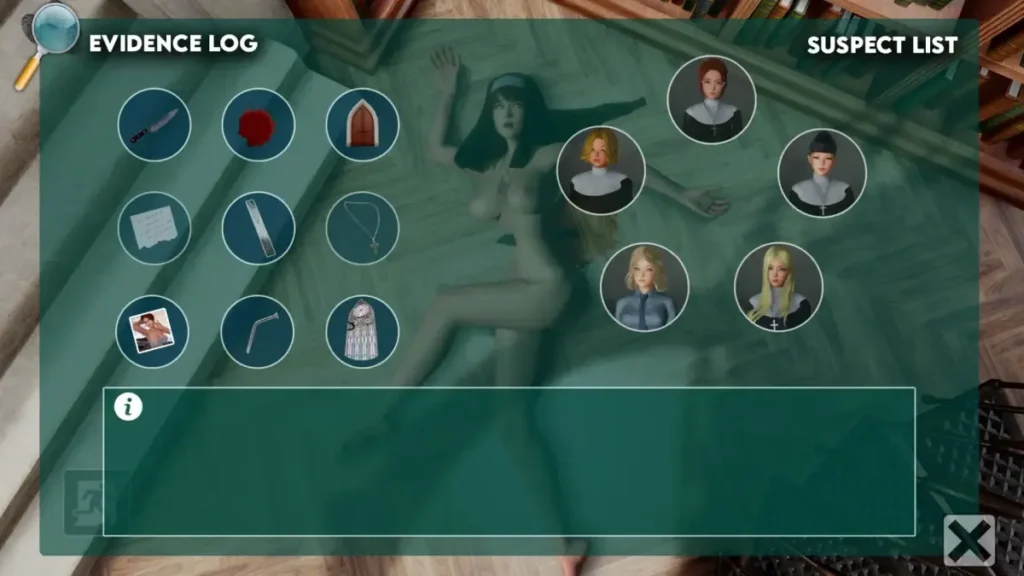
Your journal will typically hold several active objectives at once: a main Case file, personal Character Quests, and sometimes side jobs. The beautiful part of the Deviant Anomalies game mechanics here is that these often overlap. You can pursue multiple threads simultaneously. For instance, visiting the Bar might let you progress a main case clue and trigger a character interaction for a personal quest.
Let’s walk through a typical day with a practical case study:
1. Morning (Action 1): Start in your Room. Use the PC for a “Quick Hustle” to earn 50 credits. This is non-negotiable for your resource grinding strategies.
2. Afternoon (Action 2): Travel to the Bar. You’re here for two reasons: to meet an informant for your main case (progressing the core story) and to buy a drink for Kael, which advances his personal character quest.
3. Evening (Action 3): Travel to an Apartment complex for an investigation site. Use your “Analytical” trait to find a hidden clue the informant mentioned.
This efficient loop handles money, a main quest, and a character quest all in one day. The key is location efficiency. Always ask, “Can I do more than one thing here?”
The quest progression system is often gated by both resources and time. Some quests require you to wait a day for a contact to get back to you, or for lab results to process. Use these waiting periods strategically to grind resources or work on other quests. Never just skip to the next day!
Finally, how to navigate Deviant Anomalies successfully means mastering the map. Unlocking fast travel between major hubs like your Agency, the Bar, and the Central Apartments is a priority. It saves precious action points that are better spent on actual investigation rather than commuting.
By combining smart trait selection, rigorous money management, and efficient daily navigation, you build a powerful momentum. You’ll unlock character quests faster by having the funds to engage with them, and you’ll solve cases efficiently by aligning your traits with the challenges. This is the core loop that transforms the game from a struggle into a deeply satisfying detective simulation. Now, go out there and crack your first case wide open. 🔍 The city’s mysteries won’t solve themselves.
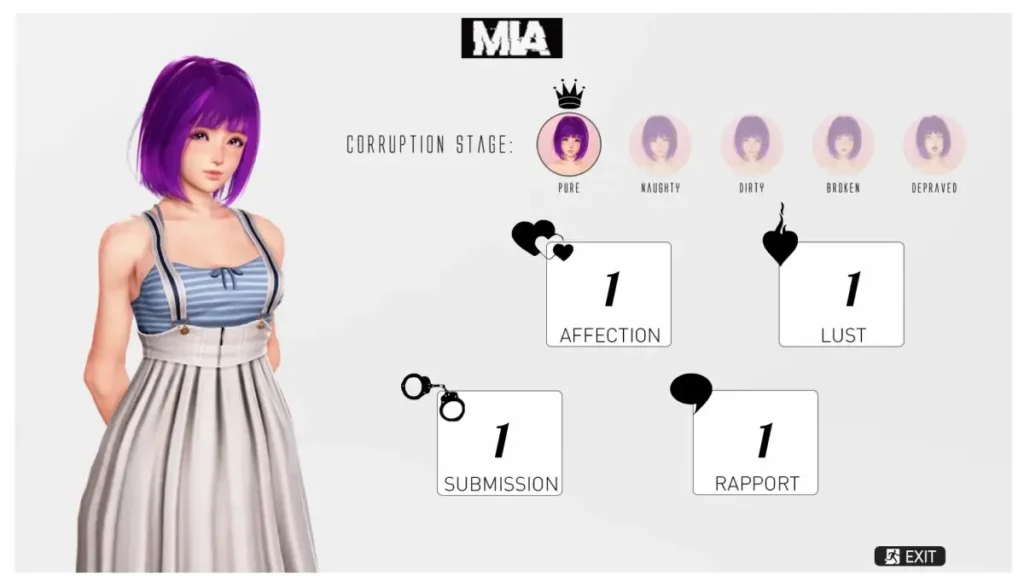
Deviant Anomalies offers a rich experience combining mystery investigation with character-driven storytelling. Success in the game requires balancing resource management, strategic dialogue choices, and careful stat progression across multiple character relationships. By understanding the investigation mechanics, following character quest sequences in the proper order, and managing your stats wisely, you can unlock all available content and experience the full narrative. Whether you’re pursuing specific character relationships or aiming to complete every quest, this guide provides the roadmap you need. Take your time exploring each interaction, exhaust dialogue options to uncover hidden story details, and don’t hesitate to revisit earlier quests as you unlock new content. Your choices matter in shaping the story’s outcome, so approach each decision thoughtfully and enjoy the journey through this complex, engaging game.