
Guardians of Eden Screenshots


Guardians of Eden review
Complete overview of the tower defense gameplay mechanics and features
Guardians of Eden: Embrace of the Forest is a unique tower defense experience that combines strategic gameplay with fantasy elements. This guide explores the core mechanics of defending humanity’s last sanctuary while managing character needs and resources. Whether you’re new to tower defense games or looking to master advanced strategies, understanding the fundamental systems will enhance your gaming experience. Learn how to effectively balance defense mechanics with character management in this engaging strategy title.
Understanding Guardians of Eden Gameplay Mechanics
Welcome, fellow protector! 🛡️ If you’ve just arrived at the sanctuary and feel a mix of excitement and “what have I gotten myself into?”, you’re in the right place. I remember my first attempt at defending the Grove; I placed all my towers at the front, ignored my characters’ grumbling stomachs, and watched helplessly as the final wave stomped through my neglected backline. It was a lesson learned the hard way! Guardians of Eden: Embrace of the Forest isn’t just about placing towers and watching the action. It’s a deep, engaging character management game layered onto a classic tower defense strategy foundation. This chapter is your blueprint to mastering its unique rhythm. We’ll break down everything from the core Guardians of Eden gameplay mechanics to the nuanced resource management tower defense requires, ensuring you’re ready to become a true Guardian.
Core Tower Defense Systems in Guardians of Eden 🏹
At its heart, the primary tower defense strategy in Guardians of Eden involves protecting the Heart of the Grove from waves of corrupted creatures. But calling it a simple tower defense game would be like calling a forest “a bunch of trees”—it misses the entire ecosystem! The Guardians of Eden gameplay mechanics introduce a living, breathing sanctuary you must nurture alongside your defenses.
The core loop is beautifully tense: you have a period of peace to build, forage, and tend to your companions, followed by a wave of assault where your planning is put to the test. Your arsenal isn’t just static towers; it’s an extension of the forest itself and the skills of your characters. You might deploy Thorn Barricades to slow enemies, assign a companion with a bow to a sniper’s perch, or call upon ancient floral spirits to unleash area-of-effect pollen bursts.
Pro Tip from a Hard Lesson: Don’t fall in love with one type of tower! Early on, I relied solely on high-damage single-target attacks. A swarm of smaller, faster enemies later made me regret not investing in area-control options. A balanced defense is a surviving defense.
Understanding your tools is the first step in any solid how to play tower defense games guide. Below is a breakdown of the primary defense categories you’ll be working with. Think of this as your tactical field guide.
| Defense Type | Primary Strength | Key Weakness | Optimal Usage Scenario |
|---|---|---|---|
| Thorn Barricade | Cost-effective slowing; blocks paths | Very low damage; can be destroyed | Creating funnels and choke points; buying time for your damage towers. |
| Sylvan Archer Platform | Reliable, long-range single-target damage | Ineffective against armored foes; low attack speed | Picking off high-priority targets like healers or ranged corrupters from a safe distance. |
| Brambleburst Pod | Excellent area-of-effect (AoE) splash damage | Short range; friendly fire possible | Clusters of weak enemies; placed where paths converge or after a slow effect. |
| Ancient Guardian Spirit | Powerful magical damage; ignores armor | High resource cost; long cooldown period | Boss waves or dealing with heavily armored units that other defenses struggle against. |
| Luminous Wisps | Reveals and damages hidden/invisible enemies | Fragile; very niche use | Specific waves where stealth units are announced; essential counter-play. |
This table is your cheat sheet for defense positioning tactics. Notice how each defense has a clear role? Your wave-based combat strategy will involve reading the enemy composition before the wave hits and building a roster of defenses that counter it. Placing a Brambleburst Pod right behind a Thorn Barricade is a classic combo—the barricade groups them up, and the pod cleans them up! 🎯
Character Management and Resource Allocation 🌱
This is where Guardians of Eden truly blossoms and separates itself from the pack. Your characters—Lia, Kael, and the others—aren’t just avatars; they are your most vital resource. This character management game layer means your tower defense strategy is directly tied to their well-being. A hungry, tired guardian is a ineffective guardian.
Resource management tower defense here has two streams: the traditional one (essence for building towers, gold for upgrades) and the human one (food, rest, morale). You gather berries, hunt, and cook meals. You build shelters and ensure characters get sleep. Ignore this, and you’ll see the consequences: slower repair speeds, inaccurate attacks, and even refusals to act during a critical wave. I learned this after Kael, my best builder, sat down for a nap in the middle of a wave because I’d worked him through two nights straight. We lost that grove.
The synergy is profound:
* A well-fed character assigned to a Sylvan Archer Platform will have increased attack speed.
* A rested character gathering resources will bring back more essence and food.
* High morale, boosted by decorating the sanctuary or completing personal quests, can provide temporary global buffs, like cheaper tower costs.
Your resource management tower defense priority list should look something like this in the early game:
1. Secure Basic Sustenance: Your first peace period should always be used to establish a small food source and a shelter. This stabilizes your team’s efficiency.
2. Build a Core Defense Line: Use your initial essence to set up a basic, balanced defensive array (e.g., 1 Barricade, 1 Archer, 1 AoE tower) at the first major choke point.
3. Invest in Resource Growth: Before expanding defenses wildly, invest in a second forager or a better tool to increase your essence and food income. This “investment phase” pays dividends later.
4. Upgrade, Don’t Just Multiply: Often, upgrading an existing tower is more resource-efficient than building a new one. Check upgrade paths that might add a slow effect or armor piercing.
Balancing the immediate threat of the next wave with the long-term needs of your community is the ultimate tower defense strategy test in Guardians of Eden. It’s a constant, engaging juggling act that makes victory feel earned.
Strategic Defense Positioning and Wave Management 🌊
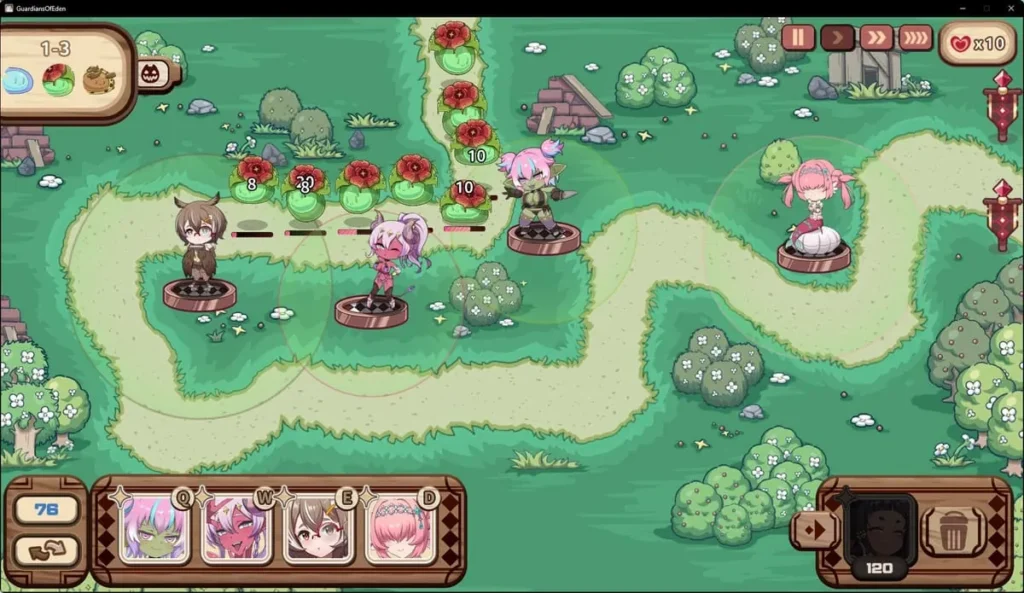
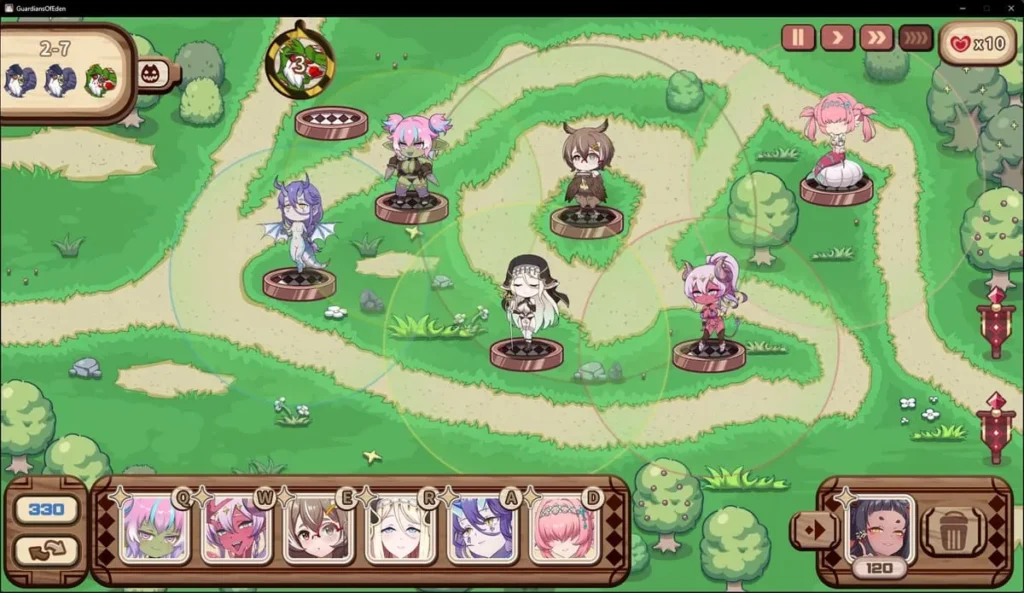
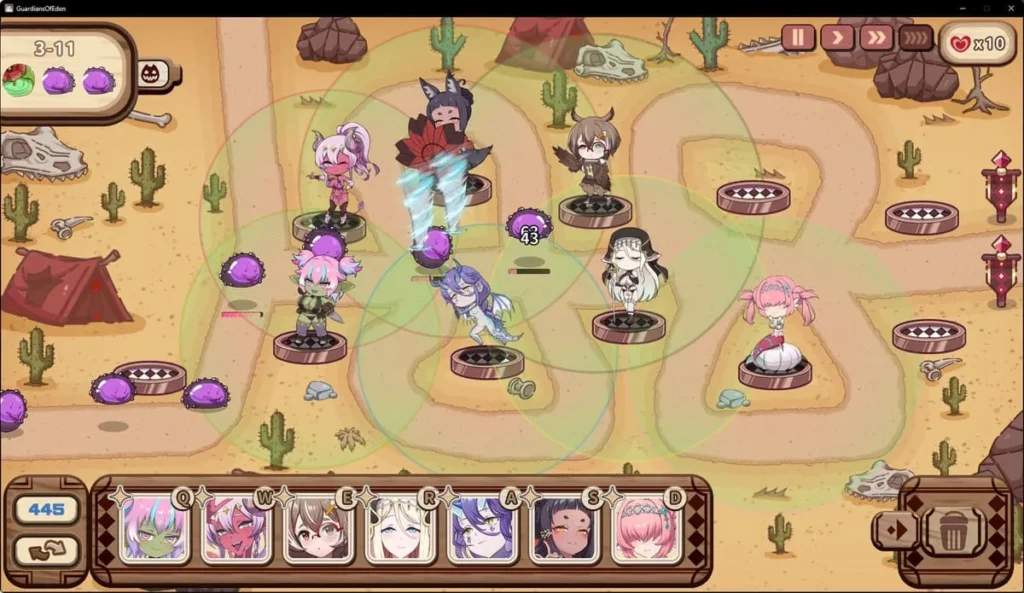
You have your towers, and your characters are happy. Now, where do you put everything? This is where theory meets practice, and your defense positioning tactics make or break a run. The map in Guardians of Eden is not a blank slate; it’s a terrain full of opportunities. Use it!
Key Positioning Principles:
* Create Kill Zones: Never let enemies walk in a straight line. Use Thorn Barricades to bend the path into a “U” or “S” shape, forcing enemies to spend more time in the range of your damage towers. This is defense positioning tactics 101.
* Mind the Range Circles: Always toggle the visual range indicators. A tower placed just behind a curve can often cover more of the winding path than one placed right at the bend.
* Layer Your Defenses: Your front line should be slowing and tanking. Your middle line should be your main damage dealers. Keep fragile but powerful towers (like Ancient Spirits) at the back. This layered approach is central to a resilient wave-based combat strategy.
* High Ground is King: Some platforms offer elevation bonuses. Placing ranged towers here can give them a critical range increase.
Now, let’s talk about the wave-based combat strategy. Waves aren’t random; they follow a predictable escalation pattern with announced compositions. The game tells you, “Next wave contains armored beetles,” or “Swift shadow creatures incoming.” This is your prep time! 🕒
- Against Swarms: Prioritize area-of-effect towers like the Brambleburst Pod. Slowing effects are also invaluable to keep them clustered.
- Against Armored Foes: Single-target, high-damage or magic-based towers are key. This is where your Sylvan Archers (if upgraded) or Ancient Spirits earn their keep.
- Against Bosses: These are endurance tests. Ensure your kill zone is long, with multiple layers of slowing and sustained damage. Having a character with a repair skill ready to fix barricades mid-fight is crucial.
Managing the wave itself is also active. You’re not a passive observer. You might need to manually direct a character to repair a critical barricade, use a rare consumable ability to freeze a tough enemy, or even temporarily reposition a guardian to a more threatened lane. This active how to play tower defense games style keeps you on your toes and deeply engaged in every encounter.
Progression and Unlocks: As you successfully defend groves, you’ll earn experience and rare materials. These allow you to permanently unlock new tower types, character skills, and sanctuary upgrades. Perhaps you’ll unlock a vine trap that roots enemies in place, or a new meal recipe that greatly boosts morale. This progression system means your Guardians of Eden gameplay mechanics toolbox expands, allowing for more creative and powerful strategies in later, more challenging stages.
Frequently Asked Questions (FAQ)
Q: I’m always running out of Essence early on. What should I prioritize building?
A: This is the most common hurdle! Your absolute first priority should be a basic food source (foraging camp) and then a single, multi-role defense tower (like an Archer Platform) at the first choke point. Then, immediately build a second character to forage for Essence. Don’t spend all your starting Essence on defenses—you need a steady income. Resource management tower defense starts with economy.Q: In terms of character management game priorities, what’s more important: food or shelter?
A: Food is the immediate need. A hungry character’s efficiency drops fast. Build a basic shelter (lean-to) very soon after, but you can often forage for a meal or two before your characters get critically tired. Think: Food for the first day, Shelter before the first night.Q: How do I know where the enemies will come from?
A: Paths are subtly indicated by glowing corruption on the ground during the build phase. Always scout the entire map. Sometimes, a path might branch or a new spawn point might open in later waves, so never commit 100% of your defenses to the very front.Q: Is it better to have many weak towers or a few upgraded ones?
A: Early on, a few well-placed and upgraded towers are superior. One Level 2 Brambleburst Pod is often better than two Level 1 pods, due to cost efficiency and space. Once your economy is strong and the paths are long, you can fill in the gaps with more towers.
Mastering Guardians of Eden is a journey of learning its symbiotic rhythms. It’s about seeing the sanctuary not just as a battlefield, but as a home to defend and a community to grow. By weaving together robust defense positioning tactics, mindful wave-based combat strategy, and compassionate character management, you’ll do more than just survive the waves—you’ll help Eden thrive. Now, go forth, Guardian. Your forest awaits
Guardians of Eden: Embrace of the Forest offers a distinctive blend of tower defense strategy and character-driven gameplay that sets it apart in the genre. By mastering the balance between defending your sanctuary and managing character needs, you’ll unlock the full potential of this engaging experience. The game rewards both strategic thinking and resource planning, making each playthrough a unique challenge. Start with the fundamentals covered in this guide, experiment with different defense configurations, and gradually develop your own winning strategies. Dive into the game and discover why this tower defense title has captured the attention of strategy enthusiasts.