
How to Fix the Future
Play How to Fix the Future
How to Fix the Future Screenshots


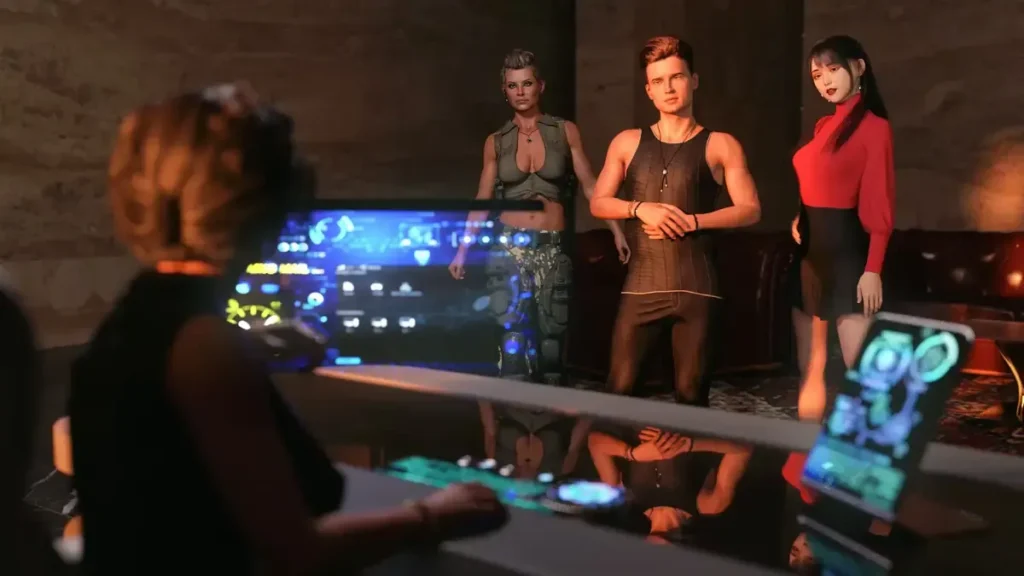
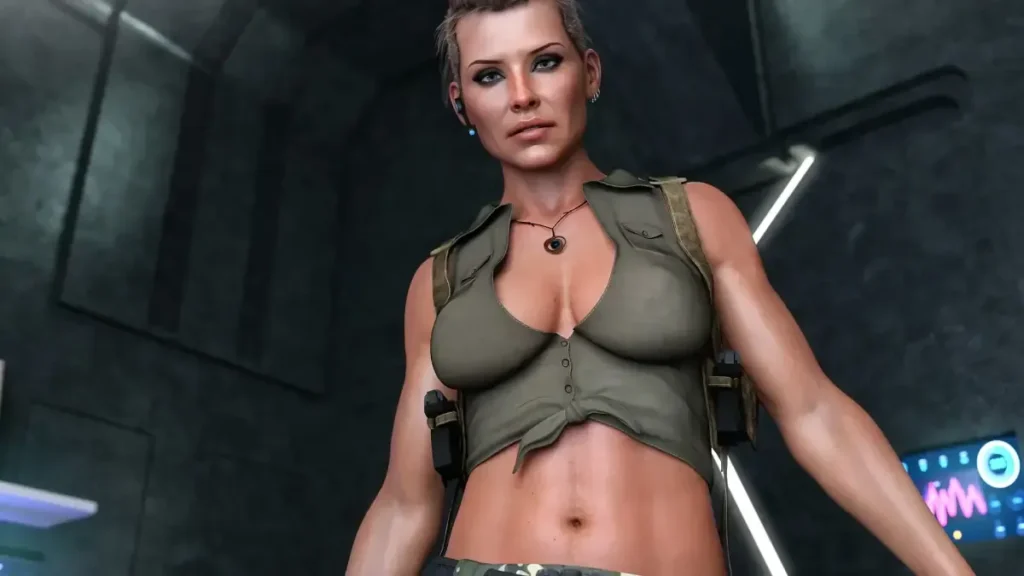












How to Fix the Future review
Master the narrative choices, character relationships, and gameplay mechanics in this sci-fi visual novel
How to Fix the Future stands out as a narrative-driven visual novel that combines engaging storytelling with meaningful player choices. This game challenges you to navigate complex character relationships, make critical decisions that shape the timeline, and uncover the mysteries of a dystopian future. Whether you’re new to the game or looking to optimize your playthrough, this comprehensive guide covers everything you need to know about mastering How to Fix the Future. From understanding the core mechanics to unlocking all story branches, we’ll walk you through the essential elements that make this game compelling.
Understanding the Core Gameplay Mechanics
Ever loaded up a visual novel, made what you thought was a harmless joke, only to have your favorite character despise you for the rest of the story? 😅 I’ve been there. For years, I played these games feeling like my choices were mere illusions, leading me down a single, predetermined path. That’s why How to Fix the Future felt like a revelation. This isn’t a story you just read; it’s a narrative machine you operate, where every single dialogue selection and action sends ripples through time, relationships, and ultimately, the fate of its sci-fi world. Understanding its gameplay mechanics is the key to truly mastering its story.
At its heart, How to Fix the Future is a masterclass in the choice-based narrative visual novel genre. It takes the promise of “your choices matter” and builds its entire world around it. Forget about good or bad endings; here, you’re engineering nuanced outcomes based on trust, logic, and empathy. To help you get started, here’s a quick checklist of the core systems you’ll need to master:
- The Choice Engine: Every dialogue and action is a data point logged by the game’s internal tracking system.
- Relationship Variables: Key characters have hidden “Trust” and “Alignment” scores that shift with your decisions.
- The Timeline Fabric: Your choices don’t just open or close doors; they actively reweave the sequence of future events.
- The Cascade Principle: A small, early decision can unlock or eliminate major story beats hours later.
- The Truth System: Information is power, and what you choose to reveal or conceal permanently alters character knowledge states.
Grasping these interconnected systems is your first step toward going from a passive reader to an active architect of this compelling story.
How Choice-Based Narrative Systems Work
The magic of How to Fix the Future doesn’t lie in having hundreds of meaningless choices, but in having dozens of deeply consequential ones. The visual novel decision system here is less like a branching tree and more like a neural network. Each choice feeds into a complex web of narrative logic that determines what scenes you see, what information becomes available, and how characters perceive you.
Think of it this way: the game is constantly running a hidden diagnostic on your playthrough. It’s checking variables like:
* Does Chloe trust me enough to share her secret research?
* Have I demonstrated a pragmatic or idealistic approach to problems?
* Which faction’s goals have I inadvertently advanced?
These variables aren’t just for show. They directly gate your progress. You might find that a crucial piece of evidence in Chapter 5 is completely inaccessible because you brushed off a seemingly minor character’s concern in Chapter 2. This cause-and-effect design is what makes replaying How to Fix the Future so rewarding. You’re not just clicking through different dialogue; you’re experiencing a fundamentally different story structure.
The key is to abandon the mindset of looking for the “correct” choice. Instead, think about the character you want to be in this world. Are you a diplomat seeking unity, a pragmatist focused on survival, or a rebel challenging the status quo? The game’s choice-based narrative systems will reflect and reinforce your role, shaping the world’s response to you in turn. This is the core of the How to Fix the Future gameplay mechanics—it’s a dialogue between your intent and the game’s rigorous narrative simulation.
Managing Character Relationships and Dialogue Trees
If the narrative system is the brain of the game, then the character relationship system is its beating heart. Your connections with characters like the brilliant but guarded Chloe, or the enigmatic Station Director, aren’t managed by a simple “like/dislike” meter. Instead, relationships are built on two pillars: Trust and Philosophical Alignment.
Trust determines how much a character will share with you, whether they’ll support you in a crisis, or if they’ll follow your lead. It’s earned through consistent actions, keeping promises, and showing genuine empathy in dialogue tree choices.
Philosophical Alignment is more abstract. It’s about whether your approach to the game’s central crises—ethical dilemmas about AI, societal control, and sacrifice—resonates with theirs. You can have high trust with a character but be completely misaligned philosophically, leading to tense, compelling partnerships full of friction and respect.
Here’s how this plays out in a typical dialogue tree with Chloe early on:
- Option A (Empathetic): “That sounds incredibly difficult. You shouldn’t have had to carry that alone.” → Increases Trust, aligns with her desire for partnership.
- Option B (Pragmatic): “Understood. How does that data affect our current mission parameters?” → Slight Trust increase, aligns with her scientific side, but may miss emotional connection.
- Option C (Dismissive): “We all have past trauma. We need to focus on the now.” → Decreases Trust, creates philosophical distance.
This isn’t just about picking the “nice” option. Sometimes, in a high-stakes argument, choosing the blunt, pragmatic option might increase Alignment with a character who values results over feelings, even if it temporarily dings Trust. The dialogue tree choices are your primary tools for sculpting these dynamic relationships.
To visualize the impact, consider this breakdown of key relationship triggers:
| Character | Key Trust Moment (Chapter 2) | High Alignment Choice | Potential Consequence |
|---|---|---|---|
| Chloe | Sharing her concerns about the AI core’s stability. | Offering to review her research data together. | Unlocks a unique tech path later; she may share vital warnings earlier. |
| The Director | Asking for your assessment of a security breach. | Presenting a solution that prioritizes station order over individual freedom. | Grants higher-level security clearances, but may alienate other crew members. |
| Kai (Engineer) | Confessing a technical error they covered up. | Focusing on fixing the problem rather than assigning blame. | Gains a loyal ally who will provide “off-the-books” engineering support in crises. |
👆 See how it works? Every major interaction is a calibration of your bonds. A comprehensive How to Fix the Future walkthrough won’t just tell you what to pick; it will explain why a choice affects the character relationship system the way it does. My personal tip? On your first playthrough, don’t try to game the system. Be genuine. The most fascinating stories often come from the imperfect, human connections you build along the way.
Navigating the Timeline and Story Branches
This is where How to Fix the Future separates itself from the pack. Your decisions don’t just affect relationships; they physically alter the narrative timeline. The game features a brilliant visual novel decision system that allows for story branches and endings that aren’t just cosmetic. Major branches represent entirely different sequences of events, character availability, and available solutions to the game’s central mysteries.
The game’s timeline isn’t linear. Think of it as a river with distributaries. A single, seemingly inconsequential choice can divert the entire flow of your story into a new channel. There’s no “Chapter 3” that is identical for every player. There’s “Your Chapter 3,” which is built from the cumulative data of your previous actions.
Let’s look at a real example from my playthroughs. In Chapter 1, you have a casual icebreaker with Chloe. One option is to ask about her family back on Earth (Personal), another is to comment on her impressive work efficiency (Professional).
- In Playthrough 1, I chose Personal. This established an early emotional rapport. Later, in Chapter 4, when Chloe was stressed and making risky calculations, I had a unique, unlocked dialogue option: “Remember what you said about your sister? Be careful, for her.” This de-escalated the situation, kept her focused, and allowed us to discover a peaceful solution to an impending systems failure—a branch I’ll call the “Collaborative Resolution.”
- In Playthrough 2, I chose Professional. Our relationship remained cordial but distant. In that same Chapter 4 crisis, the personal option was gone. I could only urge her logically (“Your calculations are off by 0.5%”). She dismissed my input, the system failed, and we entered a completely different branch—the “Crisis Management” path—which involved containing a reactor breach and losing access to a whole section of the station for two chapters.
A single, early dialogue tree choice cascaded into a total narrative divergence. This is the How to Fix the Future gameplay mechanics at their most potent. The game remembers everything.
To successfully explore the rich variety of story branches and endings, you need a strategic approach. Here’s a piece of actionable advice: the game’s most significant branches often sprout from decisions made under pressure in Chapters 2 and 4. These are the “keystone” moments. When you hit a major dilemma with a timer running down, know that you’re not just choosing an outcome for that scene—you’re selecting the next major act of your story.
| Timeline Checkpoint | Common Branching Decision | Short-Term Result | Long-Term Branching Effect |
|---|---|---|---|
| End of Chapter 2 | Who do you support in the leadership dispute? | Gain an ally, make an enemy. | Determines which faction’s missions and intelligence you receive in the mid-game. |
| Mid Chapter 4 Crisis | Do you sacrifice a non-critical system to save data, or risk the data to keep all systems online? | Immediate resource gain or loss. | Locks out entire research trees (e.g., AI Communication or Advanced Defense) for the remainder of the game. |
| Chapter 6 Confrontation | How do you reveal the truth you’ve discovered? | Characters react with shock, anger, or gratitude. | This is the final major branch point, directly funneling you into one of the game’s several core endings, from a united front to a fractured exile. |
🎯 Understanding this structure is crucial for any How to Fix the Future walkthrough. You’re not just collecting choices; you’re navigating a living narrative organism. To see the full spectrum of story branches and endings, I recommend a two-playthrough minimum: one where you follow your gut, and one where you deliberately make opposing choices at these key junctures. The differences aren’t just in the ending slides; they’re in the journey itself.
Mastering How to Fix the Future means embracing its philosophy: you are the author. Its gameplay mechanics—the nuanced character relationship system, the punishingly honest dialogue tree choices, and the brilliantly designed visual novel decision system that weaves story branches and endings—are all tools placed in your hands. Don’t be afraid to make “mistakes.” In this game, there are no wrong choices, only different futures to fix, explore, and ultimately, understand. Your unique timeline awaits.
How to Fix the Future delivers a compelling experience that rewards careful attention to narrative details and character relationships. By understanding the game’s choice-based mechanics, investing time in character development, and exploring the rich story world, you’ll unlock the full potential of this engaging visual novel. Whether you’re pursuing specific character routes, seeking particular endings, or simply enjoying the narrative journey, the strategies and insights covered in this guide will enhance your playthrough. Take your time with dialogue choices, pay attention to character reactions, and don’t hesitate to replay sections to explore alternative paths. The beauty of How to Fix the Future lies in its multiple narratives waiting to be discovered—each playthrough offers new perspectives and outcomes that deepen your appreciation for the game’s intricate storytelling.