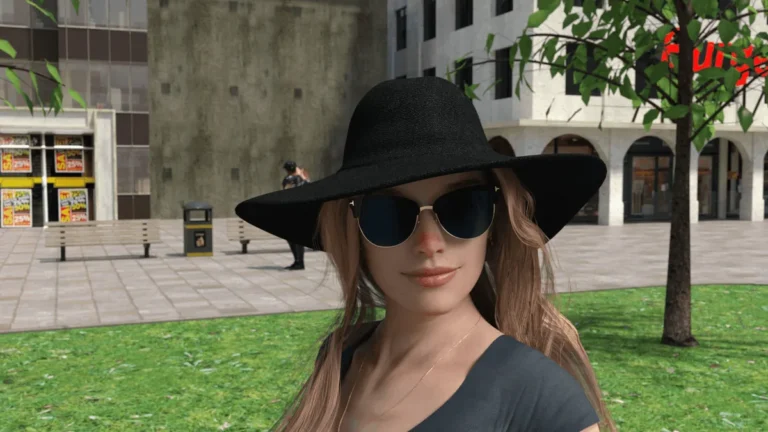
Isabella – Chasing Shadows
Play Isabella – Chasing Shadows
Isabella – Chasing Shadows Screenshots




















Isabella – Chasing Shadows review
Explore the immersive world and key features of Isabella – Chasing Shadows
Isabella – Chasing Shadows is a captivating interactive game that blends storytelling with engaging gameplay. This article dives into the core aspects of Isabella – Chasing Shadows, highlighting its unique narrative, character development, and gameplay elements. Whether you’re curious about the game’s plot or want practical insights on how to navigate its challenges, this guide offers a comprehensive look at what makes Isabella – Chasing Shadows stand out.
Exploring the Story and Characters of Isabella – Chasing Shadows
Ever feel like you’re just going through the motions in a game, watching a story play out on rails? 😴 I know I have. That’s why the first time I booted up Isabella – Chasing Shadows, I was completely floored. This isn’t just a game you play; it’s a haunting, personal mystery you live. At its heart, the Isabella Chasing Shadows story is a masterclass in how to weave player agency into a compelling narrative, making every decision feel like it carries the weight of the world.
Let’s pull back the curtain on this immersive experience and explore the shadows together. ✨
What is the central plot of Isabella – Chasing Shadows?
You step into the worn-out shoes of Isabella, a brilliant but troubled photojournalist returning to her fog-shrouded hometown of Blackwater. She’s not coming back for a happy reunion. 😔 A series of cryptic letters, seemingly from her childhood friend Leo—who vanished a decade ago—has drawn her into a waking nightmare. The town is a character in itself, dripping with gothic atmosphere and buried secrets that whisper from every rain-slicked street and decaying mansion.
The core of the Isabella Chasing Shadows story is a dual investigation: one into the present-day disappearances now plaguing Blackwater, and a much more painful one into Isabella’s own fragmented past. 🕵️♀️ As you explore, you’ll use Isabella’s camera not just to document clues, but to literally see fragments of lost memories and hidden truths in the environment. This mechanic brilliantly ties the gameplay directly to the plot. Is Leo a victim, a perpetrator, or something else entirely? The answers are tangled in a web of local folklore, family legacies, and a sinister presence known only as “The Watcher.”
This isn’t a simple good vs. evil tale. It’s a deeply psychological journey where the line between reality, memory, and supernatural horror is constantly blurred. Your goal isn’t just to solve a mystery, but to help Isabella find peace—or perhaps, uncover a truth she may wish she’d left buried. The Isabella protagonist journey is defined by this relentless, personal pursuit, making every discovery hit with profound emotional force.
Who are the main characters and their roles?
The soul of this game lies in its beautifully flawed cast. The Isabella game characters are not mere plot devices; they feel like real people with hidden motives, deep scars, and evolving relationships that depend entirely on you.
| Character | Role & Connection to Isabella | Key Motivations |
|---|---|---|
| Isabella | The protagonist, a photojournalist haunted by her past. | To find Leo, uncover the truth about her childhood, and escape the shadows of her guilt. |
| Leo | Isabella’s missing childhood friend. The catalyst for the entire story. | Unknown. His intentions and fate are the central mystery, shaped by your investigation. |
| Detective Monroe | A weary local detective investigating the new disappearances. | To protect the town and solve the case, but is suspicious of Isabella’s sudden return. |
| Eleanor Vance | Isabella’s reclusive grandmother, keeper of family secrets. | To protect Isabella from a dangerous truth, even if it means lying to her. |
| The Watcher | A mysterious entity tied to Blackwater’s folklore. | An ambiguous force that seems to react to Isabella’s presence and choices. |
The character development Isabella game delivers is directly tied to your interactions. For instance, Detective Monroe can become a valuable ally who shares critical evidence, or a stubborn obstacle who has you arrested for interference, all based on your tone and actions in early conversations. Eleanor’s stern exterior can slowly crack to reveal a tragic, protective love, but only if you choose to be patient and compassionate rather than accusatory.
This depth ensures that every conversation is meaningful. You’re not just gathering information; you’re building (or burning) bridges that will determine who stands with you when the shadows close in. 👥
How does the narrative unfold through player choices?
Here’s where Isabella – Chasing Shadows truly shines. The interactive narrative Isabella employs is its defining feature. Forget binary “good/evil” sliders. This game uses a subtle, complex system where your Isabella Chasing Shadows plot choices influence character trust, narrative paths, and even the metaphysical rules of the world itself.
The game tracks your behavior: Are you empathetic or ruthless in your questioning? Do you seek peaceful resolution or confront threats head-on? Do you trust the supernatural signs, or cling to rational evidence? These patterns open or close entire story branches. One playthrough might see you forging a pact with ancient forces, while another might have you using pure journalistic grit to expose a very human conspiracy.
Personal Insight: In my first playthrough, I was so focused on finding Leo quickly that I bullied information out of townsfolk. This made the community, and Monroe, turn against me. I solved the mystery, but I was alone and despised at the end—a hollow victory. The second time, I took time to help people with their own problems. This built a network of allies who came to my aid in the final act, offering a completely different, more hopeful resolution. The gameplay story impact was staggering.
Example of a key player choice affecting the storyline:
Midway through the game, you find Leo’s hidden journal, which points a damning finger at a respected town elder. You also have a chance to destroy it.
- Choice A: Confront the Elder Publicly. You present the evidence to the town. This exposes a corrupt lineage but triggers a violent, chaotic backlash. The elder’s family becomes hostile, and you lose access to a key area of town. The mystery becomes about survival and retaliation.
- Choice B: Use the Journal for Private Leverage. You quietly blackmail the elder for more information. This unlocks secret lore about The Watcher and gains you a powerful, if unwilling, informant. The story morphs into a tense political thriller within the horror.
- Choice C: Destroy the Journal. You decide this path is too destructive. This act of mercy is witnessed by another character, massively boosting their trust and leading them to share a crucial, magical artifact later. The narrative leans harder into the supernatural and themes of forgiveness.
This single decision doesn’t just change a line of dialogue; it reroutes the entire middle act of the story. This is the power of the interactive narrative Isabella is built upon. The Isabella protagonist journey becomes your journey. Every clue you find, every person you befriend or betray, and every truth you choose to embrace or ignore directly crafts the haunting tale you will uncover. You’re not just chasing shadows—you’re deciding what they reveal. 🌌
Isabella – Chasing Shadows offers a rich, immersive experience where storytelling and player interaction combine to create a unique journey. Understanding its plot, characters, and gameplay mechanics enhances appreciation and enjoyment. Whether you’re a newcomer or returning player, exploring the depths of Isabella’s world promises engaging moments and meaningful choices. Dive in and discover the shadows waiting to be chased.