The Theater of Sinners
Play The Theater of Sinners
The Theater of Sinners Screenshots
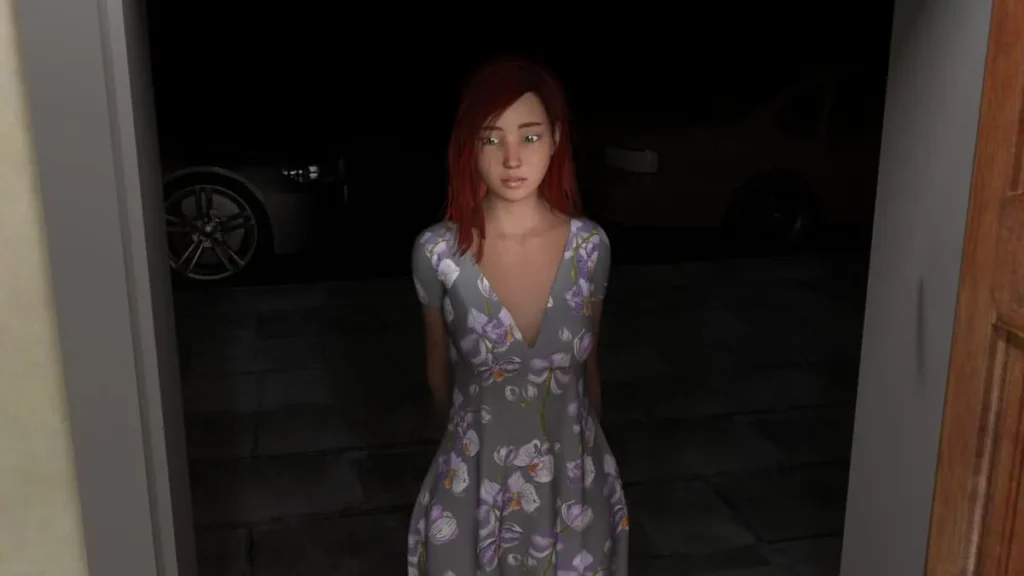
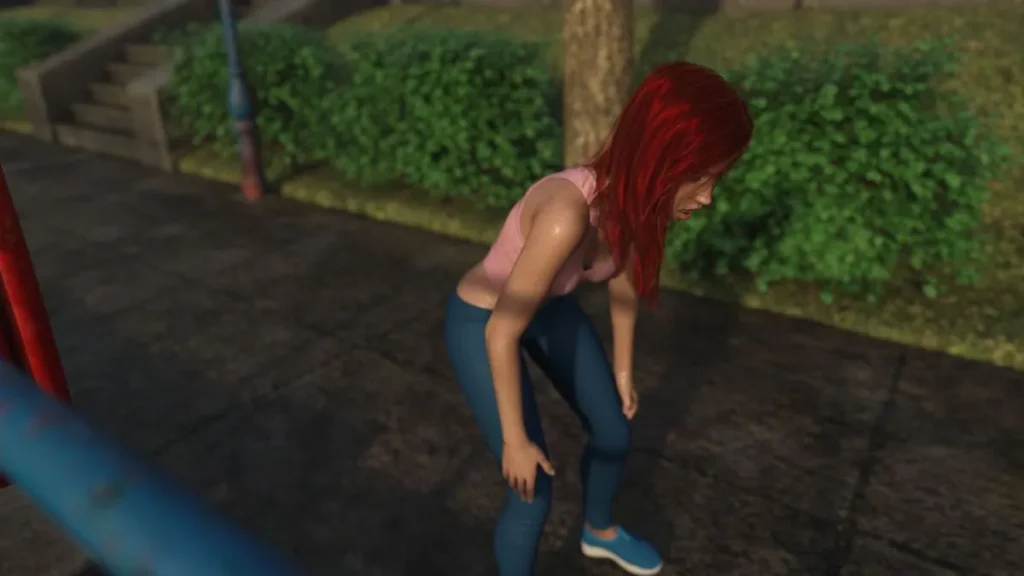
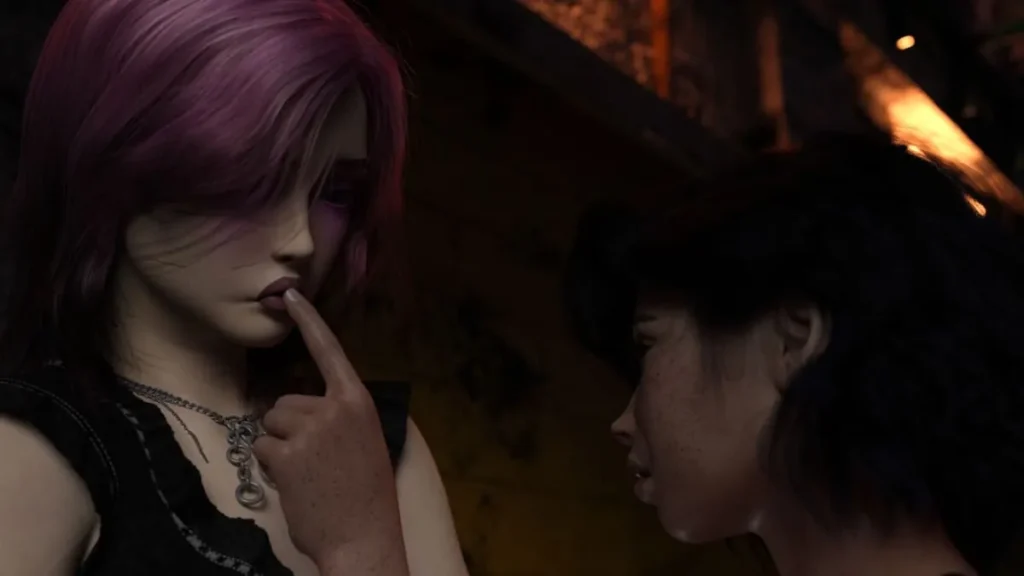
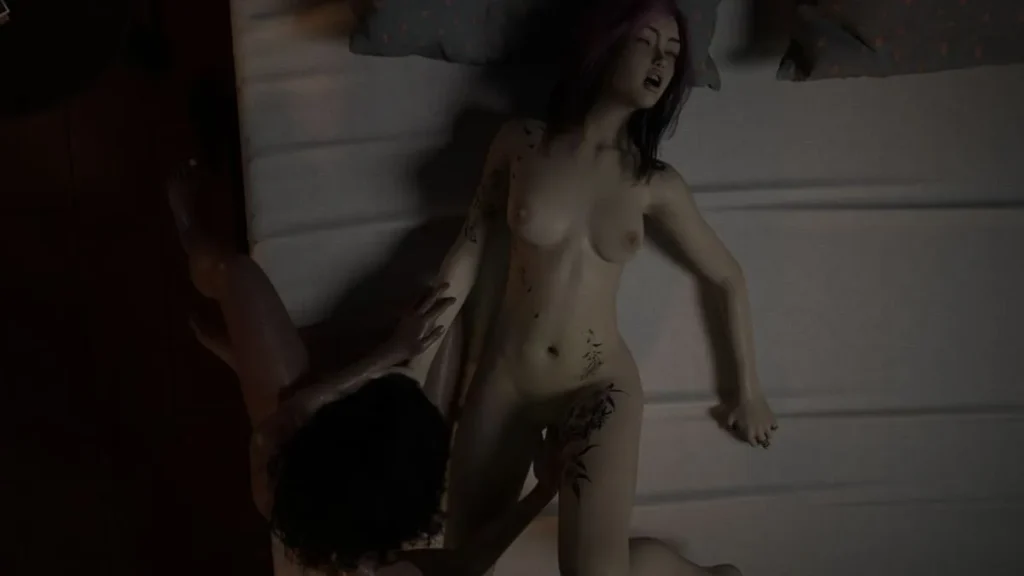
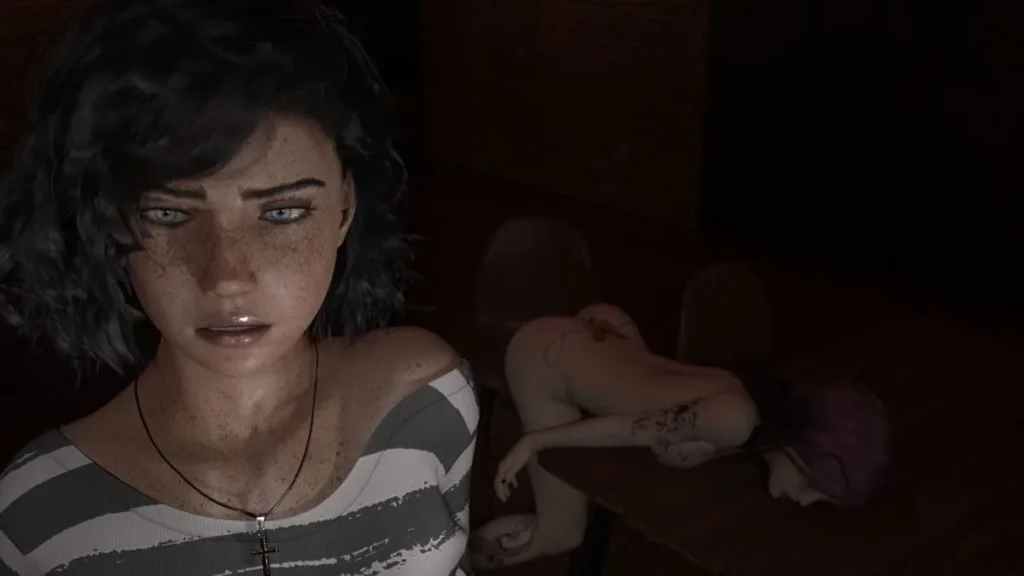

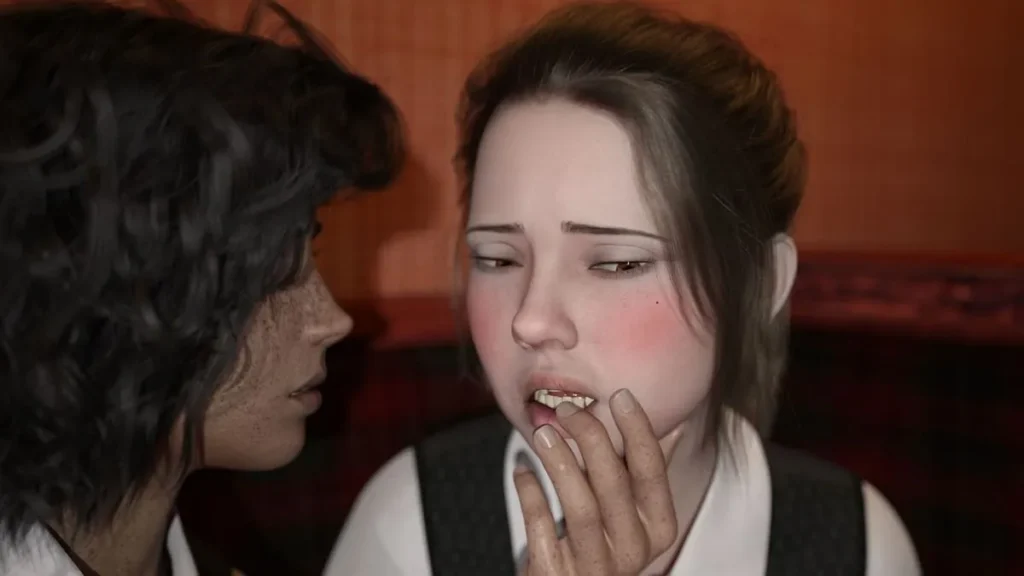
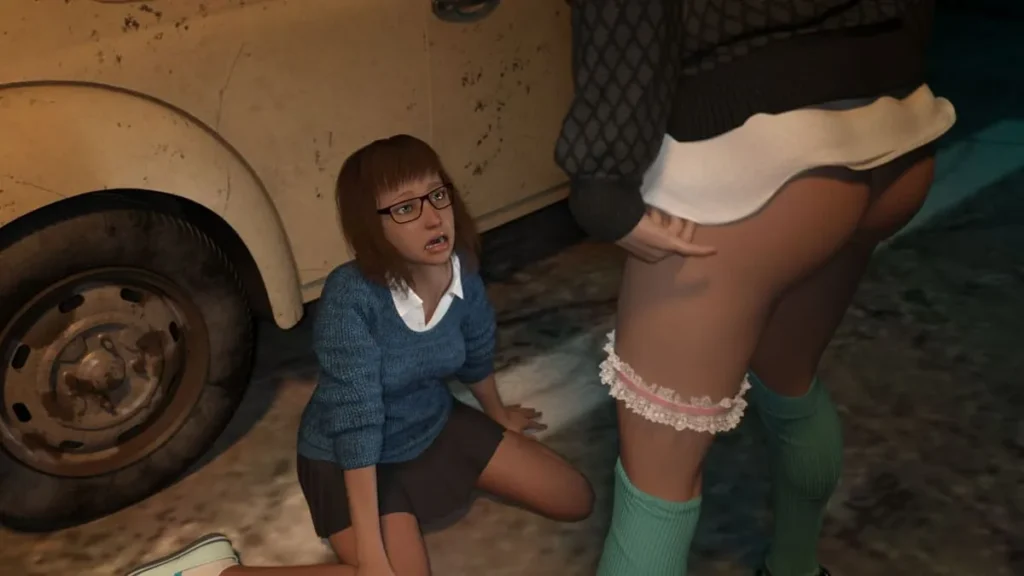
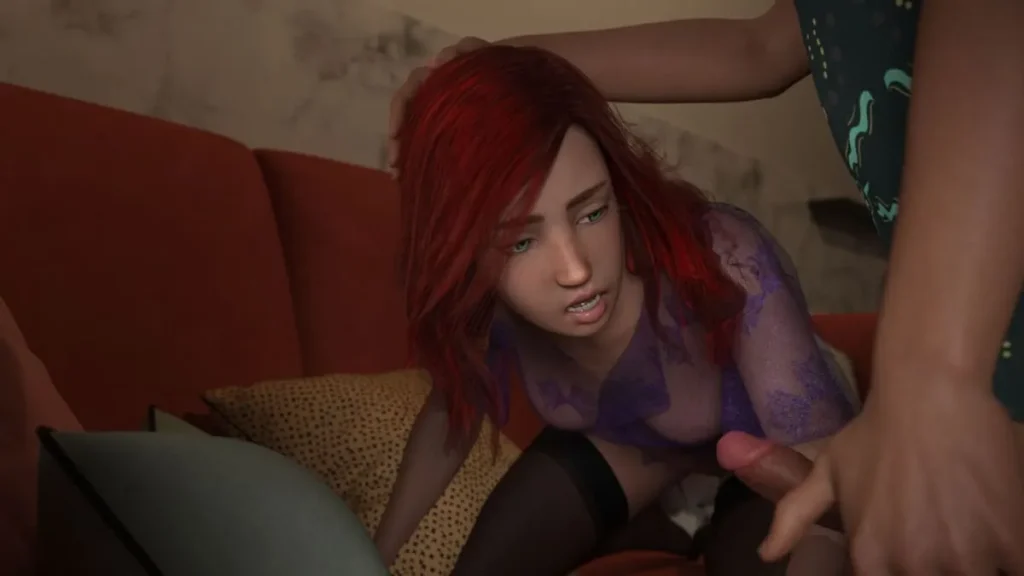
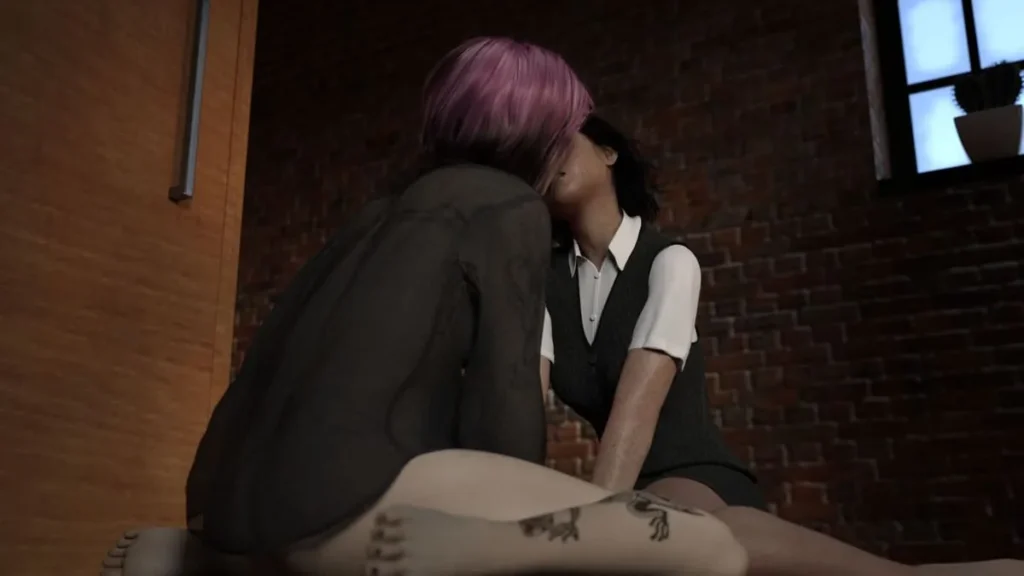
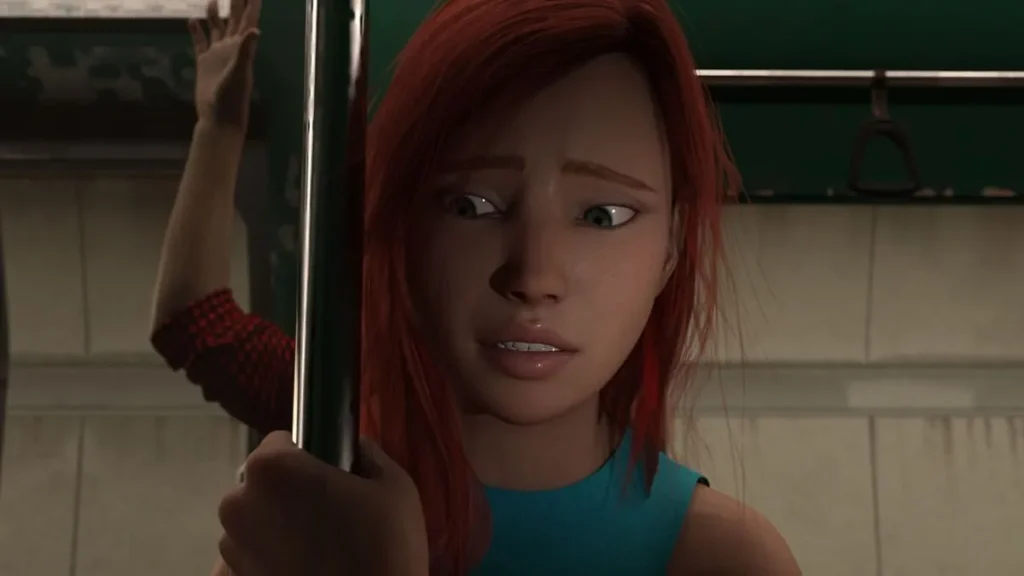
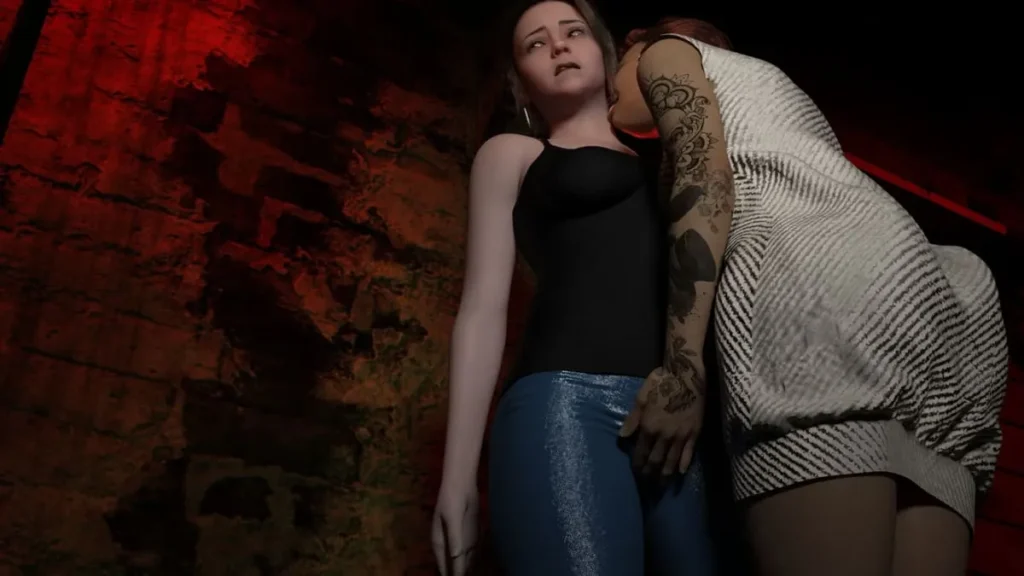
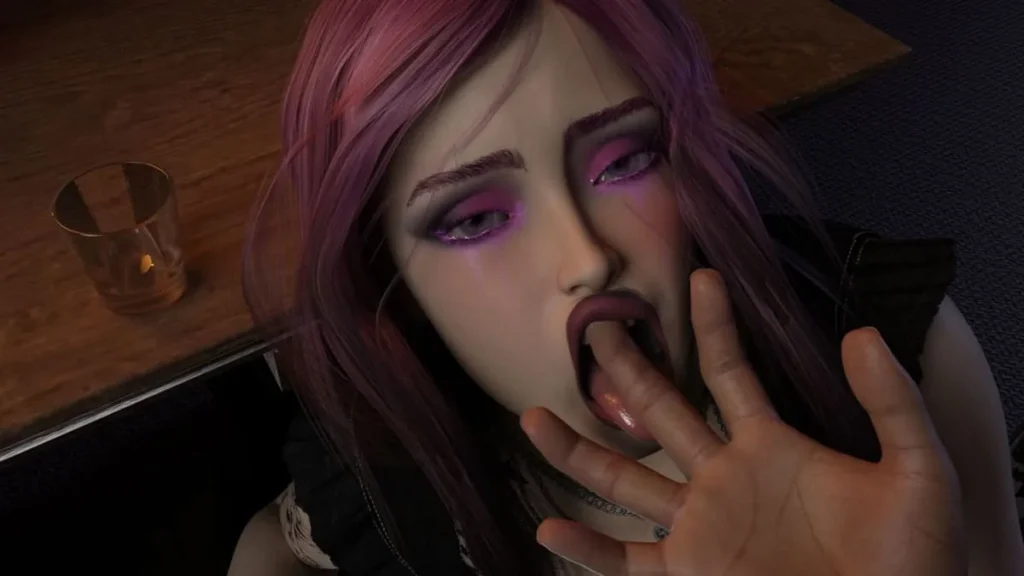
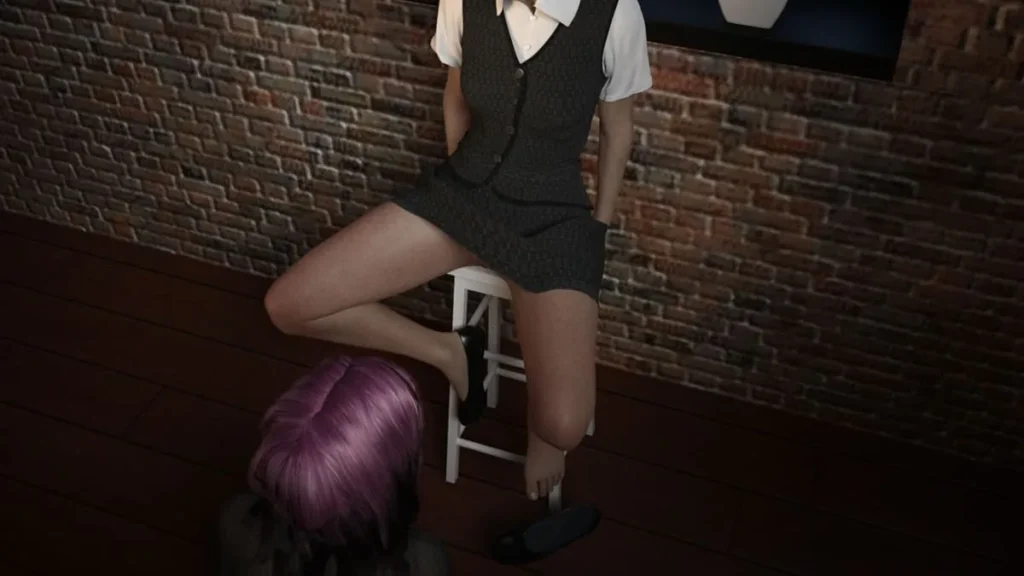
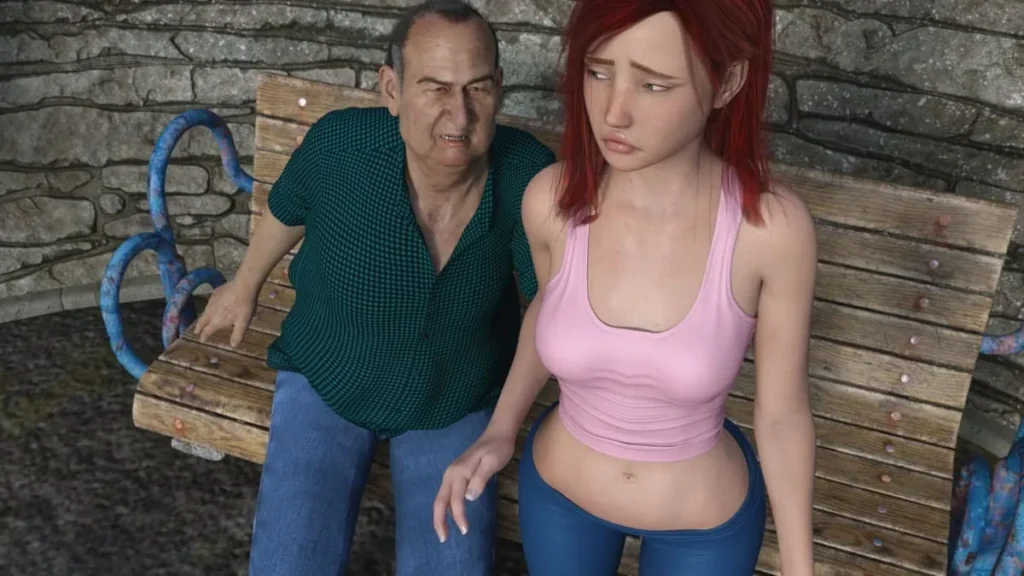
The Theater of Sinners review
Dive into Psychological Horror, Choices, and Twisted Tales
Imagine stumbling into a shadowy theater where every choice unleashes a cascade of humiliation, corruption, and blurred morality—that’s The Theater of Sinners. This gripping Ren’Py visual novel by JustXThings pulls you into the lives of protagonists like Paula and Rebecca, navigating a world of abuse, redemption, and psychological depth. From my first playthrough, I was hooked by the non-linear storylines and impactful decisions that shape twisted destinies. Whether you’re chasing the Theater of Sinners narrative thrills or exploring its mature themes, this guide uncovers everything to enhance your experience in this decision-driven fantasy horror gem.
What Makes The Theater of Sinners Uniquely Captivating?
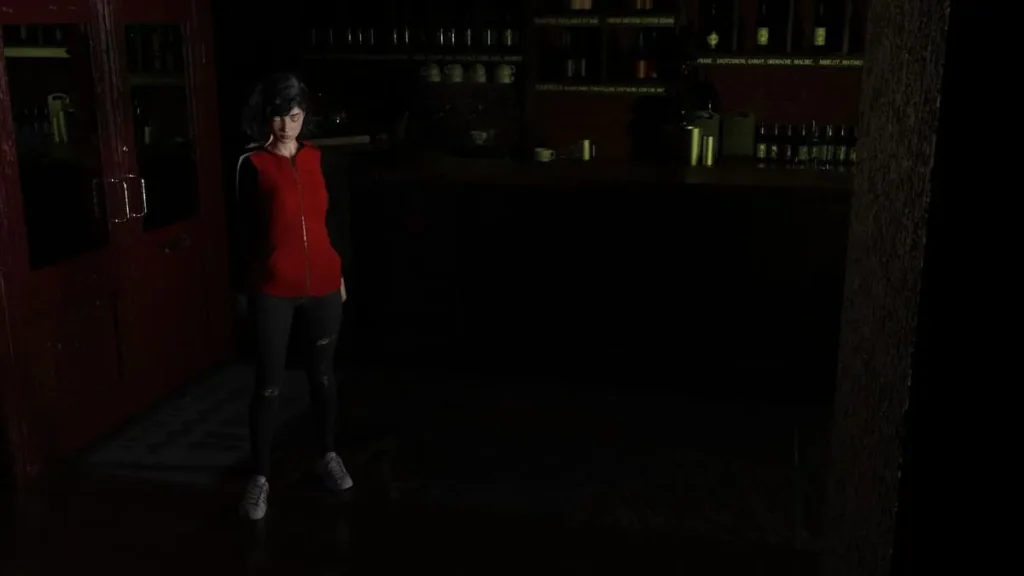
I still remember the first time I clicked past the title screen and found myself standing before the Grand Théâtre des Ombres. It wasn’t just a menu; it was a doorway. 😨 The haunting soundtrack, the shadowy art, the sense of a secret world waiting just beyond the curtain—I was immediately pulled in. This wasn’t just another game to play; it was an experience to step into. That initial feeling of immersive dread perfectly sets the stage for answering a core question: what is The Theater of Sinners? At its heart, it’s a masterclass in visual novel horror, a psychological fantasy game that trades jump-scares for a slow, chilling corrosion of your sense of right and wrong.
Unpacking the Core Premise and Setting
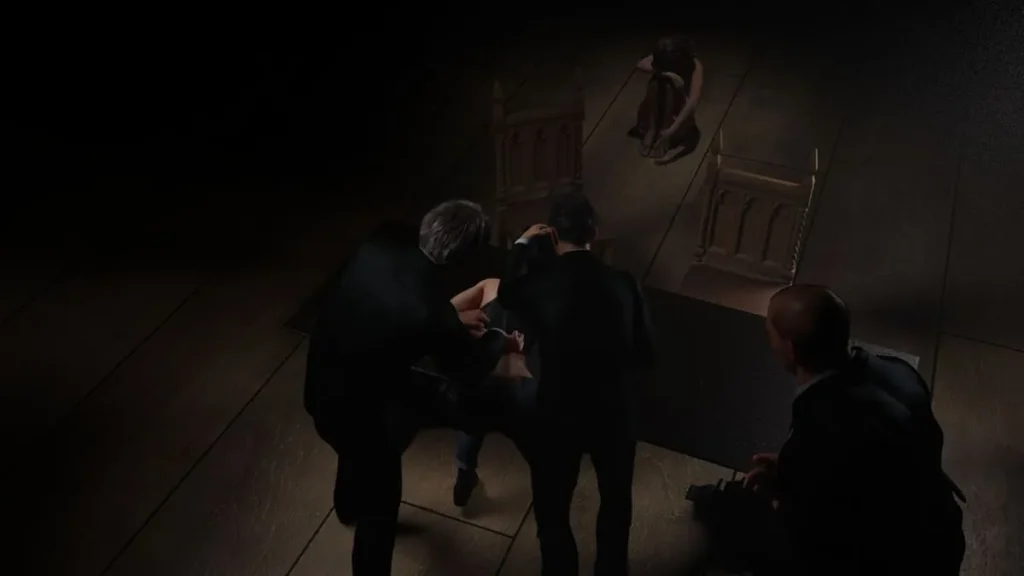
So, what exactly are you stepping into? The Theater of Sinners presents a non-linear narrative where you don’t follow one story, but orchestrate several. The setting is the mysterious Grand Théâtre des Ombres, a place that seems to exist between reality and nightmare, where damaged souls play out their most intimate tragedies and darkest desires. You guide protagonists like Paula, the daughter of a powerful figure, whose life spirals from being bullied into shocking acts of deviance, and Rebecca, who endures a home life with an addict mother and an abusive step-father. Their stories aren’t told in a straight line.
The genius of the Theater of Sinners narrative lies in its structure. 🔀 Using the Ren’Py engine, it presents events in a fragmented, almost dream-like order. You might play a scene from the present, then be thrown into a visceral flashback that recontextualizes everything. These events are playable in nearly any order, and they subtly influence each other. Discovering a character’s past trauma in one chapter will cast their actions in a completely new light in another, creating a deeply personal and evolving understanding of the story. This isn’t a tale told to you; it’s a puzzle of pain and psychology you assemble yourself, which is central to the experience of this psychological fantasy game.
The fantasy elements are woven seamlessly with brutal reality. Supernatural undertones and the theatrical framing device amplify the human horrors, rather than replace them. It suggests that the most terrifying monsters aren’t in the shadows, but in the human heart and the cycles of abuse we perpetuate. This blend is what makes the dark visual novel themes here so potent—they feel unsettlingly plausible.
Why Player Choices Drive the Horror?
In most games, choices are obvious forks in the road: save the village or burn it. The Theater of Sinners choices are different. They are often subtle, emotional, and deeply psychological. You’re not choosing between “good” and “evil,” but between different shades of compromise, survival, and corruption. A decision might not branch the plot immediately; instead, it quietly raises an internal stat for a character—like their resolve, fear, or submission—altering their mindset and unlocking (or locking away) future possibilities.
This is where the true visual novel horror manifests. The horror isn’t in a sudden loud noise; it’s in the quiet realization that your choice, made with the best of intentions, has steered a character toward a harsher, more tragic outcome. You are made responsible for the consequences in a way few games achieve.
Practical Advice: Savor the dialogue. 🎭 Don’t just click through. Read the subtext. A character’s hesitation, a change in their speech pattern, or a seemingly throwaway line can be a crucial signal. The atmosphere is built through these subtle implications, amplified by sound design and imagery that leans into dread rather than shock.
Let me give you an example. Early with a character like Paula, you might be presented with a choice to confront her tormentors or to internalize the humiliation. Choosing confrontation could lead to a surprising, volatile alliance born from shared anger. Choosing to internalize it might seem passive, but it could unlock a path where she begins to wield her suffering as a form of twisted power, offending those who expected her to break. The game constantly asks: what does survival cost? And are you willing to pay that price on behalf of the character you guide?
Themes of Corruption and Moral Gray Areas
If there’s one phrase that defines the experience, it’s moral ambiguity in games. The Theater of Sinners doesn’t just include gray areas; it paints its entire world with them. It delves into themes that are uncomfortable, mature, and handled with a disturbing sincerity:
- Humiliation & Brutality: These aren’t just events; they are transformative forces that reshape identities.
- Sadism, Masochism, & D/s Dynamics: Explored as psychological states and relational power plays, far beyond mere titillation.
- Cycles of Abuse: The game brilliantly shows how victims can become perpetrators, not as a simple twist, but as a tragic, understandable chain reaction.
- Guilt & Unconventional Romance: Relationships are rarely about pure love. They are often tangled with dependency, manipulation, and a shared history of pain, making them feel heartbreakingly real.
This is the core of the Theater of Sinners narrative. You are constantly navigating this ethical quagmire. There is no “paragon” route where everyone gets a happy ending. Every path involves sacrifice, corruption, or hard compromises. This forces you to engage with the story on a deeper level, defining your own boundaries and understanding of redemption.
To see how these dark visual novel themes interconnect, here’s a breakdown:
| Theme | Description | Player Impact |
|---|---|---|
| Humiliation vs. Empowerment | Characters often face degrading situations. The “choice” is how they internalize or weaponize that experience. | You decide if shame breaks a character or forges them into something harder and more dangerous. |
| Brutality as Communication | Violence is rarely mindless. It’s a language of control, desperation, or perverted affection. | Your choices interpret this language. Do you read an act of brutality as a threat to escape, or a twisted call for connection? |
| The Gray Spectrum of Consent | In worlds of power imbalance and trauma, “choice” is a complex concept explored in relationships and dynamics. | You navigate blurred lines, constantly questioning agency and complicity in character interactions. |
Ultimately, what is The Theater of Sinners if not a stage? It’s more an interactive theatrical production than a traditional game. You are the director, the audience, and sometimes, the reluctant co-writer of these tragedies. The Theater of Sinners choices you make don’t just change endings; they change the very nature of the characters’ journeys, making each playthrough a unique reflection of your own moral navigation through its shadowy halls. It’s a challenging, unforgettable dive into the darkest corners of storytelling, proving that the most compelling psychological fantasy game is one that holds a mirror up to the human condition—and lets you decide how to react to the reflection. 😶
FAQ: Your Theater of Sinners Questions Answered
Q: What is the core premise of The Theater of Sinners?
A: It’s a non-linear, psychological horror visual novel where you guide multiple protagonists through their intertwined stories of trauma, desire, and moral decay within the mysterious Grand Théâtre des Ombres. The focus is on character-driven narratives where your subtle choices shape their psychology and destiny.
Q: How impactful are the choices really?
A: Extremely impactful, but not always in obvious ways. Choices can alter character stats, lock or unlock future scenes and dialogue options, and lead to dramatically different narrative outcomes and endings. The consequences are often emotional and psychological, creating a deeply personal story.
Q: What kind of content should I be prepared for?
A: This game deals with explicit mature themes including psychological abuse, physical violence, intense D/s dynamics, trauma, and moral ambiguity. It is intended for a mature audience and approaches these dark visual novel themes with a serious, narrative-focused intent. Always check the official content warnings before playing.
The Theater of Sinners stands out as a masterful blend of chilling narrative, deep characters, and player-driven paths through corruption and redemption. From Paula’s descent to Rebecca’s struggles, every decision crafts a unique tale of moral shadows. My own dives into its branches left me rethinking choices long after—it’s that immersive. Ready to direct your own twisted performance? Download the latest 0.3 ALPHA 1 version, savor the atmosphere, and share your wildest outcomes in the comments. Step into the theater and let the sins unfold.