
Play Thirty Days
Thirty Days Screenshots








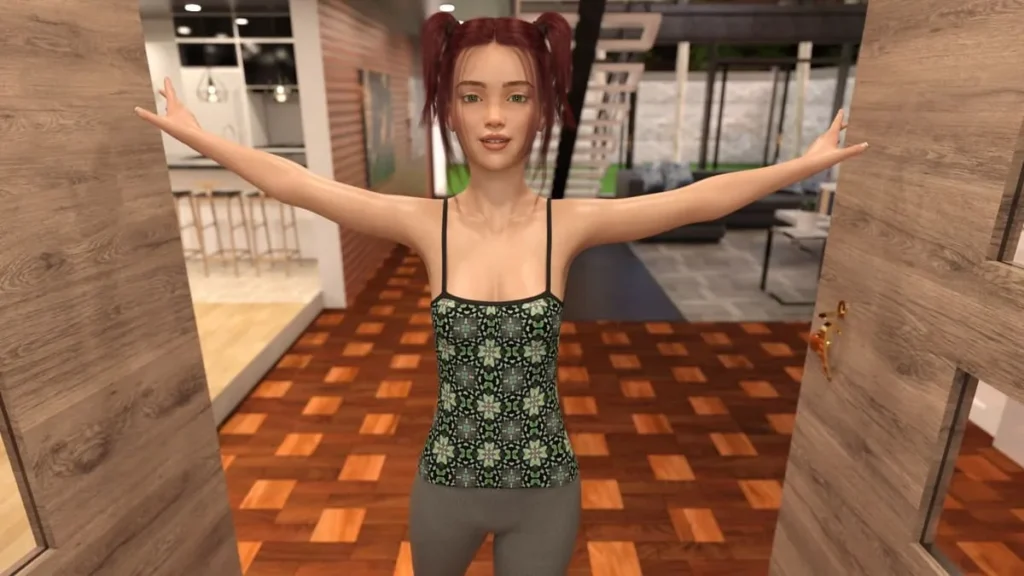









Thirty Days review
Master the choice-driven narrative and unlock multiple story paths in this immersive adult game
Thirty Days stands out as a choice-driven visual novel that transforms how players experience interactive storytelling. Unlike traditional linear narratives, this game places you at the center of a month-long journey where every decision—from morning conversations to evening reflections—shapes the lives of characters around you. Whether you’re exploring relationship dynamics, navigating branching storylines, or discovering multiple endings, understanding the game’s mechanics and narrative depth is essential for maximizing your experience. This guide walks you through everything you need to know about mastering Thirty Days and unlocking its full potential.
Understanding Thirty Days: Gameplay Mechanics and Narrative Structure
Ever downloaded a visual novel expecting a grand, branching adventure, only to find your choices merely change a line of dialogue before the story marches, unflinching, down a single, predetermined path? 😩 I’ve been there. You click what feels like a major decision, your heart pounding with the weight of it… and nothing truly shifts. The narrative railroad continues. It’s a common experience, but it’s one that Thirty Days completely obliterates.
This isn’t your typical read-and-click story. Thirty Days is a masterclass in interactive storytelling game design, built from the ground up to ensure every single decision you make has tangible, often unforeseen, consequences. It’s a game where you don’t just witness a story—you architect it through a delicate, complex web of choices. Let’s pull back the curtain on the brilliant Thirty Days gameplay mechanics that make this possible.
What Makes Thirty Days Different From Other Visual Novels?
Most visual novels are like novels with occasional forks in the road. Thirty Days is more like tending a garden for a month, where every interaction is a seed, and the ending you reap is a direct result of what you chose to water, neglect, or prune. 🌱 The core difference lies in its foundational philosophy: authentic consequence over illusory choice.
The premise sets the stage perfectly. You arrive in a new city, alone and starting over, and are invited to join a unique “social experiment.” Your task? Live your life, meet people, and document your experiences over the next 30 days. There’s no world-ending threat or magical quest—just the beautifully complex challenge of building a life and navigating human connections. This relatable foundation makes every dilemma hit home.
Forget “good” vs. “evil” options. The visual novel choices impact here mirrors real-life social dilemmas. Should you be brutally honest with a new friend who’s showing you their art, or offer gentle encouragement? Do you spend your limited time and energy pursuing a potential romance, or focus on building your own confidence and happiness first? There are no highlighted “best” answers, only choices that align with the person you’re trying to become in this digital world.
The game throws out the traditional three-act screenplay structure. Instead, events unfold organically based on your stats, relationships, and past actions. A character you shared a deep conversation with last week might randomly call you for support on a rough day. Another you brushed off might not invite you to a pivotal group event. This creates a living, breathing world that reacts to you, not a script. This organic flow is the heart of its choice-driven visual novel experience, making each playthrough a unique personal story.
How the 30-Day Calendar System Creates Urgency and Consequence
The ticking clock is more than a backdrop; it’s the central nervous system of the game’s design. 🗓️ The 30-day calendar system is a masterstroke that transforms casual play into a deeply strategic and emotional experience. You don’t have infinite time to be everyone’s best friend and pursue every hobby. You must prioritize, and every choice to do one thing is implicitly a choice not to do another.
This structure injects a thrilling and very real sense of urgency. You feel the days slipping by. If you want to connect with the reclusive artist, you need to seek them out multiple times, which means sacrificing opportunities to bond with the energetic bartender. The game masterfully uses FOMO (Fear Of Missing Out) not as a cheap trick, but as a narrative device to simulate life’s most pressing constraint: time.
Each day is thoughtfully broken into three key phases, creating a compelling daily rhythm that shapes your strategic planning. Here’s how a typical day unfolds:
| Phase | Your Role & Key Actions | Example Decision Points |
|---|---|---|
| Morning (Planning) | You review your goals, check messages, and plan your day. This is where you set your intent. | Do you reply to that text from last night? Do you commit to working on your personal project, or decide to be social and visit a cafe? |
| Afternoon (Primary Action) | You live out your plan. This is where major story events, character meetings, and mini-games occur. | At the cafe, do you sit alone to read, or join a table of acquaintances? When a character shares a problem, do you offer practical help or emotional support? |
| Evening (Reflection) | The day winds down. You may have a quiet moment alone, receive a late-night call, or journal about your experiences. | Do you go to sleep early to be refreshed, or stay up late gaming online, affecting tomorrow’s energy? Do you ruminate on a mistake or practice self-forgiveness? |
This daily cadence is brilliant because it turns time into your most precious resource. You can’t do it all, and the game doesn’t let you forget it. This pressure makes your decisions feel weighty and meaningful, cementing Thirty Days as a premier interactive storytelling game. You’re not just making choices; you’re managing a life, and the branching storylines are the direct outcome of your time management and personal priorities.
The Role of Hidden Stats in Shaping Your Story
If the calendar is the game’s skeleton, the character stat system is its beating heart—and the genius part is, you almost never see the numbers directly. ❤️🔥 This isn’t a RPG with a UI full of visible meters. Instead, Thirty Days employs a suite of hidden metrics like Happiness, Confidence, Trust, Empathy, and relationship affinities that work silently behind the scenes.
These hidden stats are the game’s memory. They track not just what you did, but the subtext of your actions. For example, consistently choosing self-deprecating dialogue might slowly chip away at your Confidence stat, while pushing yourself out of your comfort zone in social situations could build it. This stat will then influence future dialogue options and how characters perceive you. A high Confidence character might unlock bold, flirtatious options, while a low Confidence character might only see nervous or avoidant responses.
Personal Insight: The first time I realized the depth of this system was on my third playthrough. I was trying to build a close friendship with a character who valued independence. On my first run, I’d been overly eager and always available, which led to a neutral ending. On the later run, I focused on my own Happiness and Confidence stats, often being casually supportive but busy with my own projects. To my shock, that character sought me out more, respecting my own life and leading to a much deeper bond. The game was tracking my self-worth, and the other characters could sense it.
The cause-and-effect gameplay here is breathtaking in its long-term design. Small, seemingly inconsequential kindnesses or moments of authenticity create ripples that expand weeks later. This is where the true magic of how do visual novel choices work in Thirty Days is revealed: through patient, invisible cultivation.
Example Scenario: The Cascading Choice
Let’s look at a real in-game scenario to see this web in action:
- Day 7: You meet Leo, who seems down. He mentions offhandedly that he used to enjoy photography but lost his passion. You have a choice: You can A) Encourage him to pick up his camera again, sharing your own interest in art, or B) Suggest he just needs a distraction, and invite him to a party instead.
- The Hidden Impact: Choice A subtly increases Leo’s “Creative Spark” affinity and your “Empathy” stat. Choice B increases “Social” affinity.
- Day 15: If you chose A, Leo might text you a photo he took, starting a new, intimate thread of conversation. If you chose B, he might just invite you to another social gathering.
- Day 22: The branching storylines now diverge significantly. In the “A” path, Leo is grappling with creative vulnerability. He might ask you to see his new portfolio, leading to a crucial scene where your feedback can deeply strengthen your Trust stat. In the “B” path, Leo might be at the party, but your interaction is surface-level, surrounded by others. The opportunity for that deep, trusting moment is gone because the foundation wasn’t built.
- Endgame: This chain can determine if Leo becomes a lifelong friend and confident, or simply remains a fun acquaintance. It can even unlock an ending scene where he credits you for rekindling his artistic career—a payoff from a small, supportive comment made over two weeks prior.
This is the essence of the choice-driven visual novel experience Thirty Days offers. Your journey is a tapestry woven from hundreds of these tiny threads. The character stat system and relationship values are the loom, and the Thirty Days gameplay mechanics of the calendar provide the tension. You are constantly writing and rewriting the story through every interaction, planned activity, and quiet moment of reflection.
Mastering Thirty Days isn’t about finding a walkthrough for the “best” ending. It’s about understanding that you are in a dynamic system where everything is connected. Embrace the urgency of the calendar, listen to the subtle cues of the characters, and trust that the game is remembering your every kindness, hesitation, and moment of courage. Your 30 days await—what story will you live? 🎮✨
Thirty Days represents a sophisticated approach to interactive storytelling where your agency as a player directly shapes the narrative landscape. The game’s genius lies not in grand, world-altering decisions but in the accumulation of small, meaningful choices that ripple through character relationships and story outcomes. By understanding how the 30-day calendar creates urgency, how hidden stats track character development, and how micro-decisions cascade into major consequences, you unlock the full depth of what makes this visual novel special. The multiple endings aren’t rewards for ‘winning’ but rather natural conclusions to the unique journey you’ve crafted through your choices. Whether you’re drawn to exploring different character paths, discovering hidden story threads, or experiencing the emotional weight of your decisions playing out over time, Thirty Days offers remarkable replay value and narrative flexibility. Start your journey today and discover how your choices create a story that’s entirely your own.