City of Broken Dreamers
Play City of Broken Dreamers
City of Broken Dreamers Screenshots

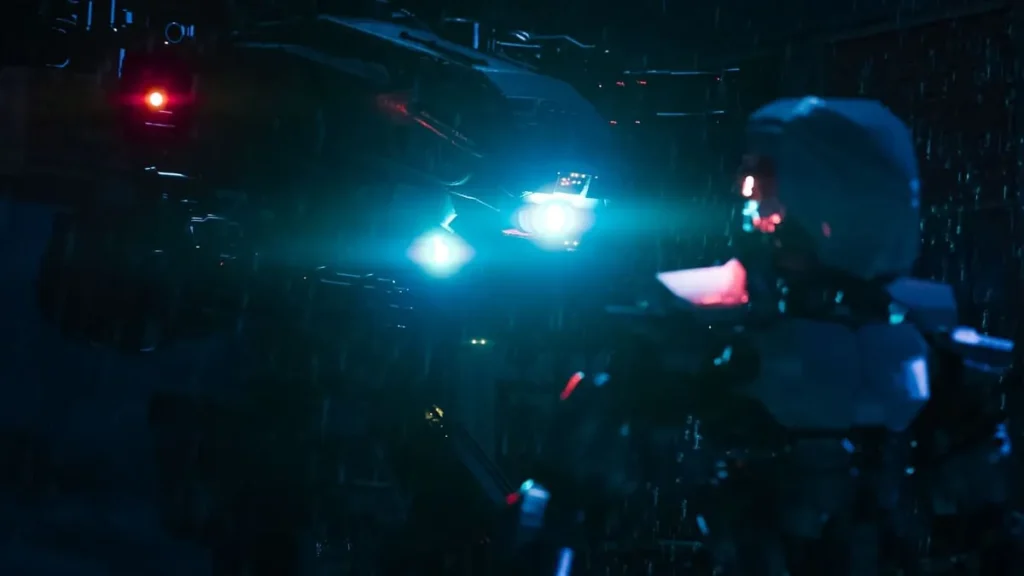
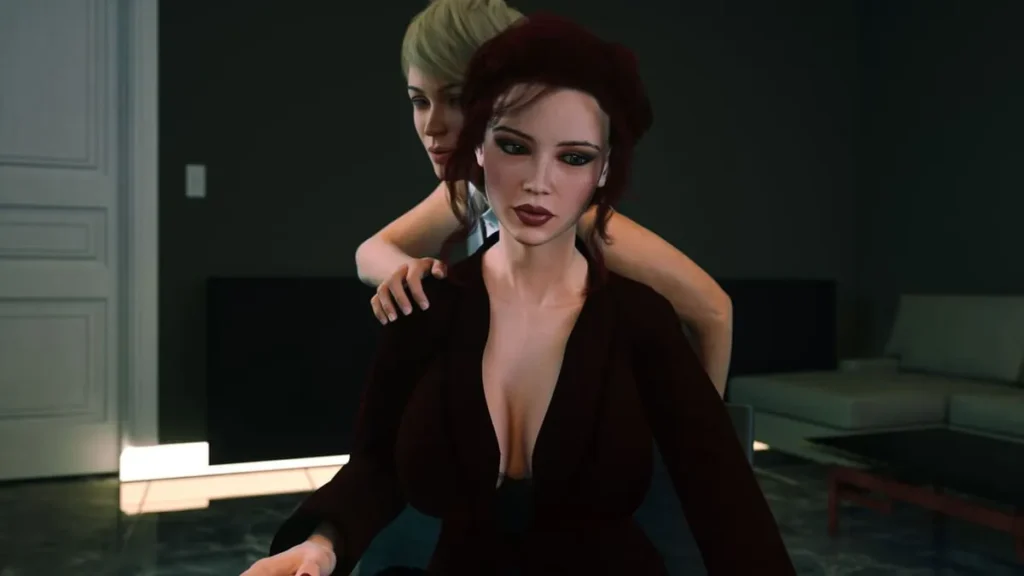





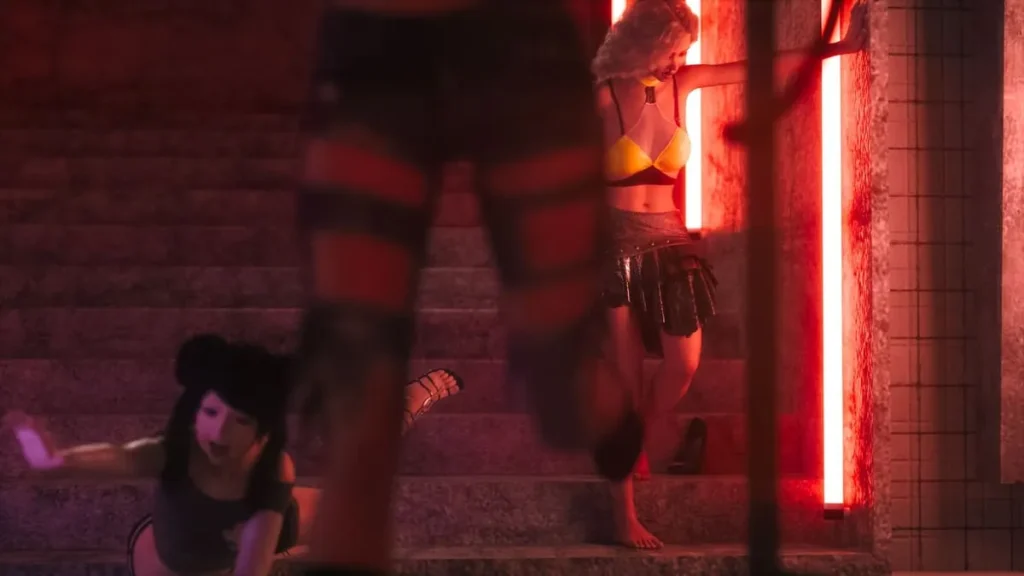
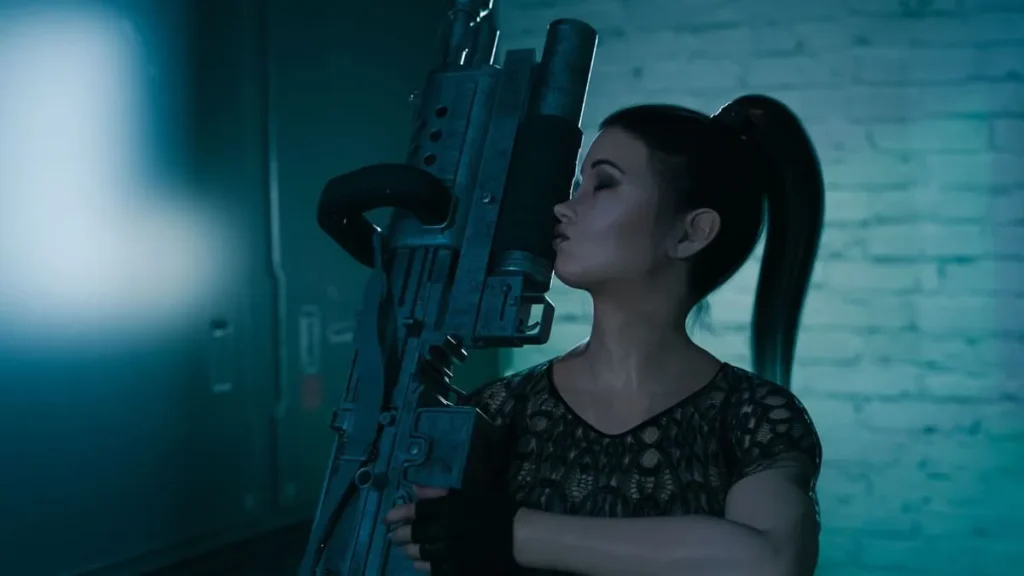




City of Broken Dreamers review
Dive into the Cyberpunk Bounty Hunter Saga with Stunning Visuals and Choices
Imagine stepping into a neon-drenched cyberpunk world as a hardened bounty hunter known as a Ghost, chasing marks while confronting your haunted past. City of Broken Dreamers delivers that thrill with its gripping noir story, lush visuals, and intimate character interactions. I’ve lost countless hours to its branching paths and emotional depth, where every choice ripples through relationships built on affection scores and lust values. Whether you’re drawn by the compelling narrative or the steamy scenes tied to genuine dynamics, this visual novel stands out. Let’s explore why it’s a must-play and how to master it.
What Makes City of Broken Dreamers a Cyberpunk Masterpiece?
Ever load up a game and just know you’re in for something special? That was my exact feeling the first time I booted up City of Broken Dreamers. The rain-slicked neon, the synthwave hum, and the immediate weight of a world that felt both fantastical and terrifyingly real. This isn’t just another sci-fi romp; it’s a noir cyberpunk game that masterfully blends hard-boiled detective tropes with cutting-edge tech and deep, personal drama. At its heart, this cyberpunk visual novel asks a haunting question: in a city that eats dreamers for breakfast, what’s left for a Ghost bounty hunter whose own dreams are already in pieces?
Let’s dive into what makes this journey an unforgettable experience.
Unpacking the Core Storyline and Your Role as a Ghost
You are not a hero. Not in the shiny, savior-of-the-universe sense. You are Phillip, one of the best Ghosts in Los Ojos—a veteran bounty hunter with a cybernetic arm, a mountain of debt, and a past that’s a minefield of regrets. The core of the City of Broken Dreamers story kicks off with what seems like a straightforward job: find a mysterious young woman named Katie.
Sounds simple, right? In this world, nothing is.
What begins as a routine track-and-retrieve mission spirals into a conspiracy that threatens the fragile soul of the city itself. You’ll navigate through brutal gang territories, sleek corporate fortresses, and the city’s grimy underbelly, all while peeling back the layers on Katie’s true significance. But the real genius of this cyberpunk visual novel is how it parallels the external mystery with your internal one. 🕵️♂️
Your role as a Ghost bounty hunter is more than a job title; it’s a state of being. Ghosts are the elite, the ones who can get in and out without a trace. But Phillip is haunted—by the war, by his failed relationships, by choices he can’t take back. Every interaction, every flashback, is a piece of the puzzle that is you. This personal, troubled history isn’t just backstory; it’s the fuel for the game’s most ingenious mechanic: the hidden anger stat.
What is the anger stat in City of Broken Dreamers? It’s the silent pulse of your character’s psyche. This invisible meter tracks Phillip’s simmering rage and trauma. It doesn’t show up on your screen, but it powerfully influences dialogue options, character reactions, and even which paths become available. A calmer Phillip might negotiate his way out of a fight, while an angrier one might snap and escalate a situation violently, altering his relationships and the story’s direction permanently. It’s a brilliant way to make your internal state a core gameplay element.
This fusion of a gritty, external noir cyberpunk game plot with a deep, internal character study is what sets this story apart. You’re not just solving the city’s mystery; you’re deciding whether Phillip can solve his own.
How Choice-Driven Mechanics Shape Your Journey
If the story is the engine, the choice-driven mechanics are the steering wheel, brakes, and nitro boost all in one. City of Broken Dreamers moves far beyond simple “good vs. evil” decisions. Every choice feels consequential, weaving a web of loyalty, desire, and survival.
The most talked-about system is undoubtedly the affection lust system. This isn’t a simple romance tracker. It’s a nuanced, dual-axis mechanic that reflects the complex nature of relationships in this gritty world. Each major female character has separate scores for Affection (respect, trust, emotional connection) and Lust (physical desire and raw attraction).
| Metric | What It Represents | Impact on Gameplay & Scenes |
|---|---|---|
| Affection | Emotional bond, trust, and genuine care. Built through supportive dialogue, keeping promises, and acts of kindness. | Unlocks deeper, more intimate conversations, emotional support scenes, and story paths rooted in partnership and loyalty. High affection can lead to more stable, lasting connections and crucial story alliances. |
| Lust | Physical attraction, chemistry, and primal desire. Built through flirty, bold, or dominant dialogue choices and physical interactions. | Unlocks passionate scenes and more physically intimate moments. It can open doors (sometimes literally) that a purely affectionate route might not, but can also lead to relationships based primarily on physical need. |
Balancing or prioritizing one over the other creates wildly different dynamics. In one playthrough, I focused purely on building Affection with the brilliant, guarded tech expert Ellen. Our relationship became a slow, tender burn of mutual respect—a sanctuary from the city’s chaos. In another, I leaned into Lust with a different character, resulting in a fiery, volatile dynamic that was exciting but ultimately left my Phillip feeling more alone than ever. 😔 This affection lust system gives you incredible power to define not just who you’re with, but what kind of relationship you have.
Then there’s the hidden anger stat. Let me give you a personal anecdote. Early on, you have a tense encounter with a smug corporate fixer. My anger stat was high from previous aggressive choices. The game presented me with a dialogue option that seemed unusually harsh, something a calmer Phillip wouldn’t even think of saying. I chose it. My character verbally eviscerated the fixer, gaining a temporary advantage but burning a bridge permanently. Later, that same fixer could have been a valuable ally. My anger felt powerful in the moment, but it cost me. It was a stark lesson that in this cyberpunk visual novel, your emotional state is a resource to manage.
Practical Advice on Managing Your Anger Stat:
* Breathe. Opt for Neutral: When given dialogue options, choices that are calm, professional, or sarcastic without malice often keep your anger in check.
* Avoid “Aggressive” or “Taunt” Prompts: The game often tags choices. Steer clear of these if you want a cooler-headed Phillip.
* Seek Positive Connections: Interactions that boost Affection with certain characters can sometimes provide moments of calm, indirectly soothing your anger.
* Embrace It for a Specific Path: Want to play a bitter, rage-fueled Ghost bounty hunter? Then lean in! Let the anger flow and see where that dark, explosive path leads. It’s a valid and compelling way to experience the City of Broken Dreamers story.
Visuals and Atmosphere That Pull You In
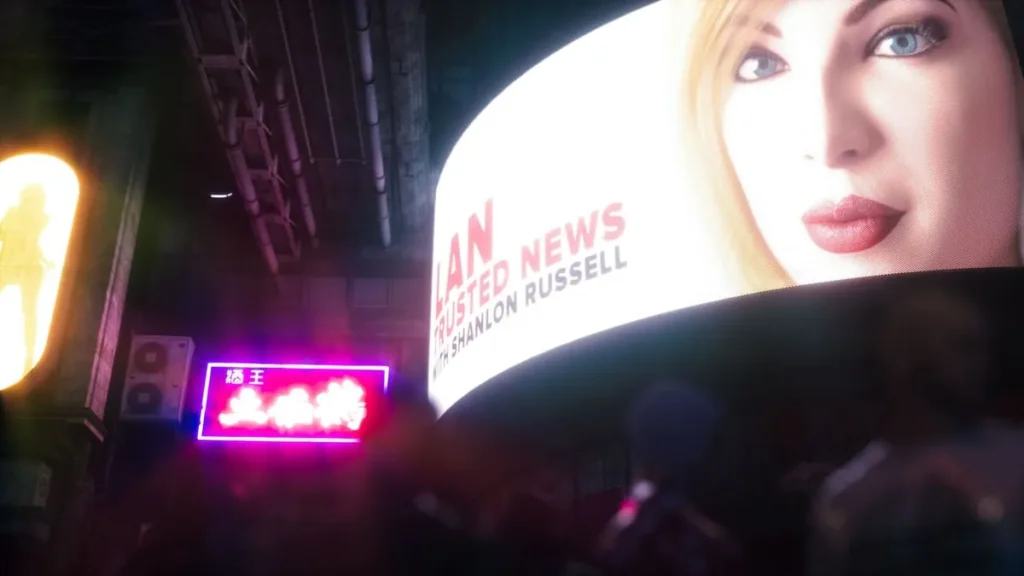
A great cyberpunk story needs a world you can feel. This is where City of Broken Dreamers doesn’t just compete; it dominates. 🖼️ The artwork is nothing short of stunning. We’re not just talking about pretty pictures; we’re talking about environmental storytelling that oozes atmosphere.
The backgrounds are immersive masterpieces. You’ll feel the damp chill of rain-soaked alleyways, the sterile anxiety of a back-alley cybernetic clinic, and the oppressive grandeur of a mega-corporation’s atrium. Each location is a character in itself, reinforcing the game’s central themes of decay, beauty, and technological overload. This visual depth is a cornerstone of its identity as a premier cyberpunk visual novel.
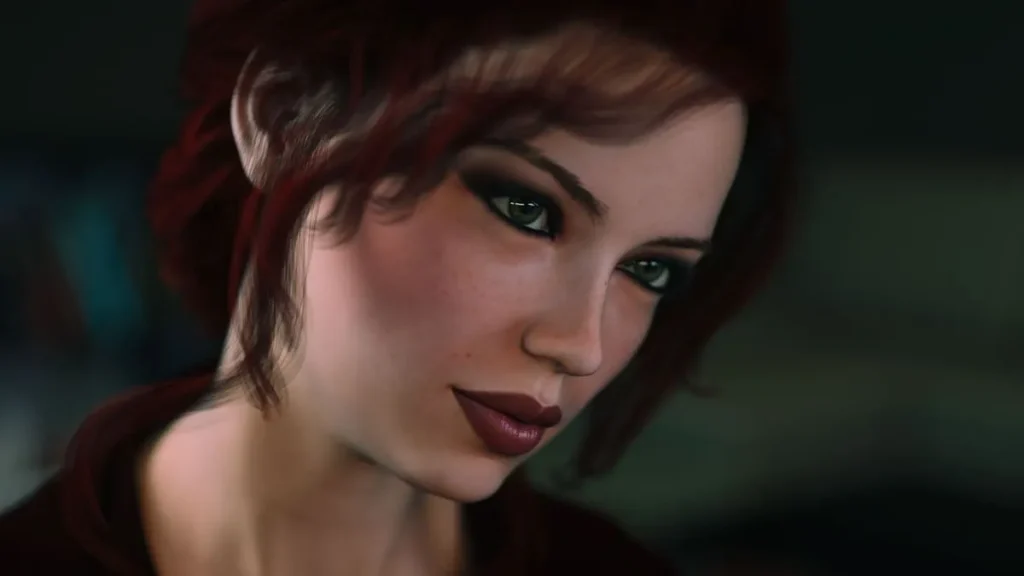
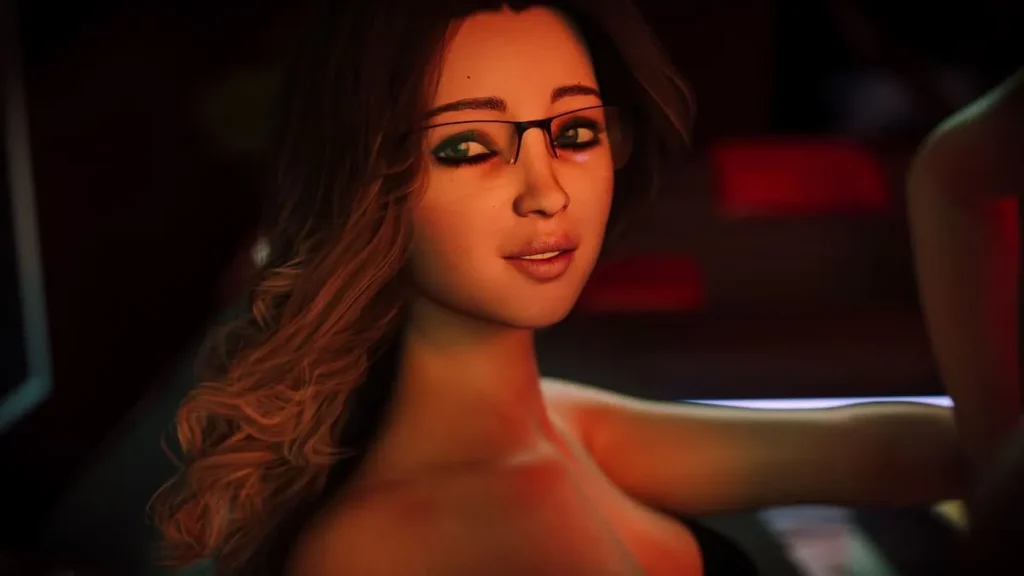
Then there are the character designs—a flawless blend of noir cyberpunk game aesthetics and exaggerated, stylized appeal. The artists understand the genre’s fantasies: sleek augmentations, daring fashion, and characters who look like they’ve stepped out of both a graphic novel and your dreams. But the true magic is in their expressiveness. A single glance can convey more than a paragraph of text—disdain, longing, suspicion, or warmth. The eyes, in particular, are incredibly well-drawn, serving as windows into souls that are just as augmented and scarred as their bodies.
It all combines to create an atmosphere that is relentlessly engaging. The soundtrack’s synthwave beats and melancholic melodies perfectly underscore the action and the quieter moments of introspection. From the moment you start, you’re not just playing a bounty hunter visual novel; you’re living in its world.
“The story hooked me like a classic noir film, but the visuals and the weight of my choices made me feel like I was living inside one. It’s the complete package—a thinking person’s adventure with a heart and a killer look.” – A veteran player’s review.
So, what makes City of Broken Dreamers a masterpiece? It’s the fearless way it blends a gripping, personal Ghost bounty hunter narrative with intelligent systems like the affection lust system and the hidden anger stat. It’s the commitment to a breathtaking noir cyberpunk game aesthetic that pulls you deep into its neon-lit despair and beauty. It understands that in the best cyberpunk tales, the most important discoveries aren’t about the city’s secrets, but about the condition of your own soul. This cyberpunk visual novel isn’t just a game you play; it’s an experience you inhabit, one meaningful choice at a time.
City of Broken Dreamers captivates with its cyberpunk depths, meaningful choices, and relationships that feel real amid the neon haze. From my late-night sessions unraveling the Ghost’s past to those tender moments with characters like Katie, it’s a journey of intrigue and passion. If you crave a visual novel blending top-tier storytelling with adult elements, grab Book One now—it’s worth every penny. Dive in, manage your anger wisely, and let the dreams unfold. What’s your first mark going to be?