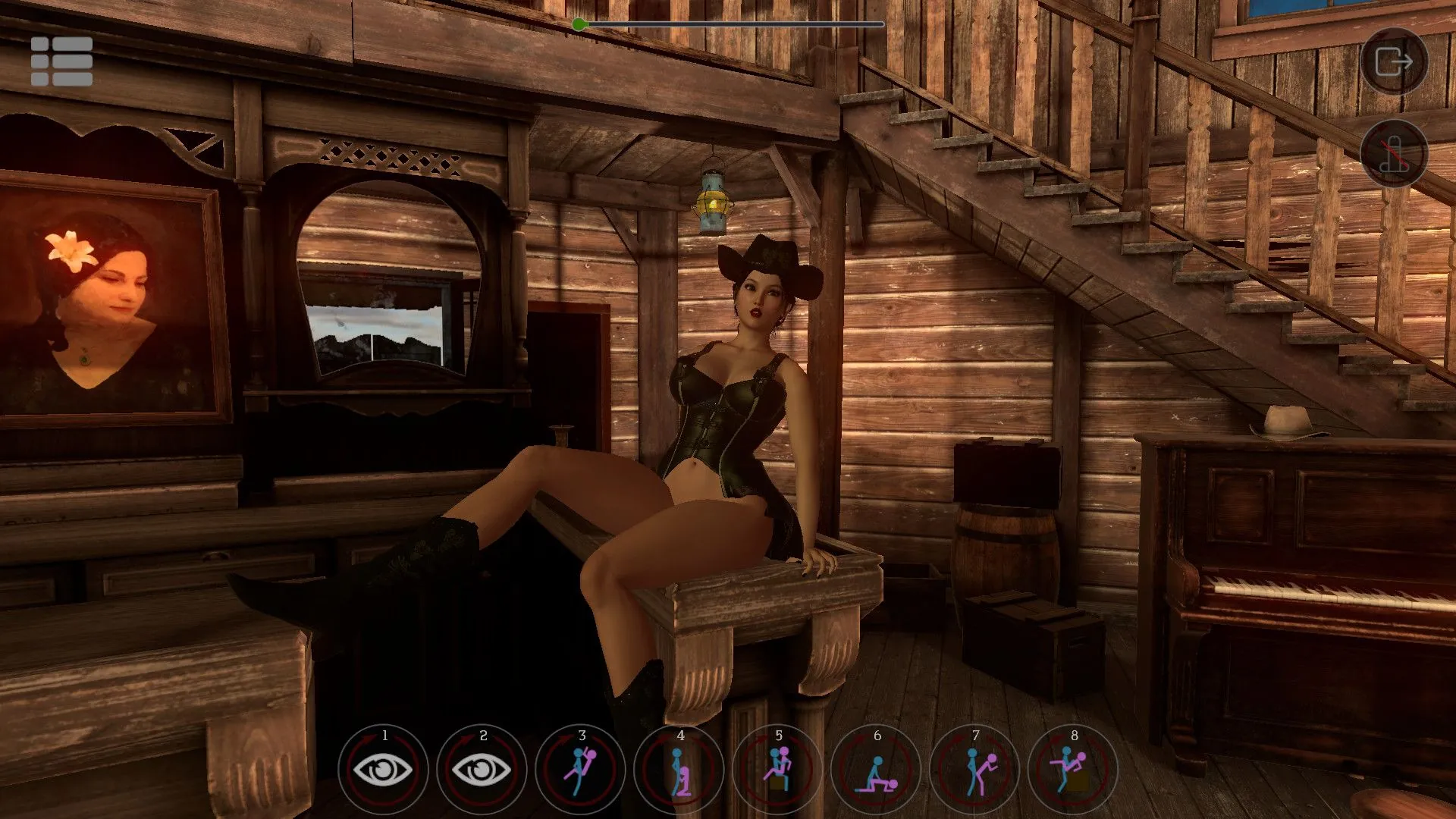
False Hero
Play False Hero
False Hero Screenshots


























False Hero review
Explore the choice-driven mechanics, corruption system, and player experience in this engaging interactive adventure
False Hero stands out in the interactive gaming landscape as a choice-driven experience that puts player agency at the forefront. This game features a sophisticated corruption-based system that fundamentally shapes how your story unfolds, offering a rich and engaging experience for players who enjoy narrative-heavy games with meaningful consequences. Whether you’re new to choice-based games or a seasoned player looking for your next adventure, False Hero delivers a unique blend of storytelling and player autonomy that keeps you invested in every decision you make.
Understanding False Hero’s Core Gameplay Mechanics
Diving into False Hero for the first time can feel equal parts thrilling and daunting. 🤯 You’re handed the reins of a character in a crumbling fantasy world, and every conversation, every action, seems to carry weight. But what really makes this choice-driven narrative game tick? It’s the deep, interwoven systems working silently under the hood, transforming your casual clicks into a personal legend—or a notorious infamy. In this guide, we’re pulling back the curtain on the interactive story game mechanics that make False Hero such a captivating experience, from the False Hero choice system that defines every moment to the corruption-based gameplay mechanics that will haunt your every decision.
What Makes False Hero’s Choice System Unique
At its heart, False Hero is a masterclass in player agency. But it’s not about having a million shallow options; it’s about having a dozen profoundly meaningful ones. The False Hero choice system is the game’s backbone, a branching narrative system that remembers everything. Forget binary good/evil sliders; this is about nuanced, often messy, human decisions where the “right” choice is never clear-cut.
I remember my first playthrough, sweating over a seemingly simple early dialogue with a starving villager. The “heroic” option was to give him my last few coins. The pragmatic one was to keep them for supplies. I chose the latter, telling myself it was for the greater good. Hours later, when that same villager, now desperate and radicalized, stood against me, the game didn’t flash a “You Are Evil” message. It just presented the consequences of a world where I chose to look the other way. That’s the magic. Your False Hero player decisions aren’t judged—they’re documented, and the world reacts accordingly.
Here are the key pillars that define this unique system:
* Consequence, Not Morality: Choices build a web of cause and effect, not a morality score. Helping one faction might mean betraying another, with both outcomes having valid narrative weight.
* The Butterfly Effect: Small, early decisions can unlock or lock away entire story arcs, characters, and locations much later. The game is littered with these narrative tripwires.
* Character Memory: Every named character has a relationship tracker influenced by your actions and words. They will remember your slights and your kindnesses, changing how they interact with you permanently.
* Situational Context: The options presented to you are filtered through your character’s current state, your reputation, and past choices. You won’t always have the “perfect” solution available, making each playthrough uniquely challenging.
Tip: Don’t try to “game” the system on your first run. Play authentically. The most rewarding False Hero stories come from embracing your mistakes and living with the fallout. 😌
This robust framework ensures the game feels less like a guided tour and more like a living world you’re actively sculpting. But your choices don’t just change the story; they change you. This is where the game’s most compelling layer kicks in.
The Corruption-Based Progression System Explained
If the choice system is the brain of False Hero, then the corruption-based gameplay mechanics are its dark, pounding heart. This isn’t a simple “dark side” meter; it’s a nuanced representation of your character’s soul fraying under the immense pressure of their quest. So, how does False Hero corruption work? Let’s break it down.
Mechanically, corruption is an invisible resource you accumulate. You don’t have a meter you can watch fill up. Instead, you feel its effects. It’s granted by specific, often tempting, choices: taking a cruel but efficient shortcut, using forbidden magic to solve a problem, or sacrificing an ally for a strategic advantage. The key is that these choices are almost always pragmatically useful in the short term. The game brilliantly makes corruption seductive.
What does corruption do? It operates on two levels:
- Narrative & Dialogue: As your corruption grows, new, more ruthless dialogue options and actions become available. Characters attuned to magic or those who are fearful may comment on a “chill” around you. Some companions will grow distant, while new, shadier figures might be drawn to your cause.
- Mechanical Benefits & Costs: Corruption can unlock powerful abilities or ensure a mission’s success with brutal efficiency. However, it can also lock you out of peaceful resolutions, cause certain checks to auto-fail (like pleas for mercy), and alter story outcomes toward darker conclusions.
Here’s a practical table showing how a single corrupt choice might ripple out:
| Your Choice | Immediate Corruption Gain | Short-Term Benefit | Potential Long-Term Consequence |
|---|---|---|---|
| Use a dark ritual to instantly decipher an ancient text. | Moderate | Immediate story progress; unlock a powerful spell. | A companion who values purity leaves the party; the text’s knowledge now carries a whispering, maddening influence. |
| Threaten a captive for information instead of persuading them. | Low | Guaranteed information faster; establishes you as fearsome. | That captive’s faction now views you as a tyrant, closing off diplomacy. Rumors of your brutality spread. |
| Seize a village’s resources to supply your army. | High | Your forces are well-equipped for the next major battle. | The village is left destitute and rebels. Later, you may face militias from that region, and other settlements will fortify against you. |
The genius of this system is that it’s rarely a simple “bad” choice. In a moment of desperation, that corrupt option might be the only thing that saves your party. The corruption-based gameplay mechanics force you to constantly weigh immediate survival against the integrity of your soul and the long-term stability of your relationships. It makes every victory potentially pyrrhic and every decision emotionally charged. 🩸
How Player Decisions Shape Your Story
This is where everything comes together. The False Hero choice system and the corruption-based gameplay mechanics are the tools, but your False Hero player decisions are the hands that carve the story. False Hero is less about reaching a predetermined ending and more about authoring your own unique tale within its world. The branching narrative system is so extensive that two players can have wildly different experiences.
The game achieves this through what I like to call “narrative debt.” Early choices aren’t just logged; they accrue interest. That minor character you aided? They might return with a crucial piece of intelligence when you’re at your lowest. The seemingly irrelevant lie you told to avoid embarrassment? It could unravel into a major scandal that destroys your credibility with a key ally.
Let’s walk through a concrete, spoiler-free example of how a single, early choice can branch your story:
The Scenario: In the first act, you encounter a wounded magical creature, a “Forest Wisp,” being hunted by pragmatic town guards who see it as a dangerous pest. You have a moment to intervene.
-
Choice A (Preserve): You convince the guards to stand down, using diplomacy or authority. You tend to the Wisp and let it go.
- Immediate Effect: Guards are annoyed; you gain a slight reputation for being “soft” or “weird.”
- Mid-Game Branch: Several hours later, when lost in a deadly, enchanted forest, the Wisp reappears to guide you safely, unlocking a hidden path and a peaceful resolution with the forest’s ancient guardian.
- Late-Game Ripple: The guardian, indebted to you, may provide crucial aid during the final conflict. Your reputation as someone who respects ancient pacts opens up diplomatic options with other non-human factions.
-
Choice B (Exploit): You side with the guards, helping capture or disperse the Wisp for a reward or to gain their trust.
- Immediate Effect: You gain resources and the guards’ immediate loyalty.
- Mid-Game Branch: In that same enchanted forest, you have no guide. You must fight your way through, taking losses. The forest guardian is immediately hostile, forcing a difficult combat encounter.
- Late-Game Ripple: The guards’ faction is stronger and more loyal to you, providing military might. However, all “old magic” factions are now deeply distrustful, closing off entire storylines and forcing you onto a more militaristic path.
-
Choice C (Corrupt): You secretly absorb the Wisp’s fading magic for yourself, a hidden, corrupt action.
- Immediate Effect: You gain a permanent, unique combat boost. The guards find a dead creature, and you play innocent.
- Mid-Game Branch: The forest feels your stolen power and reacts with extreme aggression. The guardian is not just hostile but personally vengeful, leading to the hardest version of that encounter. Your corruption is subtly noted by perceptive characters.
- Late-Game Ripple: The boost remains useful, but you may find “pure” sources of magic reject you. Your path is increasingly isolated, pushing you toward alliances with other corrupt entities. The story’s tone shifts to one of internal struggle and external condemnation.
This example shows the branching narrative system in action. It’s not about picking “good, neutral, or evil.” It’s about defining your character’s core principles: are you a preserver, a pragmatist, or a predator? The game then builds the world’s response around that definition.
This creates phenomenal replay value. 🎭 A second playthrough isn’t about seeing a few different cutscenes; it’s about exploring a parallel storyline where different factions thrive, different companions live or die, and the very thematic core of the narrative changes. You might go from a tragic tale of a hero corrupted by necessity to an uplifting story of unwavering compassion against all odds—all within the same game framework.
Ultimately, False Hero trusts you with an incredible amount of narrative power. Its mechanics aren’t there to restrict you, but to give weight and permanence to your will. Every click is a brushstroke on a canvas that only you will ever see in its complete, messy, glorious form. So step forward, make your choices, and watch in awe as the world bends and breaks to remember them.
False Hero represents a compelling entry in the choice-driven gaming genre, offering players a sophisticated experience built on meaningful decisions and a dynamic corruption system. The game’s strength lies in its commitment to player agency—every choice matters, and the consequences ripple throughout your journey. Whether you’re drawn to narrative-rich experiences, enjoy exploring multiple story paths, or appreciate games that reward different playstyles, False Hero delivers an engaging adventure that respects your choices and adapts to your decisions. If you’re considering diving into this game, prepare yourself for an experience where your actions genuinely shape the story you experience.