Short Sad Stories
Play Short Sad Stories
Short Sad Stories Screenshots
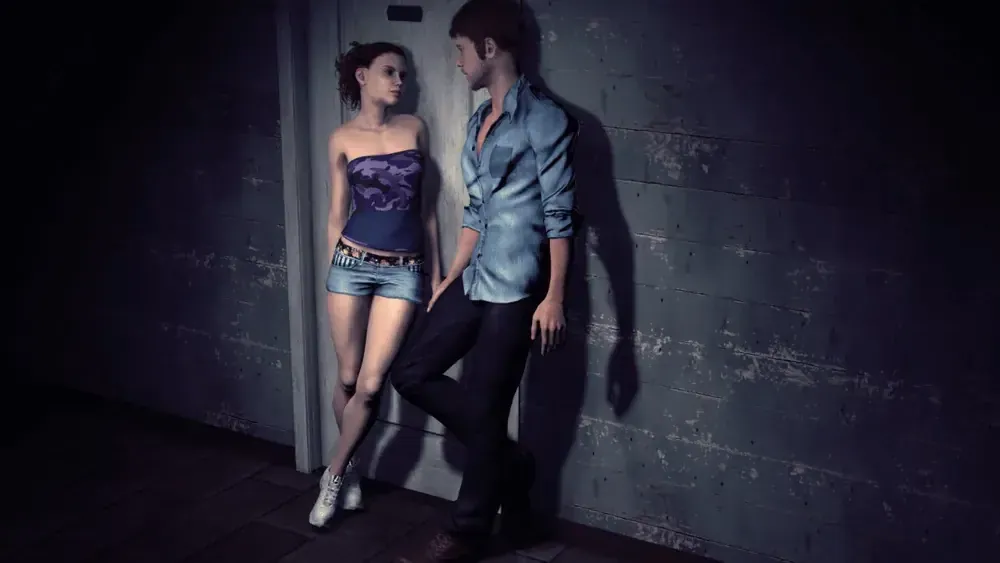
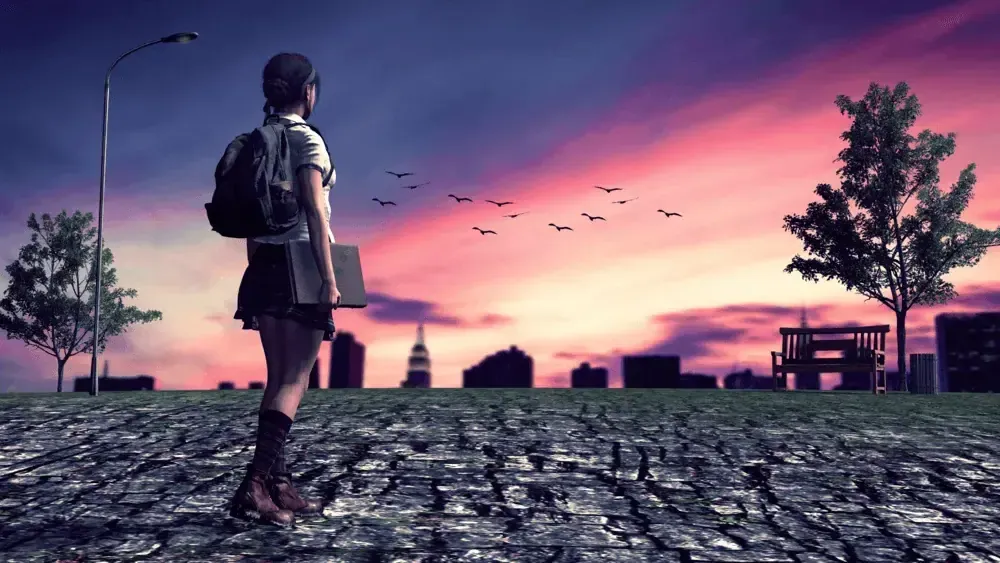

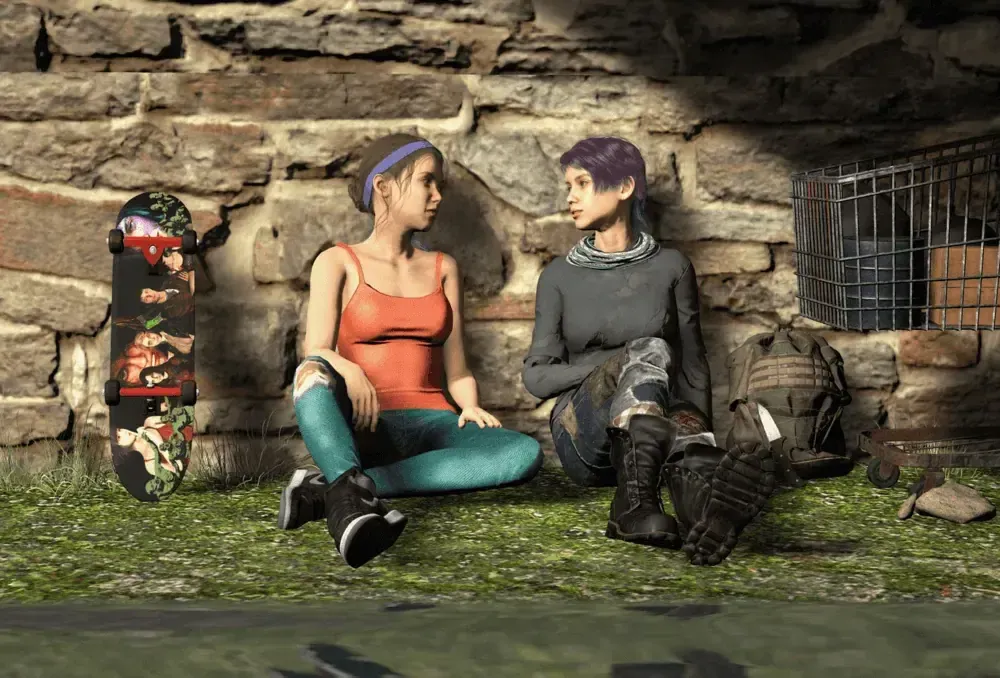

Short Sad Stories review
Dive into heartfelt narratives, player choices, and poignant gameplay
Imagine stepping into a world where every choice tugs at your heartstrings in Short Sad Stories, the visual novel that’s capturing players with its blend of reality and fantasy. I first stumbled upon this gem during a late-night gaming session, and its story of Alice—a dreamy girl navigating love, loss, and tough decisions—left me replaying chapters for hours. This guide breaks down the poignant plot, interactive elements, and why Short Sad Stories stands out in emotional gaming. Whether you’re here to play Short Sad Stories online or uncover its hidden depths, let’s explore what makes this narrative-driven experience so unforgettable.
What Makes Short Sad Stories So Captivating?
I still remember the first time I booted up Short Sad Stories late one evening, expecting just another narrative experience. An hour later, I was sitting in the quiet dark, completely still, just processing what I’d felt. 🎮😶 This wasn’t just a game; it was a direct line to a specific, poignant kind of melancholy that felt strangely beautiful. What is it about this particular short sad stories visual novel that digs so deep, leaving a lasting imprint long after you close the app?
At its core, the magic lies in its masterful blend of a relatable, dream-chasing protagonist and the profound weight of your own player choices. It’s a journey that feels intimately personal, where every decision whispers a consequence, and every ending feels earned, not random. Let’s dive into what makes this experience so uniquely captivating.
Who Is Alice and Her Journey Between Worlds? 🐇🎭
The heart of this entire experience is Alice, our aspiring writer protagonist. When we talk about Alice short sad stories, we’re talking about her specific, deeply human conflict. She isn’t a superhero or a chosen one; she’s a young adult in a bustling, often overwhelming city, clinging to her dreams of storytelling while reality keeps handing her bills, doubts, and dreary day jobs.
Her “Wonderland” isn’t a literal rabbit hole—it’s the vibrant, chaotic world of her own imagination and the creative life she yearns for. The “real world” is the pressure of rent, the expectations of family, and the quiet loneliness of a crowded apartment. This constant push-and-pull is something so many of us understand. The game’s brilliance is in how it visualizes this tension. One moment you’re choosing dialogue for Alice at a draining office meeting, and the next, you’re guiding her through a symbolic, dreamlike landscape representing her writer’s block or her fears.
Her relationships are beautifully complicated. There’s the pragmatic best friend who worries Alice is setting herself up for heartbreak, the enigmatic love interest who might be a kindred spirit or another distraction, and the family members whose well-meaning advice feels like anchors. Playing this short sad stories game means navigating these connections, deciding when to be vulnerable, when to retreat into fantasy, and when to fight for the real world you’re trying to build.
How Player Choices Shape Heartbreaking Outcomes? ⚖️🌿
This is where Short Sad Stories transforms from a story you read into a story you live. The player choices in this short sad stories experience are deceptively simple. They often appear as quiet, everyday decisions: Do you stay late to work on your novel, or go to a friend’s party? Do you share your vulnerable writing, or keep it hidden? Do you confront a friend about their distancing behavior, or let it slide to avoid conflict?
There’s no obvious “good” or “evil” path. Instead, each choice subtly shifts Alice’s emotional state, her relationships, and ultimately, the trajectory of her life. The branching pathways aren’t about finding a “win” state; they’re about exploring different facets of maturity, hope, and the way we cope with misfortune.
I dedicated three playthroughs to unravel its secrets, and each one was a revelation. In my first, overwhelmed by the city’s pressure, I had Alice consistently choose escape into her fantasies. The result was a poignant, yet devastating ending where her real life atrophied. She became a ghost in her own world, lost in a beautiful but isolating dream. It was a powerful lesson on the cost of perpetual retreat.
My second run was a conscious effort towards “handling reality.” I made Alice prioritize her job, mend fences, and be practical. This led to an ending of quiet stability… tinged with a deep, unspoken regret for the artistic spark that had been carefully, responsibly smothered. The game doesn’t judge you, but the emotional resonance of your short sad stories endings certainly does.
‘I’ve played three times, each revealing new layers—heartbreaking but earned.’
Finally, in a third playthrough, I sought balance. I chose moments of brave vulnerability alongside disciplined work. This path was the hardest, full of setbacks and tough conversations, but it led to the ending that felt most transformative—not perfectly happy, but whole. Alice reconciled with her past choices, found a sustainable way to nurture her creativity, and moved forward with hard-won hope. It felt like a true personal victory.
To help visualize how these choices cascade, here’s a look at how prioritizing different relationships can shape your journey:
| Character You Prioritize | Key Theme Explored | Potential Ending Type |
|---|---|---|
| The Pragmatic Best Friend (Maya) | Grounded Reality vs. Dreams | Stable, but potentially regretful; learning practical resilience. |
| The Creative Love Interest (Leo) | Passionate Inspiration & Shared Fantasy | Intensely emotional, risk of co-dependency or beautiful mutual creation. |
| Alice’s Own Inner World (Her Writing) | Self-Isolation & Artistic Obsession | Profoundly lonely or a legacy of great, solitary art. |
| Family Expectations | Duty, Guilt, and Defining Self-Worth | Resolution of past wounds, or succumbing to the weight of obligation. |
Why This Visual Novel Hits Different Emotionally? 💔🎨
The emotional impact of Short Sad Stories doesn’t come from shock value or gratuitous tragedy. It arises from stunningly authentic empathy. The game constructs its sadness brick by emotional brick, using themes we’ve all brushed up against:
- Loss 🍂: Not just of people, but of time, potential, and versions of yourself you thought you’d become. The game masterfully conveys the quiet grief of paths not taken.
- Regret 😔: Those lingering “what if” thoughts are given space to breathe. Your choices make you feel the weight of alternate lives, making every decision feel significant.
- Loneliness 🌃: Even surrounded by others, the game captures the specific loneliness of feeling misunderstood in your ambitions or trapped in your own anxieties.
This emotional precision is why the short sad stories visual novel format is its perfect home. The combination of focused writing, evocative music, and subtle visual cues creates a condensed, potent emotional capsule. You can experience a complete, devastating, and cathartic narrative arc in a single sitting—a feat few other mediums can achieve so effectively.
So, if you’re ready to step into Alice’s shoes, here’s my actionable advice: Don’t try to “game” the system for a happy ending on your first try. 🎯 Instead, be honest. Choose what you are instinctively drawn to. Let your own personality guide Alice. That first, authentic playthrough will be the most powerful. Then, go back. Prioritize a different character, embrace a different coping mechanism, and see how the story’s fabric changes.
Because Short Sad Stories is more than a list of short sad stories endings to collect. It’s a mirror and a toolkit for emotional exploration. It reminds us that sadness has layers, that resilience comes in many forms, and that our choices, big and small, are the ink with which we write our own ongoing stories. It’s not just a game—it’s a journey of personal transformation, waiting for you to press start.
Short Sad Stories isn’t just a visual novel—it’s an emotional rollercoaster that lingers long after the credits roll, thanks to Alice’s journey, meaningful choices, and themes of hope amid hardship. From my own replays, I’ve seen how each decision crafts a unique path to maturity and understanding. If you’re craving a game that blends interactivity with deep feels, dive into Short Sad Stories today. Grab the final version with DLC, make those tough calls, and let it change how you see storytelling. What’s your first choice going to be? Play now and share your ending in the comments—I’d love to hear your story.