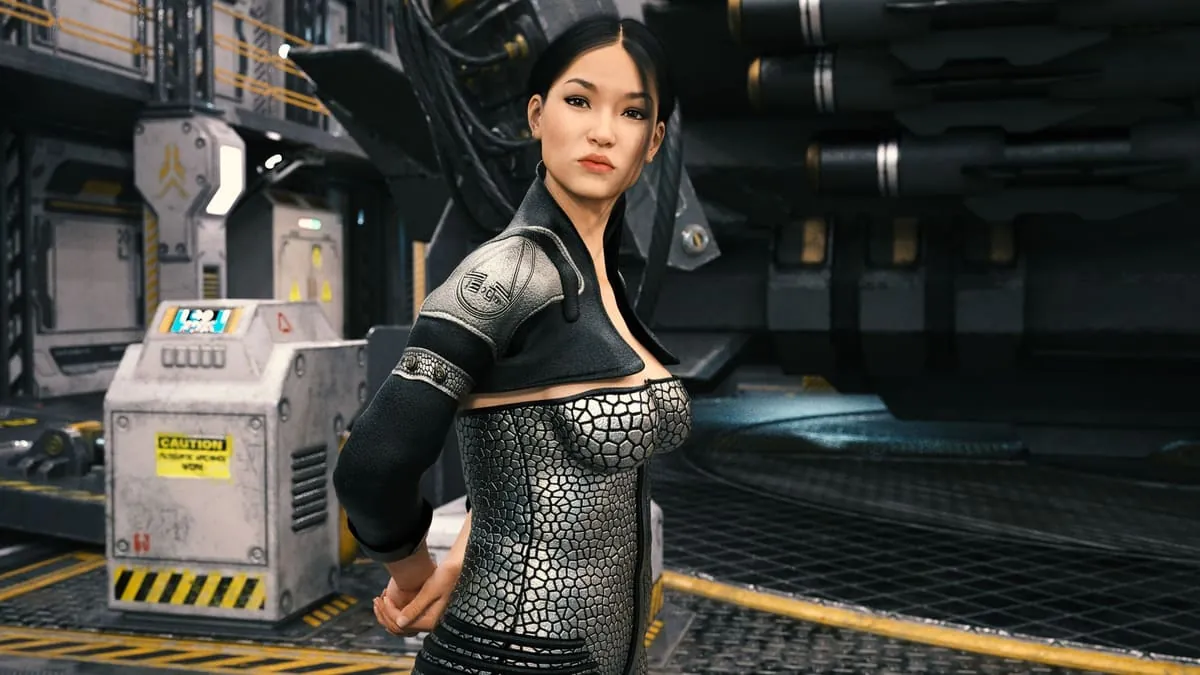
Play Treasure of Nadia
Treasure of Nadia Screenshots


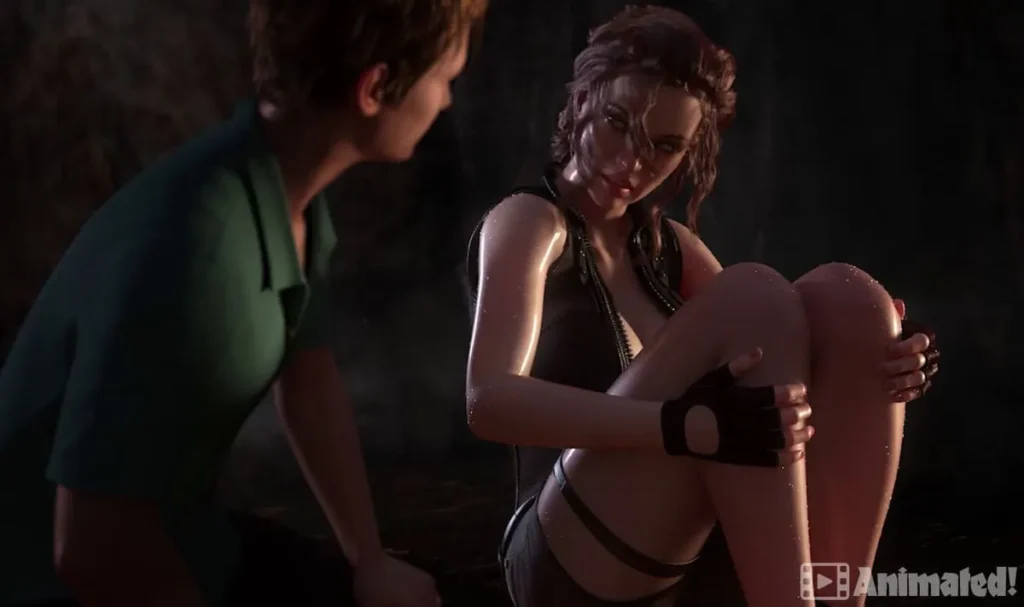

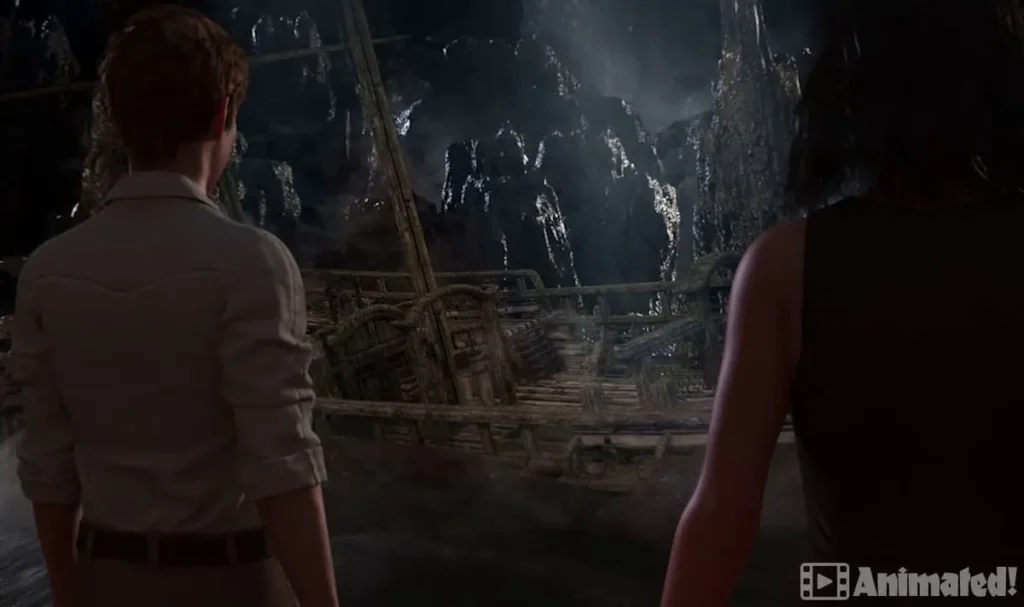

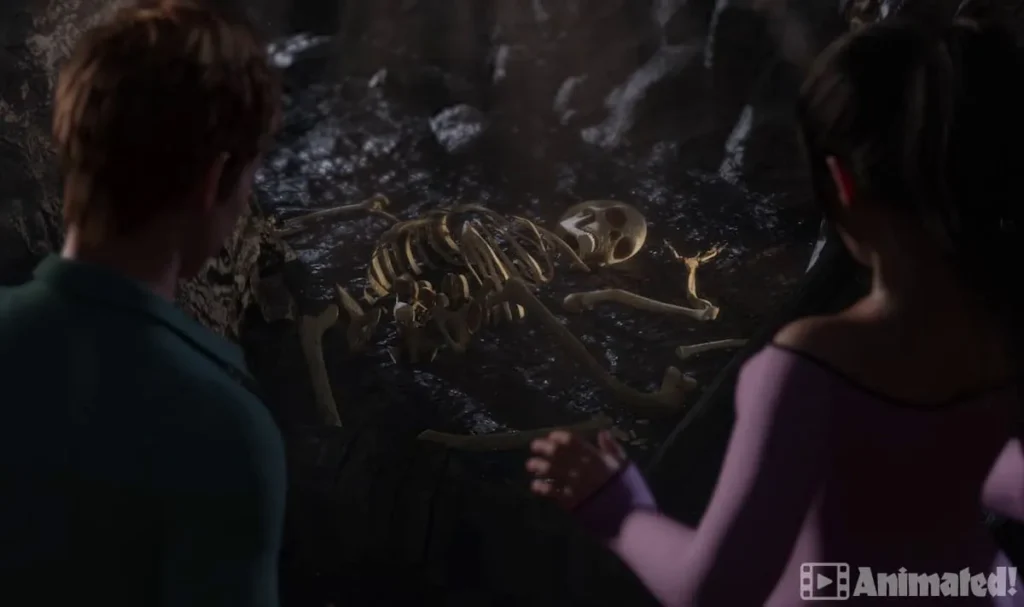


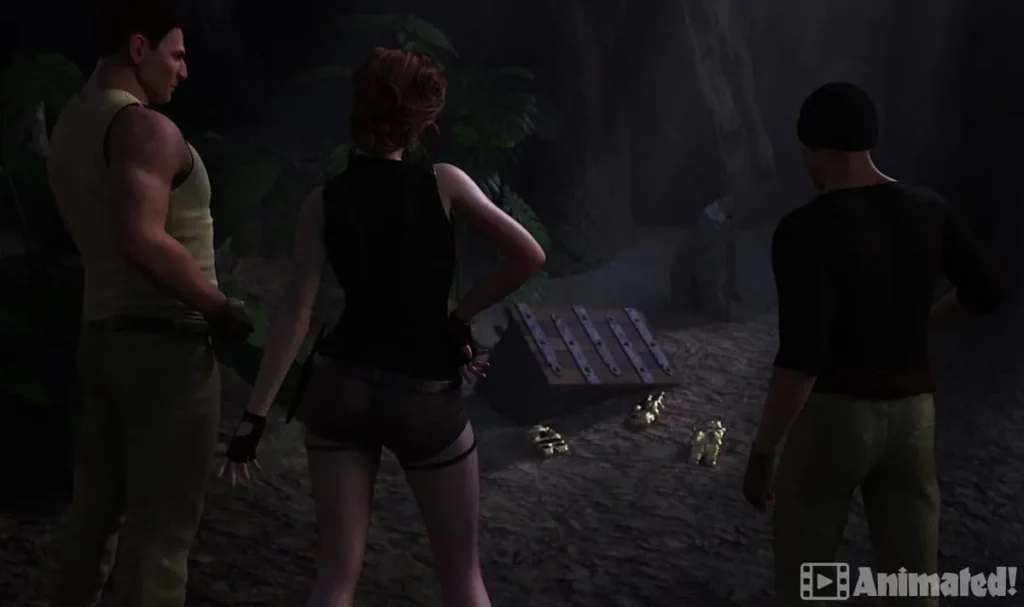








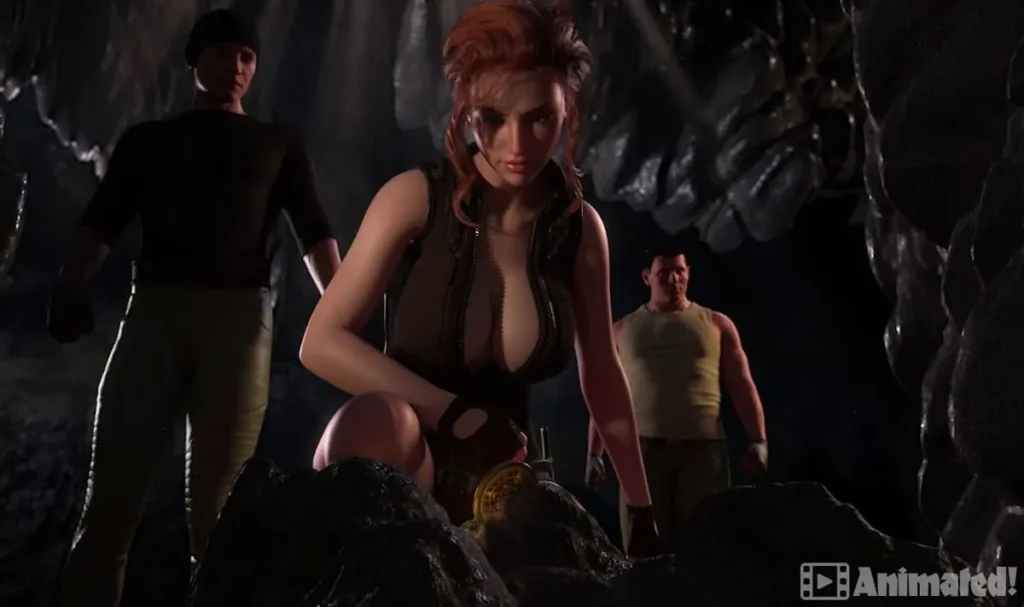
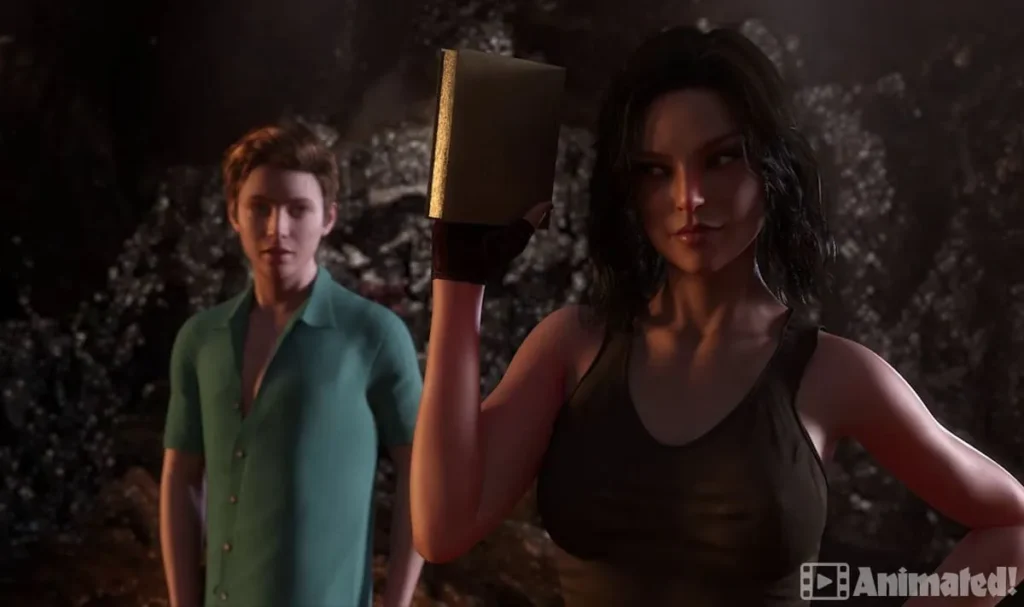
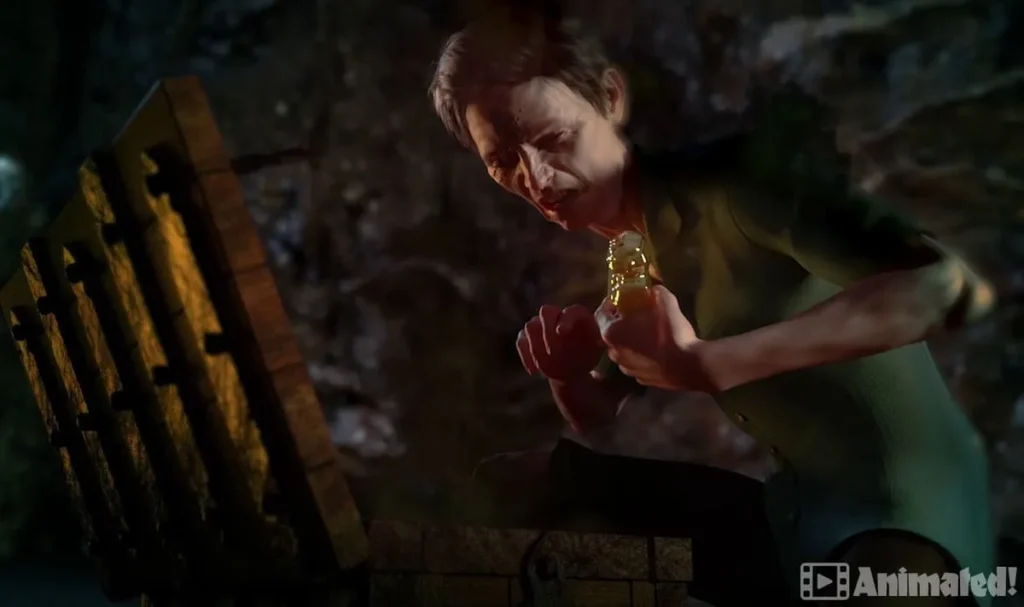




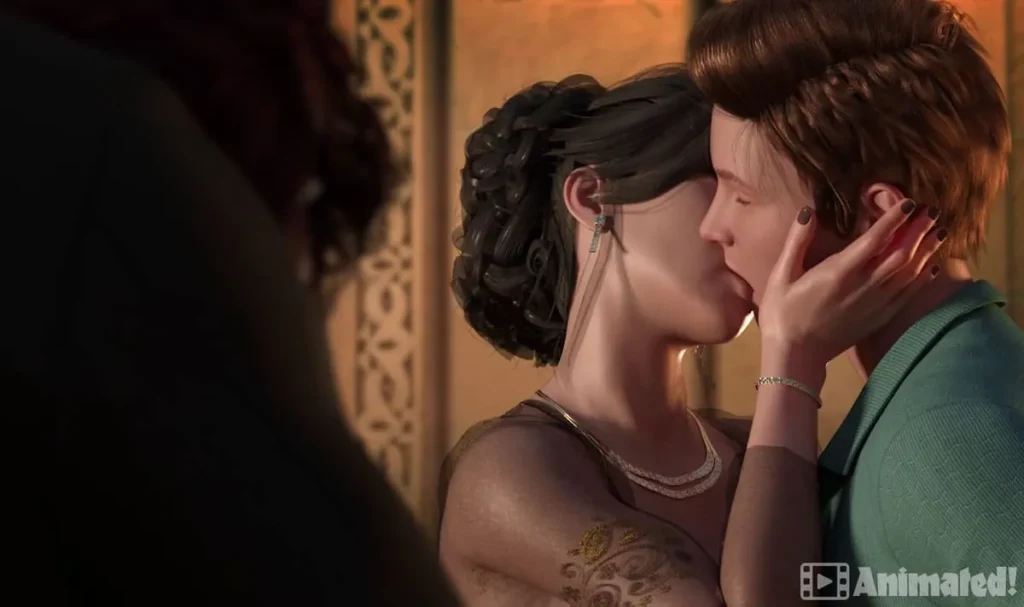
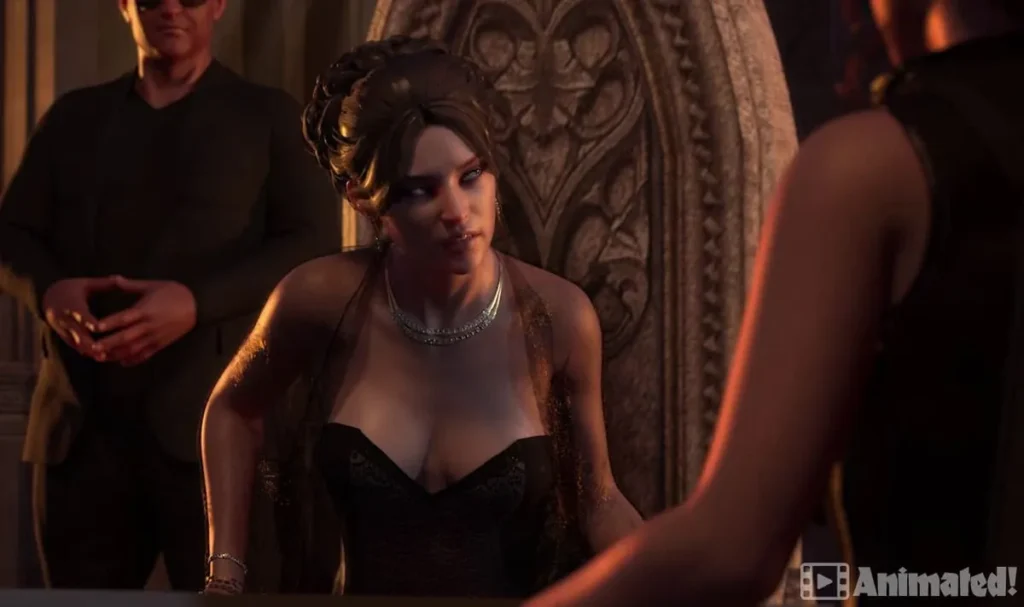




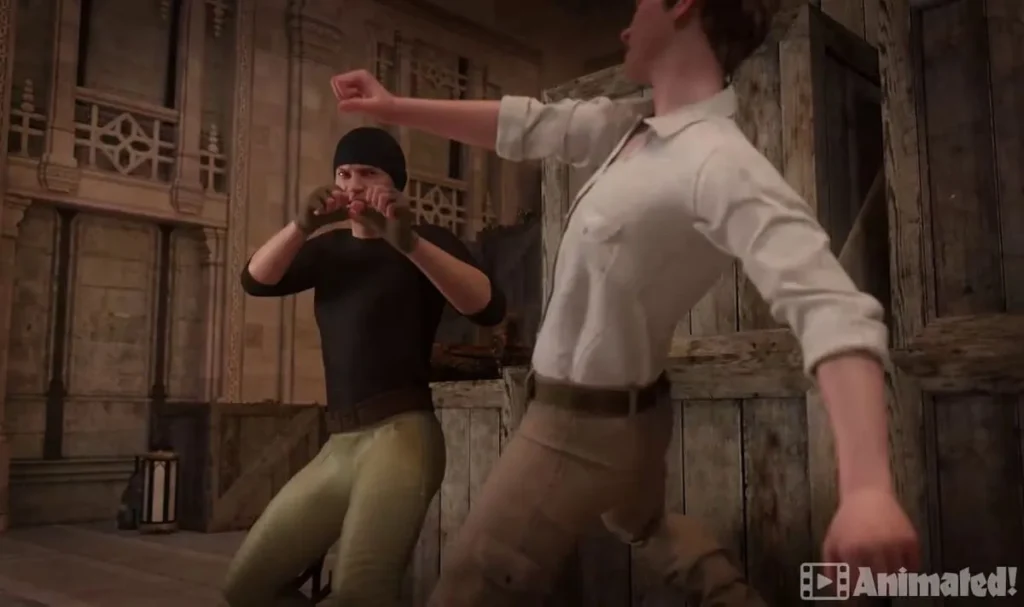



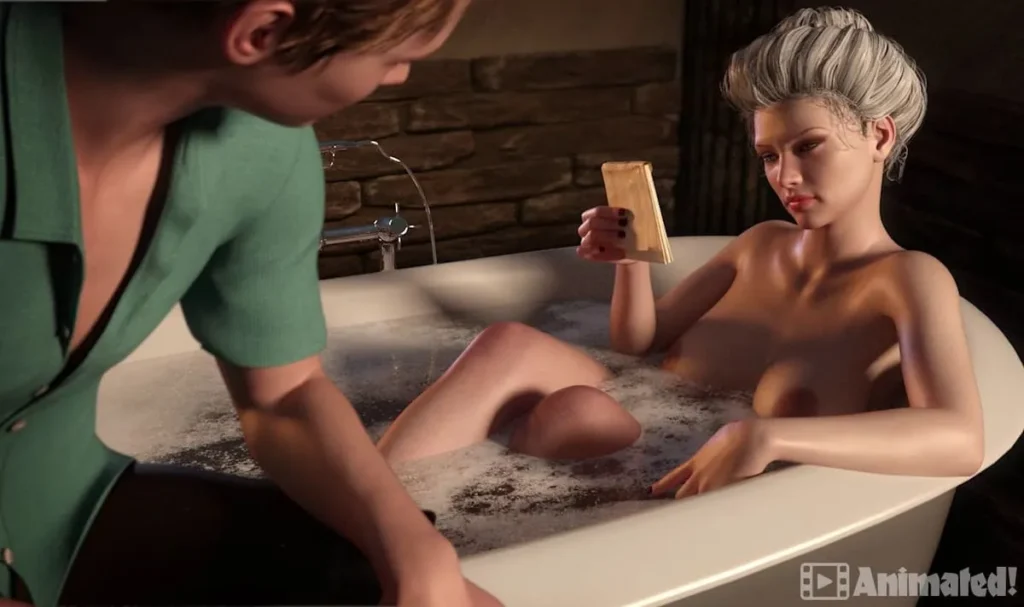

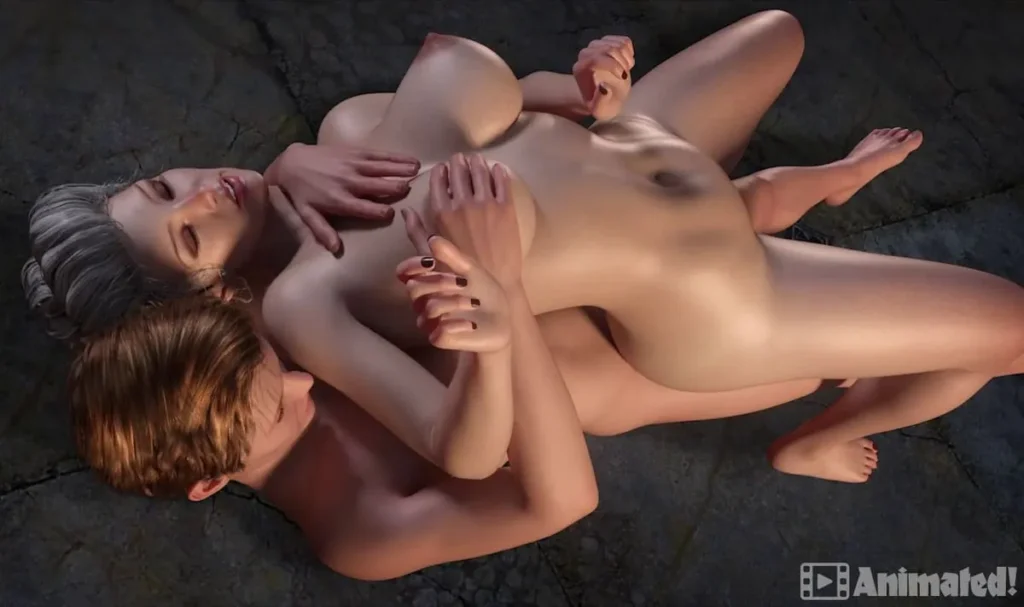


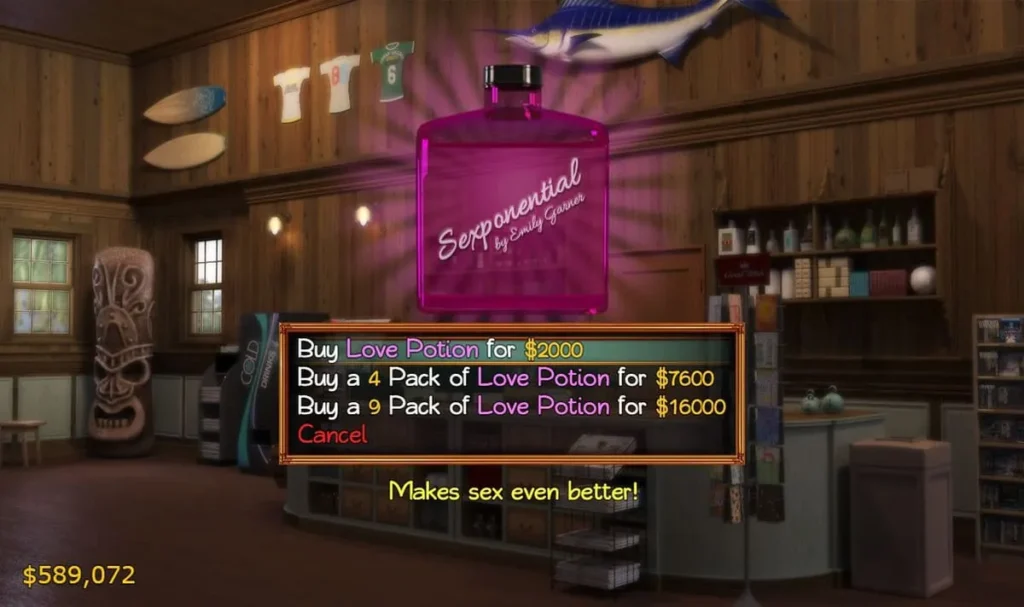

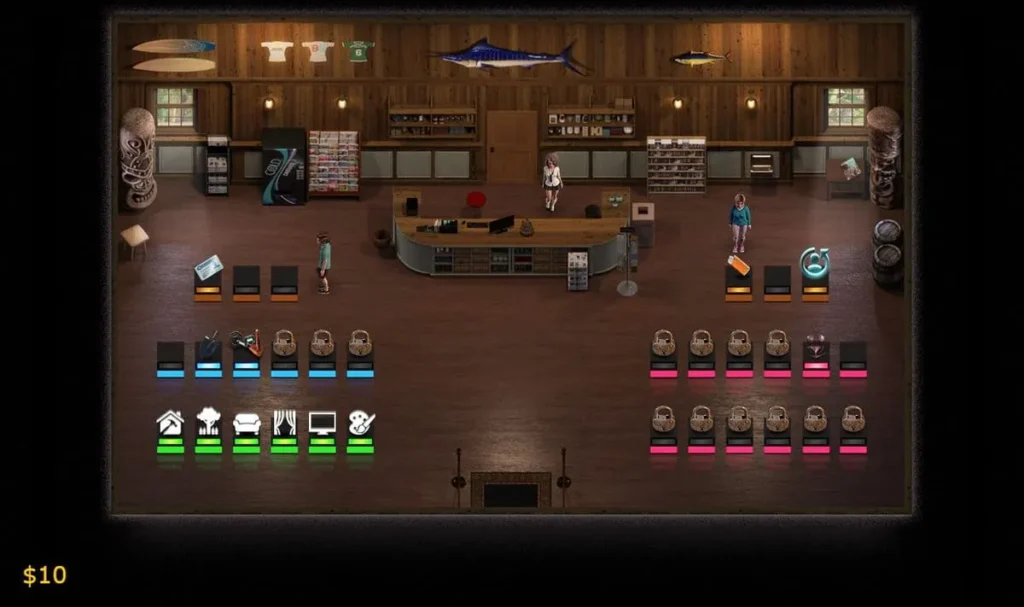

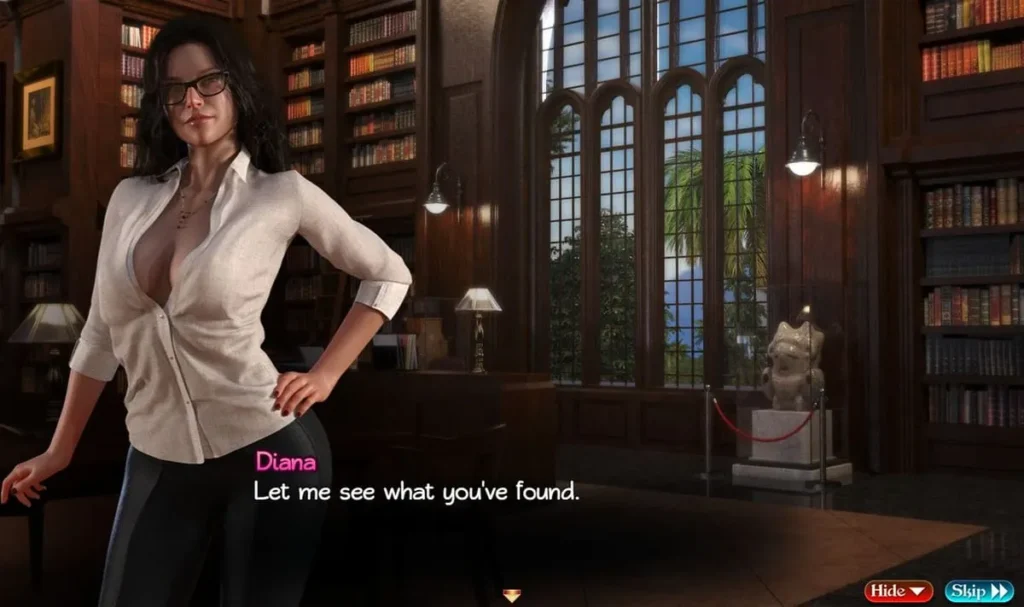



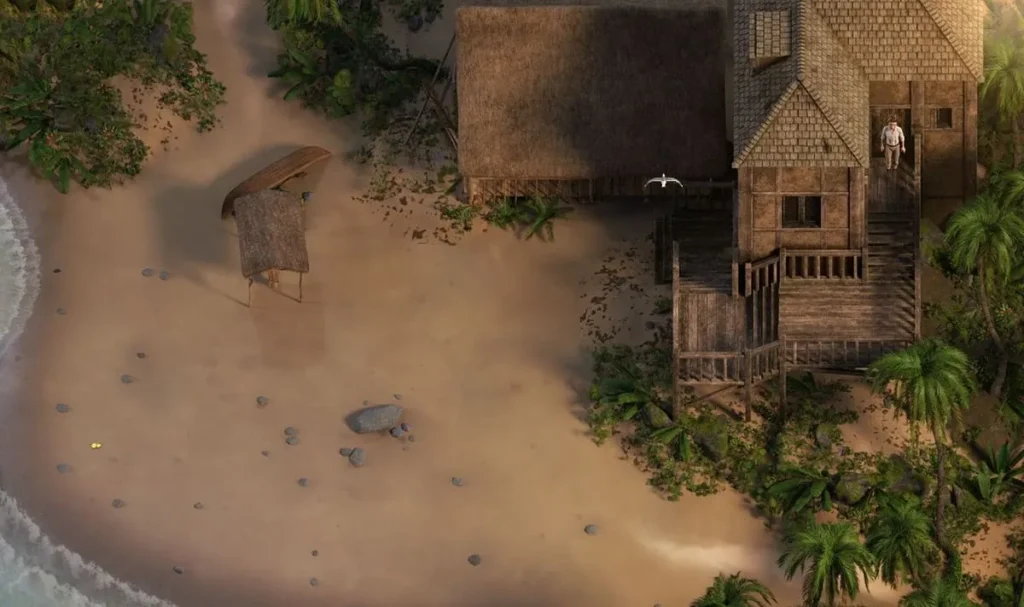

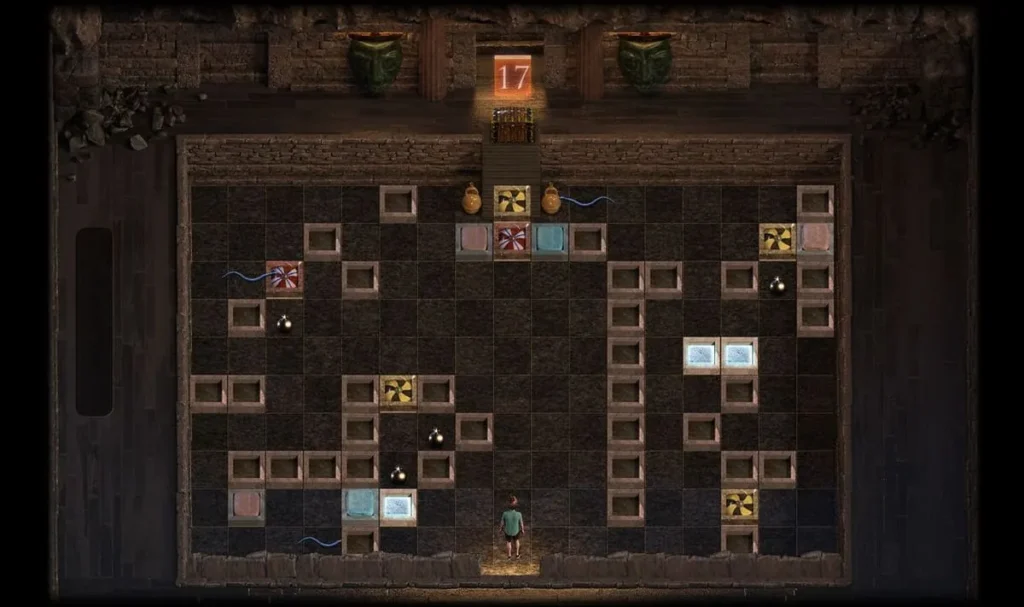
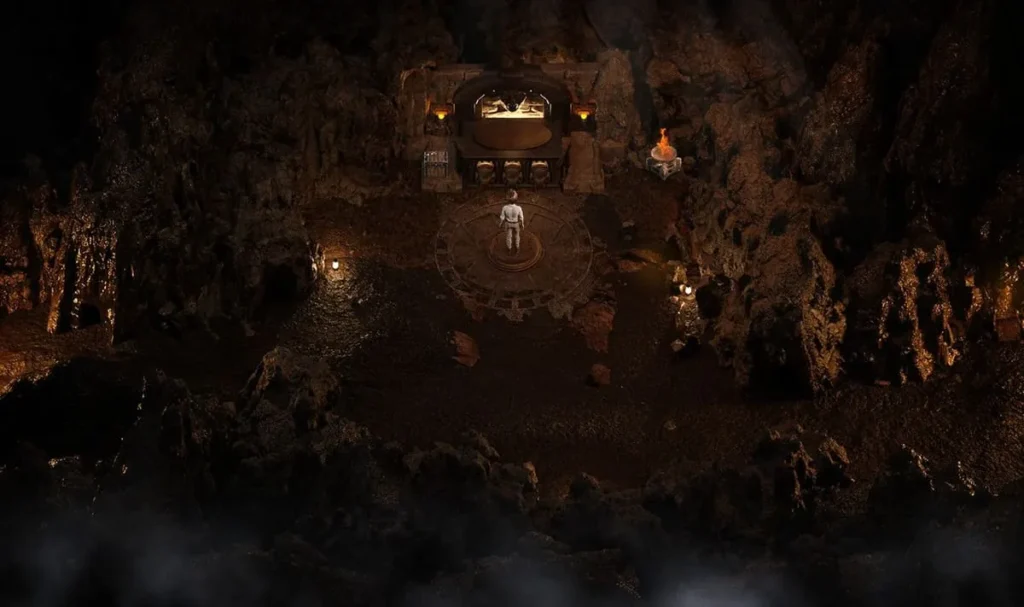
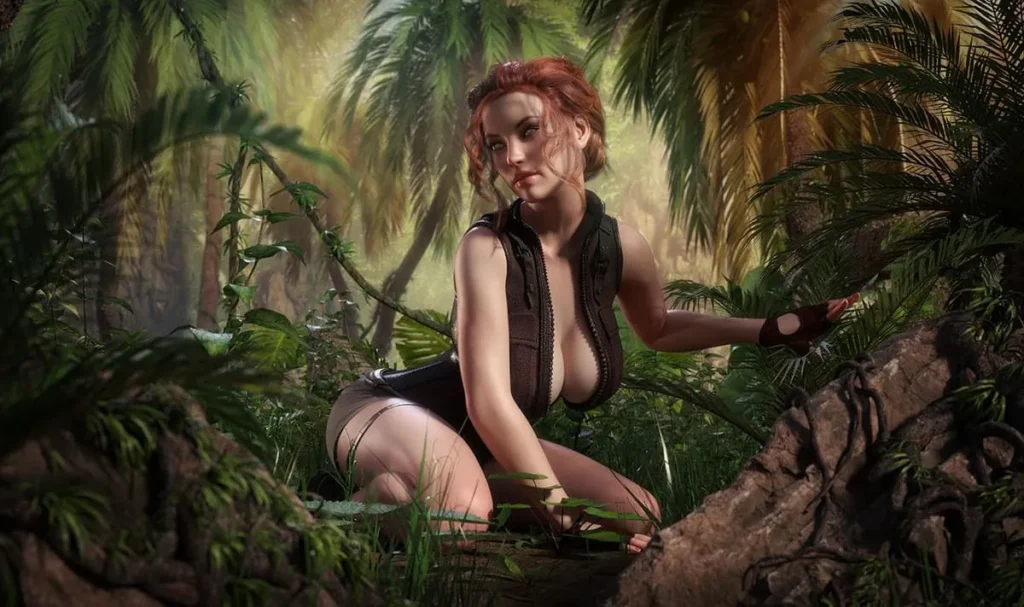
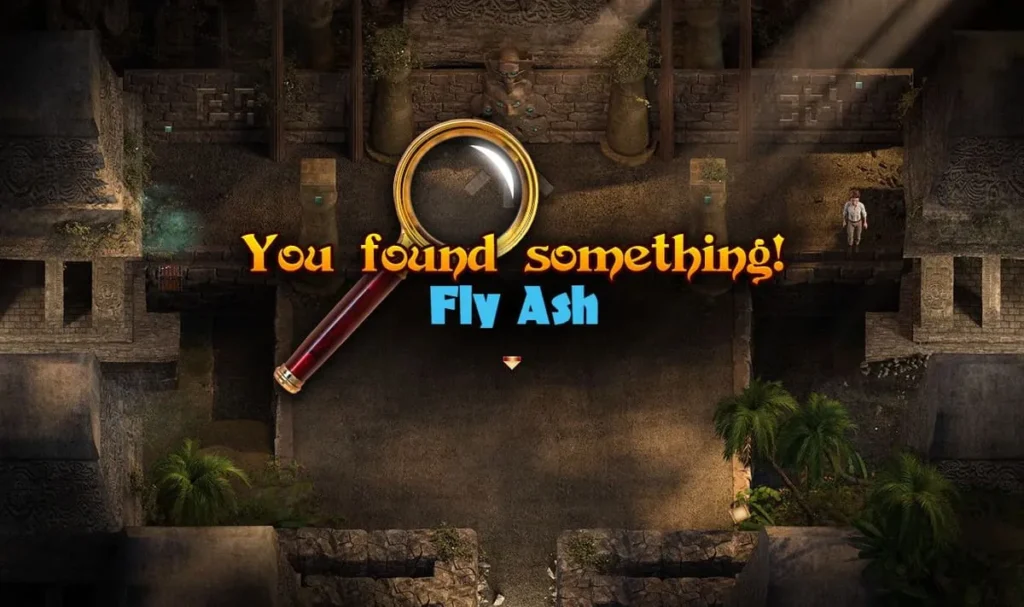
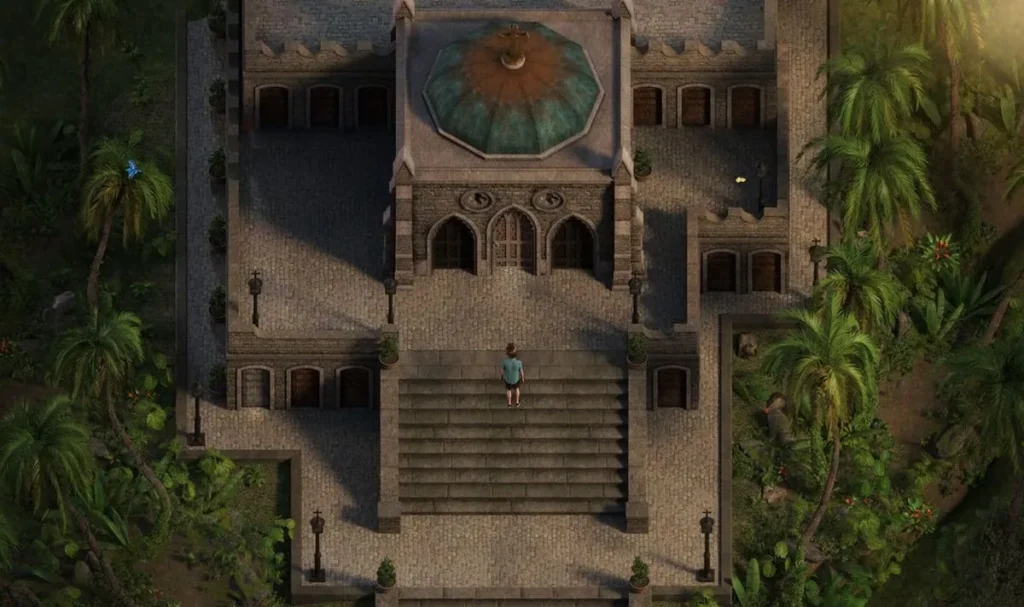
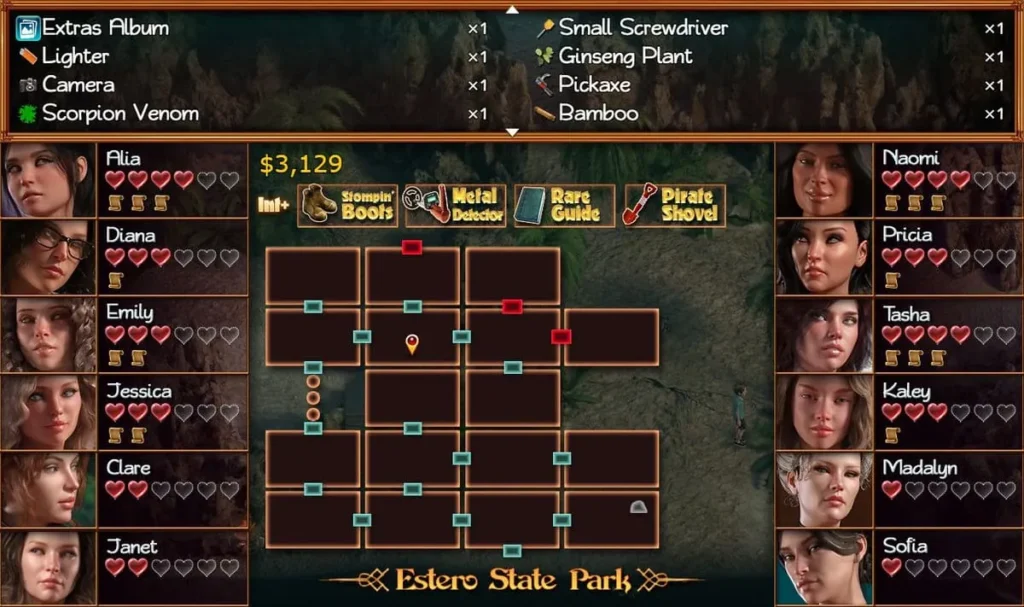
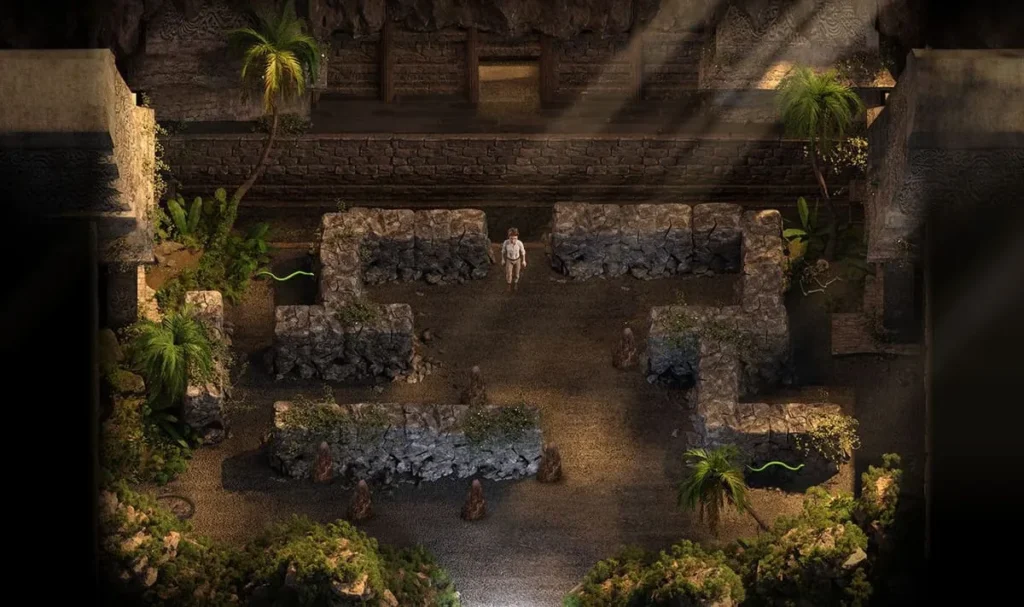
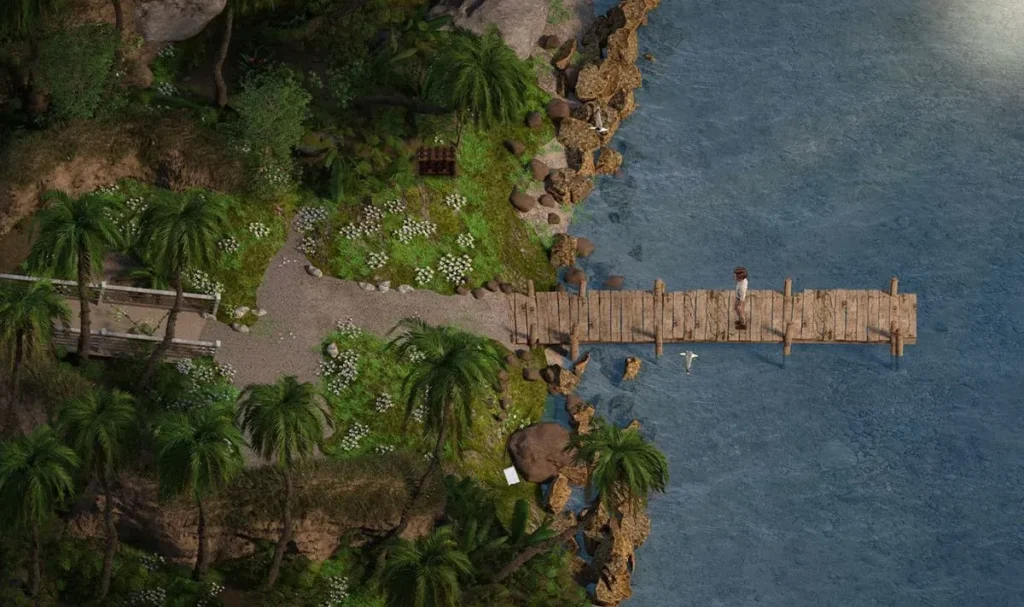
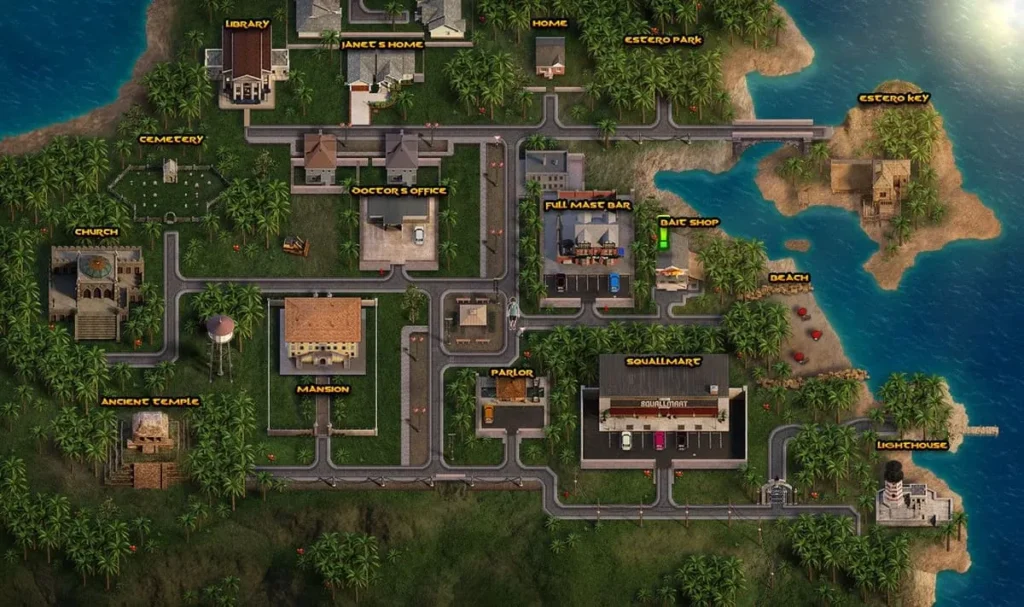
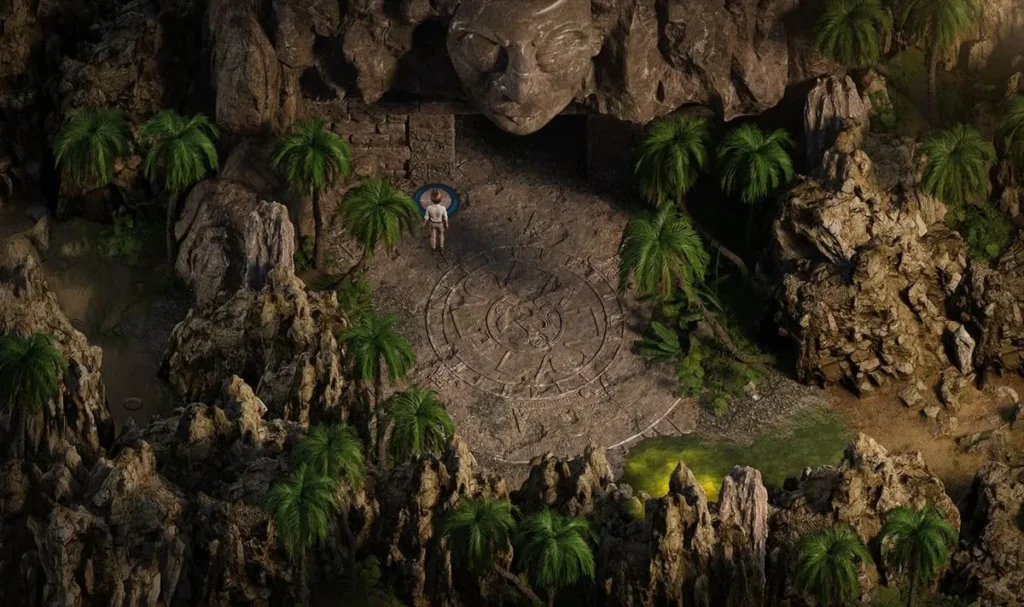
Treasure of Nadia review
Explore Island Secrets, Puzzles, and Thrilling Encounters
Imagine stumbling upon a map leading to untold riches on a mysterious island—that’s the hook of Treasure of Nadia, the gripping adult adventure game that blends Indiana Jones-style exploration with steamy character interactions. I first dove into this title during a late-night gaming session, and it hooked me with its mix of puzzle-solving, crafting, and branching storylines. Following your father’s footsteps, you uncover treasures while building relationships that unlock new paths. This guide breaks down everything from core mechanics to replay tips, helping you maximize every playthrough in this 30-50 hour epic.
What Makes Treasure of Nadia an Addictive Adventure?
Remember that first moment you truly got lost in a game? Not just confused by a tough level, but utterly absorbed in its world? For me, it was in Treasure of Nadia, standing knee-deep in a river, staring at a seemingly random cluster of rocks. My journal was full of cryptic clues, my pack was heavy with odd trinkets, and I had that glorious, itchy feeling that the answer was right there. I wasn’t just playing a game; I was unraveling a mystery. 🗺️ That’s the secret sauce of this adventure. It doesn’t just hand you a map and a goal; it throws you onto a lush, enigmatic island and says, “Figure it out.” The Treasure of Nadia gameplay loop is a masterclass in blending discovery, brain-teasers, and character-driven stories into one incredibly sticky package. You don’t just complete it; you live it for a solid 30-50 hours, and often, you immediately want to start over. Let’s break down why.
How Exploration and Puzzles Drive the Core Gameplay
At its heart, how to play Treasure of Nadia is a simple, beautiful cycle: see something interesting, get stuck, explore for a solution, have a “Eureka!” moment, and be rewarded with progress, story, and new areas to see. The island isn’t just a static backdrop; it’s the main character. Every path, ruin, and dense thicket holds potential.
My breakthrough moment came with the Golden Statue puzzle early on. I had the statue, I knew it was key, but the where and how eluded me. I poured over the in-game journal, re-read notes from characters, and finally noticed a specific altar mentioned in a conversation with a local historian. I hadn’t just been listening to flavor text; I’d been given a vital clue. This is where Treasure of Nadia exploration shines. You’re not running to a quest marker. You’re actively piecing together environmental hints, dialogue snippets, and inventory items. Finding a shortcut by helping a character clear a landslide, or accessing a hidden cave by combining a rope from one area with a hook from another, makes you feel genuinely clever. 🔍
The Treasure of Nadia puzzles are perfectly woven into this fabric. They’re rarely arbitrary “match-three” distractions. Instead, they are environmental riddles, inventory-based logic problems, and sequence challenges that feel organic to the treasure-hunting fantasy. One puzzle had me tracking specific animal sounds at different times of day to find a hidden grove. Another required offering specific crafted items to ancient altars in the correct order. The satisfaction isn’t just in solving it; it’s in realizing how the island’s history and logic work.
The game brilliantly ties exploration to character relationships. Need to get past that guarded plantation entrance? Building trust with the right person might get you a key, or a distraction. This makes every conversation meaningful and turns the Treasure of Nadia gameplay into a web of interconnected actions, not a linear checklist.
Unpacking the Crafting System and Island Mysteries
If exploration is your eyes and puzzles are your brain, then crafting is your hands. This is where the island’s secrets literally come together in your inventory. You’ll be collecting everything from common seashells and rare gems to mystical herbs and ancient manuscript pages. At first, it seems like simple hoarding, but soon you’ll see the patterns and the profound utility of the Treasure of Nadia crafting system.
Think of your crafting menu as your ultimate problem-solving toolkit. That weird glowing fungus you found deep in a bat cave? Combine it with some purified water to make a potion that lets you see hidden runes on a wall. Those sturdy vines and strong wood? They become a bridge to cross a ravine and reach a new temple. The system directly gates your progress in the most satisfying way possible. You’re not stopped by an artificial “level” requirement; you’re stopped because you haven’t found the right parts yet, sending you back into the world with renewed purpose.
The genius is in how it integrates with quests and story. A character might reminisce about a lost family locket. Later, you might find a broken locket and a specific gem in separate, far-flung locations. Crafting them together and returning the item doesn’t just complete a task; it unlocks significant character backstory and new avenues for interaction. It makes every collectible feel potentially momentous.
To help you navigate this, here’s a quick guide to some essential crafting goals:
| Crafted Item | Key Ingredients | Primary Use |
|---|---|---|
| Forest Bridge | Strong Rope, Sturdy Wood | Access the Deep Jungle regions |
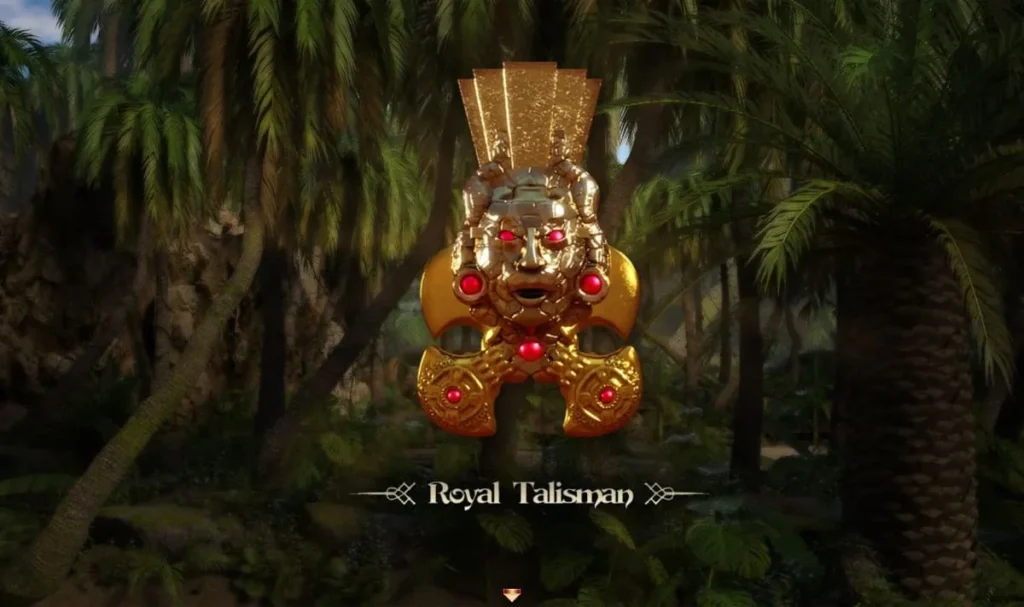
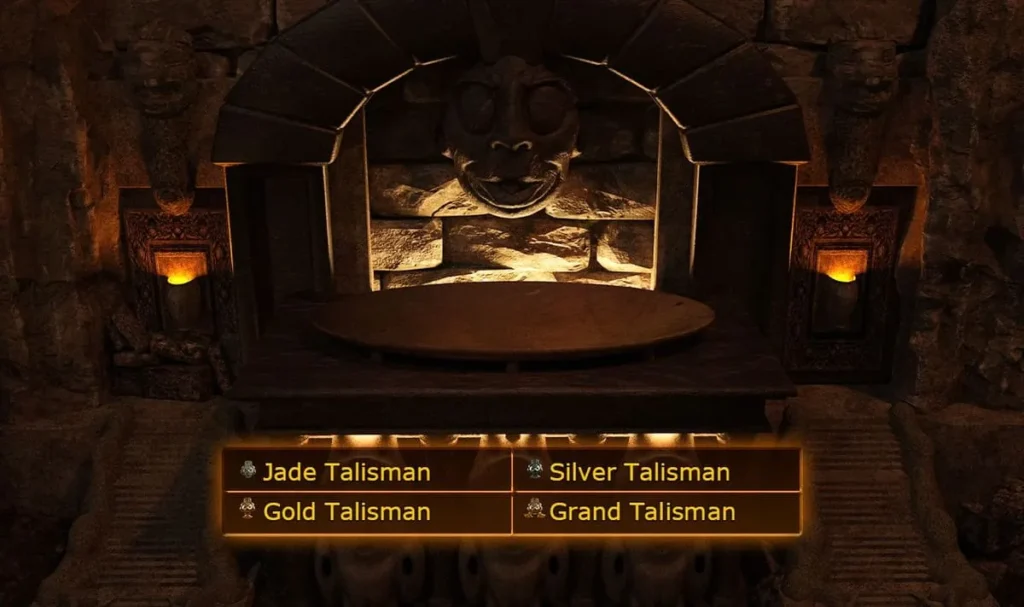
| Ancient Talisman | Gold Idol, Sapphire, Silver Wire | Solve temple door mechanisms |
| Herbal Antidote | Blue Orchid, Clean Water | Heal poisoned characters to progress their quests |
| Diving Bell | Glass Orbs, Thick Leather, Bronze Fittings | Explore underwater wreckage sites |
This deep integration means the mid-game, which could feel like a grind in other titles, instead becomes a compelling scavenger hunt. You’re always working towards a tangible goal that changes the world or reveals its lore. And for fans of the developer’s previous work, Lust Epidemic, keep your eyes peeled—thoughtful cameos and connected lore are hidden in plain sight, rewarding long-time followers with knowing smiles. 😉
“I’ve played many story-driven games, but the way Treasure of Nadia blends its high-quality visual renders with actual RPG mechanics is stunning. The scenes feel earned, like a natural part of the adventure, not a separate thing. It’s a complete package.” – A seasoned player’s review.
Why Branching Storylines Keep You Coming Back
This is where Treasure of Nadia ascends from a great adventure to a memorable one. Your choices carry real, often permanent, weight. The Treasure of Nadia storylines are not about good or evil endings, but about personal journeys, relationships, and discovering different facets of the island’s truth. A decision to share a discovered artifact with one character over another can lock you out of an entire region until much later, or alter how a pivotal confrontation plays out.
I learned this the hard way. In my first playthrough, I was focused purely on the treasure. I brushed off side characters when they seemed emotional or distracting. Big mistake. By the late game, I was missing crucial tools and allies, and the final path to the treasure felt hollow and lonely. The second time, I engaged. I listened. I helped with personal problems. The island opened up in ways I didn’t know existed, and the ending had a profoundly different, more satisfying emotional payoff. This is the core of Treasure of Nadia replayability. You’re not replaying to see a slightly different cutscene; you’re embarking on a genuinely new narrative path with different allies, unlocked areas, and altered outcomes.
Maximizing these branching paths is key to the full experience. Here’s my hard-earned, actionable advice for character and story progression:
* Talk to everyone. Twice. Dialogue options often update after key events. That second conversation can unlock a new quest or gift hint.
* Use your journal relentlessly. It’s not just for lore. It actively tracks clues, recipe hints, and character wishes. Cross-reference it constantly.
* Gift strategically. Pay attention to what characters say they like. A well-chosen gift can skyrocket trust, opening exclusive scenes and critical assistance.
* Save before every significant decision. And use multiple save slots. You’ll thank yourself when you want to explore a different branch without a 20-hour rewind.
* Embrace the “grind.” The search for crafting materials is where you’ll stumble upon unmarked side stories and character moments that flesh out the world.
This structure ensures that the substantial time investment feels rich and personal. The Treasure of Nadia gameplay respects your intelligence and rewards your curiosity. It stands out in its genre by offering a complete, polished adventure first, where every element—the stunning visuals, the exploration, the crafting, and the mature themes—serves the story and the sense of discovery.
So, what makes it an addictive adventure? It’s the perfect storm. The thrill of Treasure of Nadia exploration and the satisfaction of solving its clever puzzles. The tangible progress of its deep crafting system. And, above all, the pull of its branching storylines, which promise that your next playthrough could reveal an island, and a treasure, entirely different from the one you found before. It’s not just a game you finish; it’s a world you learn, and that learning itself is the real reward. 🏆
Diving into Treasure of Nadia transformed my gaming nights into epic quests filled with discovery, challenges, and memorable encounters. From mastering puzzles and crafting to navigating branching paths and deepening relationships, this game delivers depth that keeps you hooked across multiple playthroughs. My biggest takeaway? Embrace the choices—they shape your unique adventure. Ready to claim your treasure? Download it now, grab that journal, and start exploring the island today. Your legendary journey awaits!